
Big Daddy vs Endless Summer Hydrangea: Which Should You Plant?
Most people choose between these two shrubs by the photo on a plant tag, and by August they regret it. The gap that decides it is about two feet. Endless Summer stands at roughly 4 feet tall, while Big Daddy Hydrangea runs toward the top of the 3 to 6 foot range for bigleaf hydrangeas.
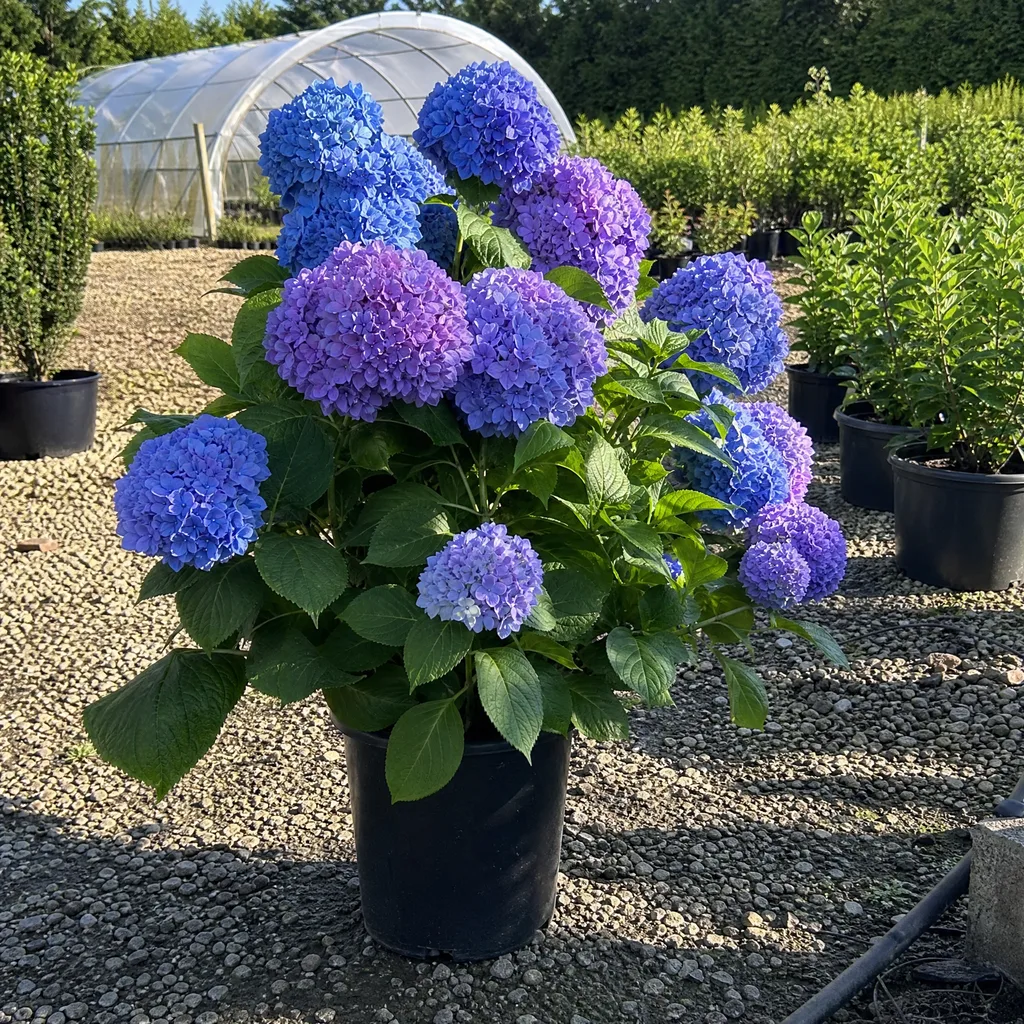
That is why we treat the choice as four small decisions, made in a set order: rebloom, room, winter and pruning. Each one narrows the field, and by the fourth you usually already know the answer.
Below, you'll find out all about how to choose between Big Daddy and Endless Summer, including how each one spends its flowers, how much space each takes, which one risks its buds in a cold snap, and which one forgives a pair of pruners.
Decide First Whether You Want Rebloom
This first fork is about timing, and it is the one people skip. Both shrubs are bigleaf hydrangeas, but they spend their flowers differently, and no amount of good care changes that.
Big Daddy is a reblooming mophead. NC State describes the species as blooming in late spring and summer on the previous year's growth, with flowers mostly produced in June and July. The buds form the summer before and ride the stems all winter. When they open, the heads are big and heavy, and for a few weeks the shrub is the loudest thing in the yard. It then reblooms on new growth through the rest of summer and into fall.
Endless Summer is built for the long run. It has dome-shaped clusters, pale pink to pale blue and edged with white, that keep arriving from summer into autumn because the plant flowers on both old and new wood. The color is softer and the heads read as more modest next to a Big Daddy mophead.
What we tell customers is to be honest about what rebloom delivers. Reblooming cultivars bloom again later in the summer on new growth, and the word that matters is "later." Expect the second wave to fill in the gaps rather than repeat the first spectacle. A shrub that is always in bloom is also a shrub that is never quite at its peak.
Your call: if you would trade a few weeks of drama for flowers that keep turning up until fall, Endless Summer leads. If you want the biggest heads you can grow and you accept one main season, Big Daddy stays in the running.
How Much Room Big Daddy Hydrangea Gets
The second decision is plain geometry. Before you fall for either bloom, measure the spot where it will live.
NC State puts the species at 3 to 6 feet tall and wide at maturity, and says it grows rapidly into a multi-stemmed shrub with a rounded habit. Big Daddy sits toward the upper end of that range. In our rows it fills out to about 5 to 6 feet in a good site, and the width keeps pace with the height, so plan for a circle, not a column.
Endless Summer is the more modest plant. It is a deciduous shrub to about 4 feet, with broadly oval, toothed green leaves. That extra foot or two matters more than it sounds, because it decides whether the shrub fits under a window, beside a walk or against a porch rail without a yearly argument with the pruners.
Light is the same for both. Bigleaf hydrangeas do best in part shade and need protection from afternoon sun. A tight spot in hot western exposure punishes either plant, so size and light have to work together. Our guide to Big Daddy's mature size goes into spacing in more detail.
Shrinking a Big Daddy to fit is a losing game, because the cuts that control size also remove the flowers. You buy the footprint you plan for.
Your call: if you can give Big Daddy a circle roughly 5 to 6 feet across, the answer is yes. If you cannot, Endless Summer is the honest choice, and it will look better in that space than a cramped Big Daddy would.
Check Your Winter Before Trusting Any Buds
Hardiness on a tag describes the plant. It says very little about the flower buds, and with these two shrubs the buds are the whole point.
Virginia Tech lists bigleaf hydrangea at zones 6 to 9. That is the number we use for Big Daddy. Within it, the risk is a hard freeze in midwinter or a late spring frost after the buds have swelled. The stems survive and leaf out, and the shrub sits there green and flowerless.
Endless Summer carries a bigger hardiness claim. It is touted as zone 4 hardy. University of New Hampshire Extension adds the catch: harsh winters there often kill the flower buds of the series anyway. The roots and stems live, and the old-wood buds do not.
The real advantage of Endless Summer in a cold yard is the fallback. Minnesota Extension notes it also blooms on new wood that grows this year, so a winter that wipes out the buds still leaves it some flowers later in the season. Big Daddy also reblooms on new growth after its June to July flush on old wood, but it is a less dependable fallback, which is why our winter care guide matters if you are near the cold edge.
Your call: in zones 6 and warmer with no frost pocket, Big Daddy is a sound bet. Colder than that, or in a low spot where spring frosts settle, choose Endless Summer for the fallback, and check your last frost dates with your local extension service.
Pruning Habits Settle Big Daddy Hydrangea's Case
The fourth fork is about you, not the plant. Be honest about what you do with pruners in October.
One of the most common questions we get is whether it is safe to cut hydrangeas back in fall. For Big Daddy, it is not. Big Daddy is a reblooming mophead that blooms on old wood in June to July and then reblooms on new growth through the rest of summer and into fall. Virginia Tech says plants that flower on old wood should be pruned as soon as flowering is finished, and UNH puts it bluntly: pruning last year's growth removes next season's flower buds. A tidy-up in November or March costs you the show.
That leaves a short window for Big Daddy after the heads fade, and otherwise very little to do. Remove dead stems once leaves emerge in spring, and cut spent flowers just above a healthy pair of buds. Our guide on when and how to prune Big Daddy walks through it step by step.
Endless Summer is forgiving here. University of Minnesota Extension says the original cultivar blooms on last year's wood and on new wood, so it flowers whether or not you prune it. A gardener who hacks everything to the ground each year, or hires someone who does, will get flowers from it anyway.
Common advice says to prune every shrub in late winter for vigor. For a reblooming mophead that flowers on old wood and again on new growth, we skip it entirely.
Your call: if you can keep your hands off in fall and winter, Big Daddy works. If your yard gets cut back on a schedule you do not control, Endless Summer is the safer plant.
Does Big Daddy Hydrangea Earn the Extra Work?
Now the four answers go on one page. The cost of Big Daddy is less labor than restraint, and the payoff is the flower.
| Decision | Points to Big Daddy | Points to Endless Summer |
|---|---|---|
| Rebloom | You want one big early flush | You want blooms into autumn |
| Room | You have a 5 to 6 foot circle | You have closer to 4 feet |
| Winter | Zones 6 and warmer, no frost pocket | Colder, or frost-prone in spring |
| Pruning | You leave the pruners alone | You cut back whatever grows |
The work Big Daddy asks for is small. It needs part shade with protection from afternoon sun, steady moisture, and no fall pruning. None of that takes time, but all of it takes attention, and a missed season of any of them costs you flowers.
What you get back is the larger head. Big Daddy's flowers are the main event in June and July, and the plant is bred around that moment. Endless Summer trades some of that size for a longer calendar and a more flexible plant, and in the wrong yard it is the one that actually blooms.
Final choice: Big Daddy for anyone in zone 6 or warmer who has room and a light hand. Endless Summer for cold yards, small spaces, or gardeners who prune on a schedule they will not change. If three of the four rows above point one way, buy that one and stop deliberating.
Where to Buy and What to Plant Beside Big Daddy Hydrangea
If neither of these feels right, our Big Daddy and Nikko Blue comparison covers a third option. Otherwise, here is how to buy and what goes next to it.
What to Check Before You Buy
Most mistakes happen at the plant tag, not in the ground.
Confirm the exact cultivar name on the label, because a generic "blue hydrangea" could be anything, and the two plants here behave differently. Look for firm green stems and healthy leaves. Our buying guide lists what to look for in more detail.
Companions That Suit Either Plant
Both shrubs like the same neighbors, because they like the same light.
Hostas and ferns handle part shade and cover the bare ankles of a bigleaf hydrangea in summer. Something that blooms in the weeks after Big Daddy's June flush picks up the color when the heads fade. Bigleaf hydrangea is susceptible to deer damage, so if deer visit your yard, plan fencing or repellents before you plant, not after.
Give either shrub the room we described and it will outgrow the companions around it before long. Set companions well back from the hydrangea's drip line so neither is crowded as it fills in.
Which Hydrangea Goes in the Ground
Rebloom, room, winter and pruning are four small questions with one big answer. For most yards in zones 6 to 9 with space and patience, Big Daddy gives the bigger payoff. For small spaces, cold spring frosts or heavy-handed pruning, Endless Summer is the better plant. Write down which of the four decisions you lost sleep over, and buy the plant that decision points to.
Big Daddy Hydrangea
Nursery-grown Big Daddy Hydrangea in sizes from 3 Gallon, shipped to your door.
From $65.85
Shop Now →On our farms, Big Daddy stands in open rows with space on every side and goes through each winter with its stems left uncut, so what we say here comes from growing top-quality shrubs ourselves and watching them through every season.