Big Daddy Hydrangea Buying Guide: What to Look for
A common mistake with Big Daddy is choosing the plant by the bloom color you see in the pot. That color came from the grower's soil, not yours, and it can shift within a season or two once the plant settles in. Judge the structure and health of the plant instead, and you get a shrub that fills out quickly and flowers into summer.
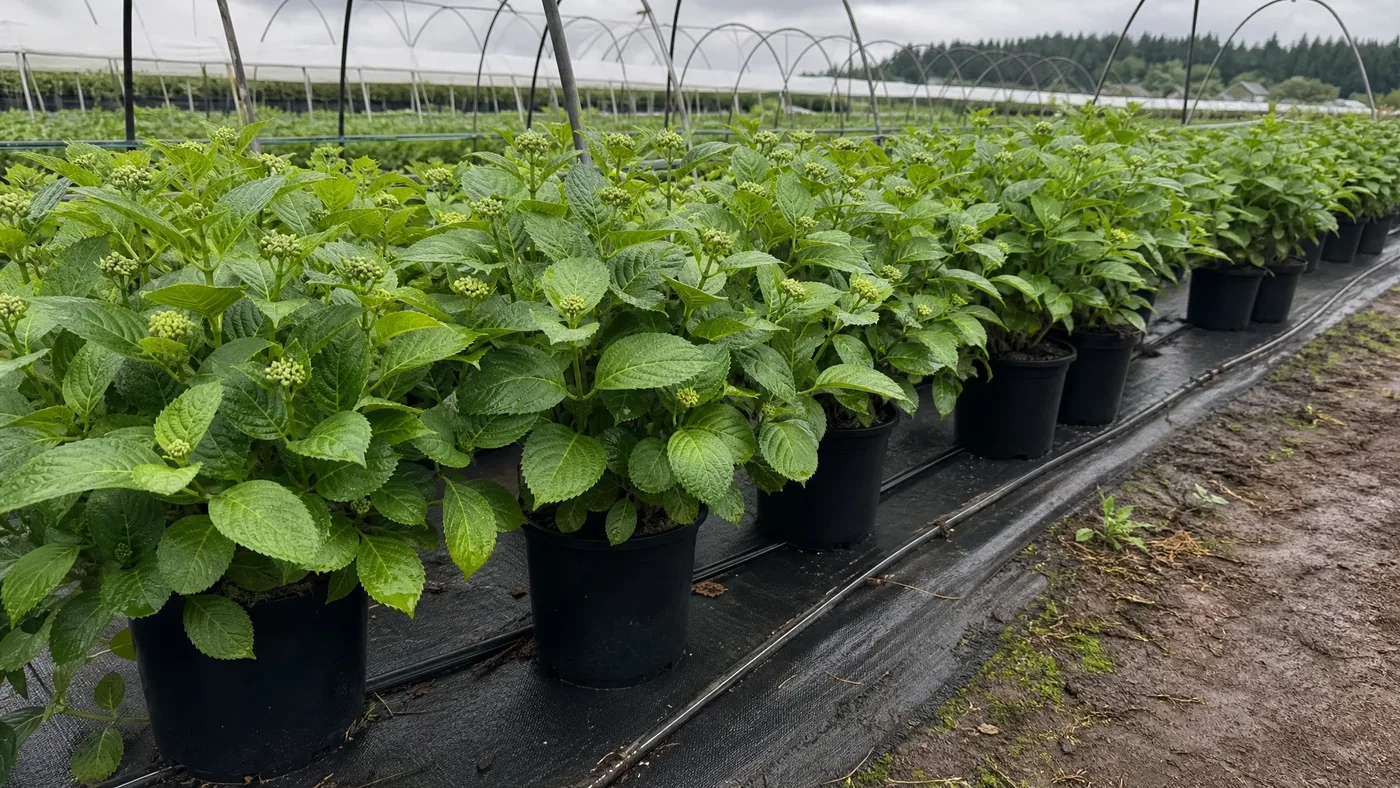
A weak plant bought for one pretty flower head tends to sulk for a year. A sound one catches up fast. Read on for the quick decision on size, what to expect when a box arrives, how to judge buds and color, the red flags we pull from our own rows, and where to buy.
Which Big Daddy Hydrangea to Buy
If you only want the short answer, here it is. Most people should buy a #1 container, and the rest of this guide explains why and when to choose differently.
A #1 container plant represents the best value for most home gardeners. It's mature enough to thrive with standard care, will bloom within 1 to 2 years, and typically costs moderate to mid-range prices depending on the grower.
Quart-size Big Daddy Hydrangea plants are usually the least expensive entry point, ranging from budget to moderate cost. They're ideal if you're testing the cultivar or on a tight budget, but expect slower establishment.
A #3 container specimen commands higher prices but delivers immediate impact. If you want color this summer, a larger plant is the only way to guarantee it. These plants are also more forgiving if you're new to hydrangea care because their root systems are established and more resilient.
Don't assume the highest price equals the best quality. A healthy #1 from a specialty hydrangea nursery often outperforms a #3 from a big-box store that was left in direct sun and under-watered. Compare plant vigor and foliage quality, not just size and price.
Container Sizes and What Arrives at Your Door
Pot size tells you how old the plant is and how much root it has. Here is how the common sizes break down for Big Daddy.
When you buy Big Daddy Hydrangea at most nurseries, expect to find plants in three standard sizes: quart containers (smaller starter plants), #1 containers (roughly 1 gallon), and #3 containers (roughly 3 gallons). The pot size directly correlates to plant maturity and price.
A quart-size plant is a young specimen, often 1 to 2 years old, with limited root development. These are affordable but need more careful establishment. Big Daddy generally reaches 3 to 6 feet tall and wide, and you should plan on about 4 to 6 feet for a well-grown plant. It grows quickly, but a quart still needs several seasons to get there. Our mature size guide covers the detail.
A #1 container holds a young mature plant, ready to bloom within 1 to 2 years of planting. This is the middle ground: reasonably priced and established enough to handle standard garden care.
A #3 container offers a larger specimen closer to mature size, often already blooming or with visible flower buds. You'll pay more upfront, but you gain an immediate landscape presence and a faster payoff in color.
When a plant ships from our farms, it travels upright with the soil moist. Unpack it the day it arrives, and check the pot before you plant.
Check the container drainage holes. They should be clear and not clogged. If the pot feels bone-dry or waterlogged, the plant may have been stressed by improper watering. A well-maintained plant in a moist (but not soggy) soil medium is what you want to see.
Bloom Status and Color When You Buy
Flowers sell plants, but they can mislead you. This section covers how to read buds, open blooms and bare stems, and what the color on the plant tells you about your own garden.
Reading Buds and Open Blooms
Big Daddy flowers mostly in June and July. If you buy during bloom season, hold a flower head and look closely. The blooms should feel papery and substantial, not drooping or thin. Healthy mophead flowers are dense and evenly colored.
Common advice says to buy in full bloom so you can see exactly what you are getting. We don't follow it. A flowering plant has already spent its energy and has often traveled further, and the color you see is only a guide to the grower's soil.
A plant with buds but no open flowers is often a safer bet than one already in heavy bloom. Buds indicate the plant directed energy into flower development, and you'll enjoy a longer bloom display in your own garden. Plants sold in bud have also traveled less far from the nursery, which means less stress.
Plants sold outside the bloom season may have no flowers at all. This is normal and often preferable. A bare-stem plant with good foliage typically establishes faster because the plant isn't spending energy on flowers.
How Soil pH Sets Bloom Color
On color, Big Daddy follows soil chemistry.
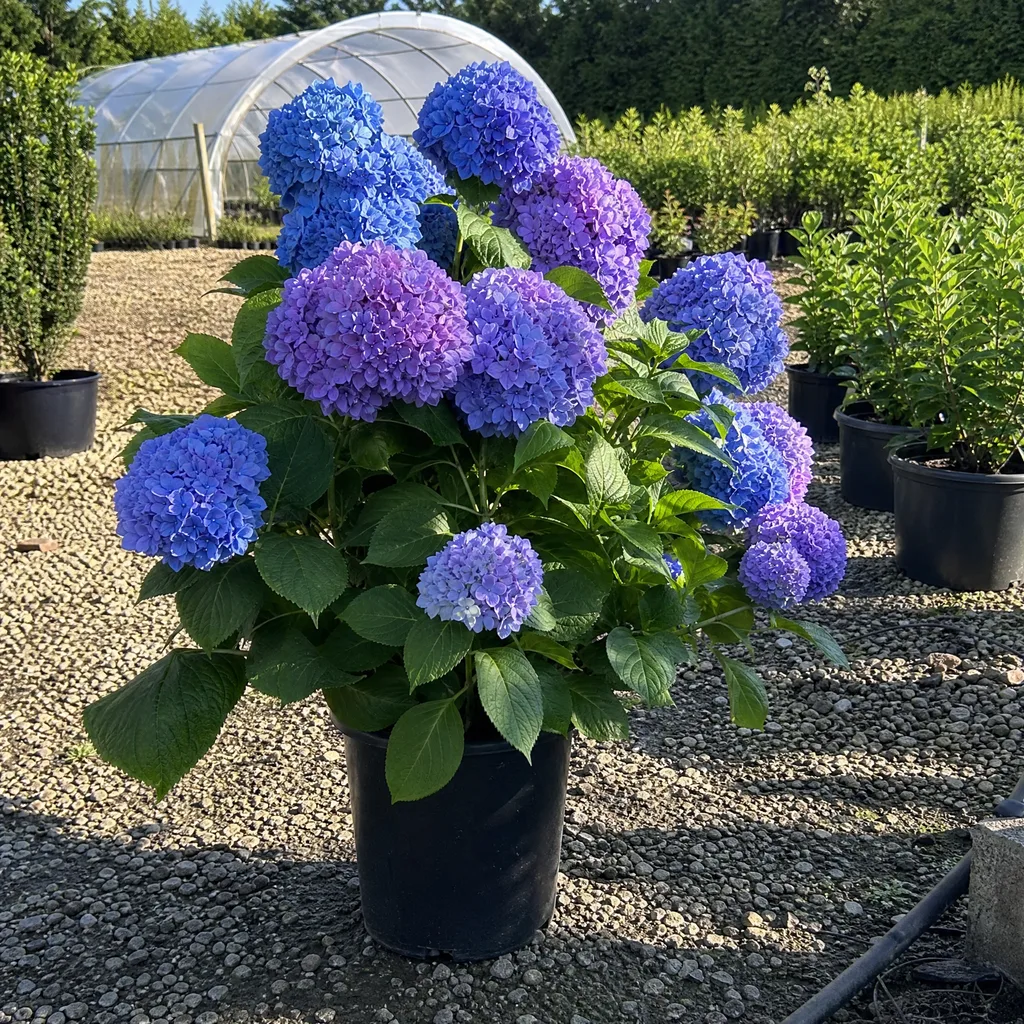
Big Daddy Hydrangea bloom color depends entirely on soil pH. Acidic soil (pH 5.5 or below) produces blue blooms. Alkaline soil (pH 6.5 or higher) produces pink blooms. At intermediate pH, blooms appear purple or lavender. Endless Summer follows the same pH rules for its color.
The flower color you see reflects the soil the plant grew in, not yours. One of the most common questions we get is whether a pink plant will stay pink at home. It will only if your soil stays near neutral. Acid soil of about pH 5.0 to 5.5 gives blue flowers, so the reverse can happen too. Our bloom color guide explains how to steer it.
Ask the nursery about the soil they use. A reputable grower can tell you the pH and what color to expect in your home garden. If they don't know, test the soil yourself with a simple kit or ask your local extension service for recommendations on amending pH before planting.
Reading the Plant: Healthy Signs and Red Flags
Whether you pick a plant off a bench or open a box, the same checks apply. Start with what a healthy Big Daddy looks like.
Signs of a Healthy Plant
Start with the basics: a Big Daddy Hydrangea should arrive with thick, firm stems and dark green, glossy foliage. Run your fingers along a stem. It should feel woody and solid, not soft or mushy. Any stems that bend easily or snap are a sign the plant has been stressed or neglected in the nursery.
Leaves are your first quality check. They should be large (this cultivar is known for its coarse-textured leaves) and show no signs of browning, spotting, or yellowing. A few lower leaves may have dropped during shipping, but the majority of the canopy should look fresh. Check the undersides of leaves for pests like spider mites or aphids, which appear as tiny moving dots or webbing. Those big, coarse leaves also help identify Big Daddy later.
Look for actively growing leaf tips. New growth indicates the plant was well-watered and cared for before purchase. If the plant looks stunted or hasn't produced new leaves in weeks, it may take longer to establish in your garden.
Red Flags to Leave Behind
Now the other side. These are the plants we would not send out ourselves, and you should not buy them either.
Pass on any plant with soft, mushy stems at the soil line. This indicates root rot, often caused by overwatering. The plant may recover, but it's an uphill battle that usually isn't worth the risk when healthier options are available.
Avoid plants with widespread yellowing leaves, unless just a few lower leaves have naturally dropped. Yellowing across the canopy signals stress, poor watering, or low nutrient availability. Similarly, skip any plant with visible leaf spots, which can indicate fungal or bacterial disease.
Don't buy a plant that's bone-dry at the soil surface with leaves that feel papery and crisp. Severely dried-out plants often don't recover well, even with careful watering after purchase. Hydrangeas want consistently moist soil, and a desiccated specimen has usually lost some roots.
Be wary of plants with no visible foliage density. A leggy plant with bare lower stems may look dramatic, but it's harder to fill in visually. Look for plants with branches extending from the base, creating a fuller form.
Where to Buy and What to Do Next
Buy from someone who can answer questions about soil pH, hardiness and how the plant was raised. That matters more than the type of seller.
What we tell customers is to check their zone first, because Big Daddy is rated hardy in zones 6 to 9. A local nursery lets you inspect the plant in person. Big-box centers stock hydrangeas mostly in spring and early summer, and quality depends on how well they have been watered on the floor, so look carefully. Mail order from a grower like us means a plant that is carefully packed, and early spring or fall is the best time to order.
Once you've selected and purchased your Big Daddy Hydrangea, the next steps are planting and care. Big Daddy Hydrangea thrives in part shade (morning sun and afternoon shade works best) and rich, humusy soil with good organic matter. Space multiple plants 5 to 6 feet apart.
For detailed planting instructions and ongoing care, see our complete Big Daddy Hydrangea care guide, which covers watering, fertilizing, and seasonal management. Hydrangeas like this one set flowers on old wood, so pruning timing is critical, and pruning should be done as soon as flowering is finished.
Quick Reference Buying Checklist
Take this table with you or keep it open while you unpack a box. It sums up what to look for and what to reject.
| What to Check | What You Want to See | Red Flag |
|---|---|---|
| Stems | Thick, woody, firm when gently squeezed | Soft, mushy, or easily bent stems |
| Foliage | Large, glossy, dark green leaves, new growth visible | Yellowing, spotting, or widespread browning |
| Pest check | No webbing or moving dots on leaf undersides | Spider mites, aphids, or scale insects present |
| Soil moisture | Moist but not waterlogged, drains well | Bone-dry or soggy soil, no drainage |
| Flowers (if present) | Dense, papery clusters, evenly colored | Drooping, thin, or wilted blooms |
| Container size | #1 or #3 for faster establishment, quart for budget options | Overcrowded roots circling the pot |
| Root inspection | Roots visible at drainage holes are normal and should be white or tan | Slimy, dark brown roots or root rot smell |
| Overall vigor | Plant looks alert, good stem-to-foliage ratio, balanced shape | Leggy, sparse foliage, plant looks stressed or abandoned |
Choosing Your Big Daddy With Confidence
Buy for sturdy stems, healthy leaves and a good root system, not for the color on the tag. A #1 container suits most people, and a #3 is the answer if you want flowers this summer. Whatever size you pick, plan for the mature plant, because Big Daddy grows quickly into a rounded shrub.
Big Daddy Hydrangea
Nursery-grown Big Daddy Hydrangea in sizes from 3 Gallon, shipped to your door.
From $65.85
Shop Now →Customers come back to us for the big, heavy mopheads each June and July, and for plants that arrive firm and ready to root in. We have our own farms, and we grow and sell top-quality shrubs, so a Big Daddy from us is one we would plant ourselves.