Big Daddy Hydrangea Bloom Color: Blue, Pink or Purple?
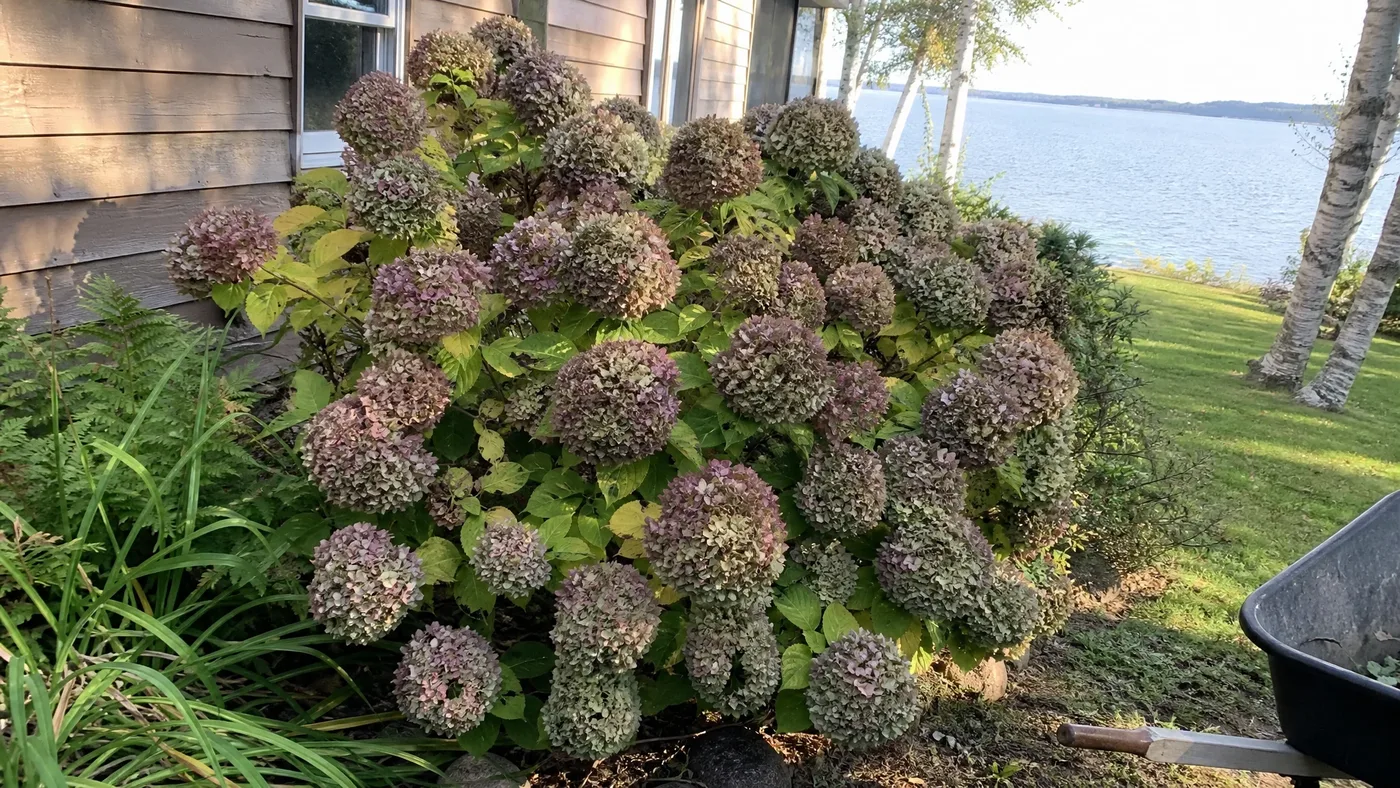
It is October, and the mophead flowers on your Big Daddy have gone papery and tan while the leaves start to turn. This is the month many of you ask us whether next summer's heads could be bluer, or pinker, than this year's. They can, and fall is a good time to begin.
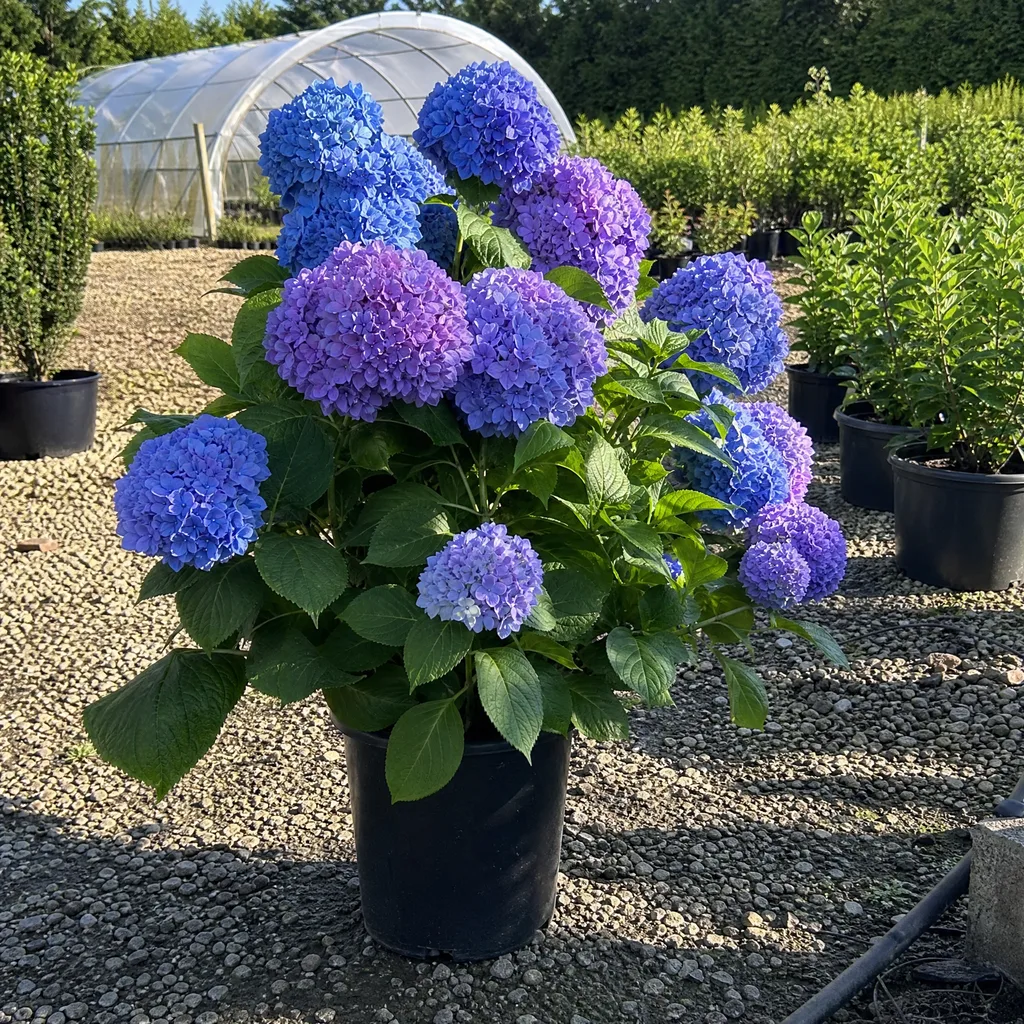
Below, you'll find out all about steering Big Daddy Hydrangea bloom color, including how soil pH and aluminum work, the materials you need, separate steps for blue and for pink, and when the flowers open and how to prune without losing them.
Get it right and you get heads the size of a basketball in the color you chose. Get it wrong and you spend two summers wondering why your pink plant turned a muddy purple.
The Big Daddy Hydrangea Color Mistake We See Most
Nearly every color question we get starts the same way. Someone shook aluminum sulfate over the bed without ever testing the soil. Here is why that fails and what we do instead.
The common advice is to dose with alum for blue and be done. We don't follow it. On soil that is still neutral or alkaline, the high pH ties up the aluminum no matter how much you add. We test first, bring the pH down with sulfur, and treat alum as a spring top-up. We also skip rusty nails, coffee grounds and other folk fixes, because none of them moves pH reliably. Light matters as well, and our sun requirements guide covers it in detail.
The mistakes below are the ones we run into most often, starting with the heavy hand on alum.
- Over-applying aluminum sulfate: More is not better. Follow the product label. Excess applications can burn roots and damage the plant without producing bluer blooms.
- Applying lime or sulfur in summer: Wait until fall or early spring. Applying these amendments during active growth can shock the plant.
- Expecting instant results: Soil chemistry changes over months, not days. Set realistic expectations and monitor color over two or three bloom seasons.
- Neglecting water during adjustments: pH amendments don't replace proper watering. Inconsistent moisture will weaken the plant regardless of what you add to the soil.
- Heavy pruning in late fall: Big Daddy sets buds for next year's blooms in late summer and fall. Pruning at the wrong time removes those buds, and you'll have no flowers the following summer.
- Planting in full sun: While Big Daddy can tolerate more sun in cooler climates with consistent moisture, afternoon shade in hot regions prevents bloom fade and reduces water stress.
How Bloom Color Works: The Soil pH and Aluminum Story
Big Daddy Hydrangea bloom color is determined by how much aluminum your plant can absorb from the soil. The more available aluminum, the bluer the blooms. The less available aluminum, the pinker the blooms. Soil pH controls aluminum availability.
Here's the simplified version. Extension sources put blue flowers at about pH 5.0 to 5.5, and say that between pH 5.5 and 6.5 the flowers will be purple, or a mix of blue and pink on the same plant:
- Acidic soil (pH 5.5 or below) makes aluminum highly available. Your blooms turn blue or blue-purple.
- Neutral to slightly alkaline soil (pH 6.0 to 6.5) creates intermediate pH conditions. Expect purple or lavender blooms.
- Alkaline soil (pH 6.5 or higher) locks up aluminum. Your blooms shift to pink or red-pink.
The transition isn't sudden. Changing soil pH is gradual, so your bloom colors may shift from one year to the next if you're adjusting your soil chemistry.
In our rows, one Big Daddy sitting in middling soil will often carry blue and pink heads at the same time. Don't panic if you see that. It just means your pH is in the middle.
Materials You'll Need
Before you start adjusting color, gather these materials:
To Create or Maintain Blue Blooms:
Blue needs acid soil and a source of aluminum. These are the items we reach for.
- Soil test kit or professional soil test (local extension service)
- Aluminum sulfate (alum), available at garden centers
- Organic mulch (2 to 3 inches)
- Balanced or hydrangea-specific fertilizer for spring feeding
- Garden soil or compost to amend planting area
To Create or Maintain Pink Blooms:
Pink is mostly about raising pH, so the aluminum product drops off the list.
- Soil test kit or professional soil test
- Garden lime (calcium carbonate or dolomitic lime)
- Organic mulch
- Balanced or hydrangea-specific fertilizer for spring feeding
- Garden soil or compost to amend planting area
Optional but Helpful:
None of these are required, but they take some of the guesswork out between soil tests.
- pH meter (digital or analog)
- Pruning shears (for deadheading spent blooms)
- Watering can or soaker hose
Soil texture changes how fast any amendment works, so read our soil and amendment guide before you buy anything.
How to Grow Blue Big Daddy Blooms
Blue Big Daddy Hydrangea blooms are striking and dramatic. If blue is your goal, follow these steps:
Step 1: Test Your Soil pH
Get a soil sample tested through your local extension service or use a home soil test kit. You need to know your starting point. If your soil is already acidic (pH 5.5 or below), you're halfway there. If it's neutral or alkaline, you have more work ahead.
Step 2: Lower pH if Needed
If your soil is above pH 5.5, gradually lower it. Add sulfur or use acidifying fertilizers over the course of a full growing season. Don't try to rush this in a single month. Soil pH changes slowly, and sudden shifts can stress the plant.
October suits this step well. Sulfur applied in fall has the whole winter and early spring to work, so the soil is further along by the time buds swell.
Step 3: Add Aluminum Sulfate in Early Spring
Once your soil is acidic, apply aluminum sulfate according to the product label. Typically, this means sprinkling it around the base of the plant (keeping it a few inches away from the stem) and watering it in thoroughly. The timing matters: apply it in early spring as the plant begins to grow, before flower buds form.
Step 4: Mulch Generously
Spread 2 to 3 inches of organic mulch around the base of Big Daddy. Hydrangeas love organic matter. As the mulch breaks down, it adds humus to the soil and helps maintain the acidic conditions aluminum needs to stay available. Refreshen the mulch each spring.
Step 5: Water Consistently Through the Season
Big Daddy Hydrangea wants consistently moist soil, never soggy or bone-dry. Inconsistent watering can stress the plant and cause the blooms to fade or wilt. In hot weather, water deeply 2 to 3 times per week if rain doesn't fall.
Step 6: Feed Lightly in Early Spring
Apply a balanced or hydrangea-specific fertilizer once in early spring. This feeds the plant without overdoing it. Over-fertilizing can produce excessive foliage at the expense of blooms, and high-nitrogen fertilizers can also interfere with the blue color.
How to Grow Pink Big Daddy Blooms
Pink Big Daddy Hydrangea blooms have a softer, more romantic appearance. To shift your blooms toward pink, follow these steps:
Step 1: Test Your Soil pH
As with blue blooms, start with a soil test. You're aiming for pH 6.5 or higher. If your soil is acidic, you'll need to raise the pH using garden lime.
Step 2: Raise pH if Needed
Apply garden lime according to the product instructions, usually in fall or early spring. Like lowering pH, raising it is a slow process. You may not see a dramatic color shift until the second or third year after you begin amending the soil.
Step 3: Skip Aluminum Sulfate
If you want pink blooms, do not add aluminum sulfate. The whole point is to keep aluminum unavailable. As your soil becomes more alkaline, aluminum naturally becomes locked up, and your blooms will shift toward pink.
Step 4: Mulch Generously
Apply 2 to 3 inches of organic mulch. This protects roots and maintains soil structure, even in alkaline conditions. We favor shredded hardwood bark or leaf mulch here. We skip pine needles, since they lean acidic and work against the pink you're building.
Step 5: Water Consistently
Big Daddy Hydrangea still needs consistently moist soil to produce healthy blooms. Water depth and frequency remain the same as you would for blue blooms. The pH change doesn't change the plant's water needs.
Step 6: Feed Lightly in Early Spring
Stick with a balanced or hydrangea-specific fertilizer once in early spring. Low-nitrogen feeding supports blooming without forcing excessive leaf growth.
When Big Daddy Blooms, Plus Tips and What to Expect
Color is only half the picture. Timing decides when you see it, and what you do with the shears decides whether you see it at all.
Extension sources say this type of hydrangea flowers mostly in June and July, and we usually see Big Daddy open somewhere in that stretch. In cooler climates (zones 6 to 7), blooms may start later and finish earlier. In warmer climates (zones 8 to 9), you may see blooms start in late May and persist into September.
Bloom time is also affected by pruning. Big Daddy blooms on old wood, meaning the flower buds form in late summer and fall of the previous year. If you prune too heavily in fall or winter, you risk removing those buds and losing blooms for that season. For the biggest, healthiest blooms, prune immediately after the flowers fade in summer, removing only dead or weak stems. We also like cutting faded heads for drying at that point.
Since it is October, leave the old heads alone for now if you missed the summer window. Our pruning guide walks through what to cut and when.
Habits for Steady Bloom Color
These habits keep color steady from one summer to the next.
- Test your soil every 2 to 3 years. Soil pH can drift over time, especially if you're actively amending it.
- Changes to bloom color take time. Don't expect a bright blue Big Daddy to turn pink in a single season. Plan for gradual shifts over 1 to 2 years.
- Consistency matters more than perfection. Steady aluminum sulfate or lime applications will produce steadier color changes than sporadic treatments.
- Protect new growth in spring. In zones 6 and 7, a late frost can kill emerging flower buds. If frost threatens, water deeply the day before a predicted freeze.
- Purple or lavender blooms don't mean you've failed. Many of our customers end up loving the intermediate colors that middling pH produces without extra work.
- Deadhead spent flowers to encourage bushier growth, but understand that the flowering display will shorten if you remove all old blooms.
- Big Daddy prefers part shade with morning sun and afternoon shade. Extension advice is to protect it from afternoon sun, which can fade blooms, especially in regions hotter than zone 7.
What Results to Expect
With those habits in place, here is what we tell customers to expect.
If you follow these steps consistently, you can expect to see color shifts within one to two growing seasons. A naturally pink Big Daddy Hydrangea in neutral soil may show noticeably bluer tones after one spring application of aluminum sulfate. A blue hydrangea in acidic soil may take longer to shift pink because you're fighting against naturally acidic conditions, so it may take two years of lime applications.
Once your Big Daddy is established at your desired pH and you maintain it, the bloom color will remain consistent year to year. The massive flower heads, which are what Big Daddy is bred for, will keep arriving reliably each summer in the color you've cultivated.
For complete growing guidance on Big Daddy Hydrangea, including watering schedules, spacing, and seasonal care, see our Big Daddy Hydrangea care guide.
Quick Reference: Bloom Color Control Chart
This chart pulls the pH targets, amendments and timing from the sections above into one place.
| Goal Color | Target Soil pH | Primary Amendment | Timing | Expected Timeline |
|---|---|---|---|---|
| Blue | 5.5 or below | Aluminum sulfate | Early spring each year | Color change visible within 1 season |
| Purple/Lavender | 6.0 to 6.5 | None (monitor naturally) | N/A | Occurs naturally if soil is neutral |
| Pink | 6.5 or higher | Garden lime | Fall or early spring | Gradual shift over 1 to 2 years |
| Maintain Blue | 5.5 or below | Aluminum sulfate + organic mulch | Spring, annually | Ongoing consistency |
| Maintain Pink | 6.5 or higher | Garden lime as needed + organic mulch | Fall or spring, every 2-3 years | Ongoing consistency |
Plan Next Summer's Big Daddy Color This Fall
Test the soil before you add anything, move pH slowly, and be patient for a season or two. Blue comes from acid soil and available aluminum, pink from higher pH, and purple from the middle ground. Mulch, steady water and afternoon shade keep whatever color you pick looking its best.
Big Daddy Hydrangea
Nursery-grown Big Daddy Hydrangea in sizes from 3 Gallon, shipped to your door.
From $65.85
Shop Now →On our farms, we grow Big Daddy in part shade with morning sun, steady moisture and a mulched, slightly acid bed, and we sell top-quality hydrangeas that have been raised that way.