Mophead or Lacecap? What Big Daddy Hydrangea Blooms Look Like
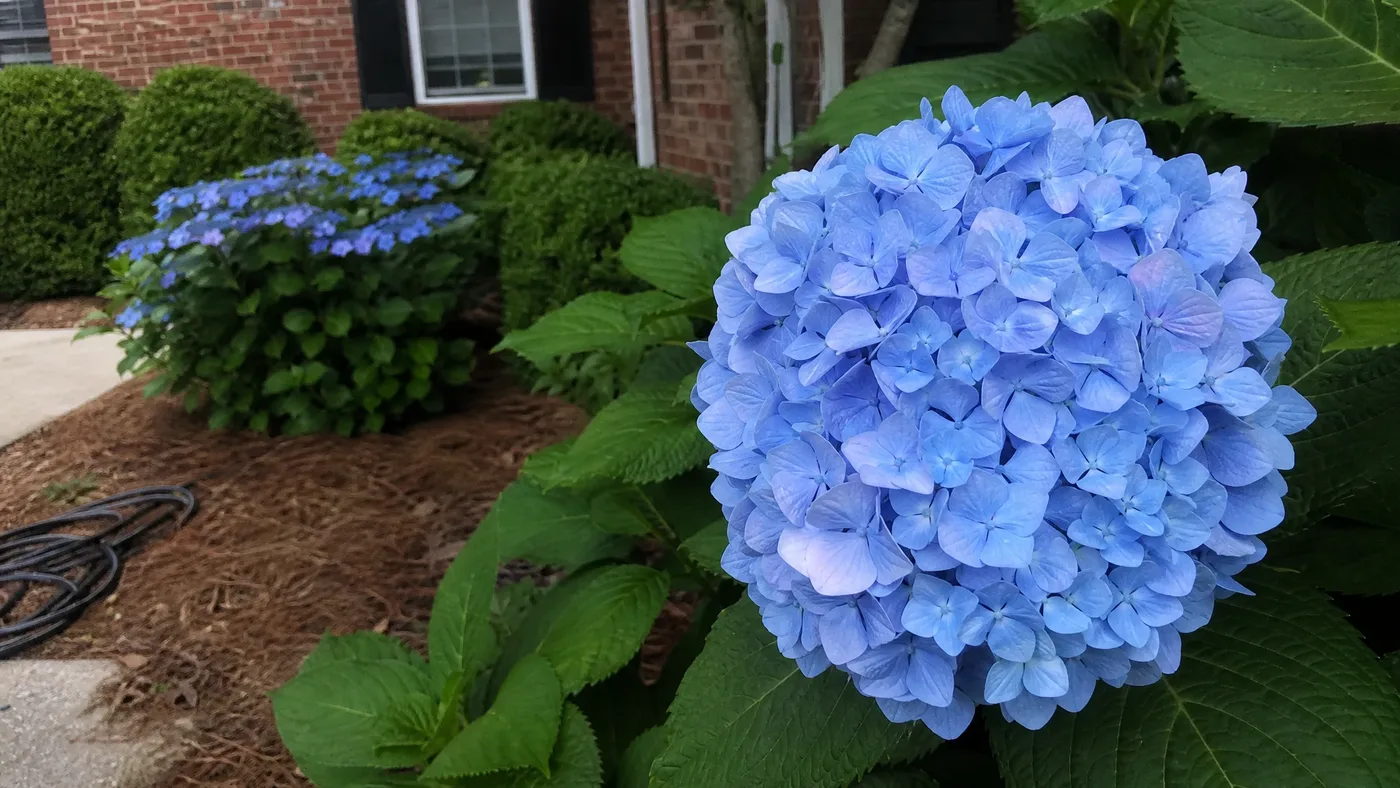
A photo reaches our inbox now and then with the same question under it: is this a ball or a plate? The head in the picture is half open, the light is poor, and the owner can't tell which kind of hydrangea they have. Here is the trick we give them. Ignore the middle and trust what the head does at its edges. If the outer flowers wrap around a packed globe, it is a mophead. If a ring of big flowers frames a flat disc of tiny buds, it is a lacecap.
We'll walk you through where Big Daddy Hydrangea sits in that split, then how each form behaves in beds, for pollinators and in a vase, then how to diagnose a flat or thin head on your own plant. Picking the wrong form for the job gets you a border that looks thin, a garden insects ignore, or bouquets that never fill the vase.
Big Daddy Hydrangea Is a Mophead, Not a Lacecap
Bigleaf hydrangeas come in two flower forms, and Big Daddy falls cleanly on one side of the line. This section defines both forms and shows how to tell them apart on a real plant.
The Two Bigleaf Flower Forms
The split is about how the flowers sit on the head. NC State Extension describes ball-shaped "mop-heads" and flat lacecaps, which carry small flowers surrounded by a ring of more prominent ones. Every bigleaf cultivar makes one or the other, never a blend of the two.
This table sets the forms side by side, using only what you can see from a few steps away.
| Feature | Mophead | Lacecap |
|---|---|---|
| Overall shape | Rounded ball | Flat or slightly domed plate |
| Outer edge | Showy flowers all the way around and across the top | One ring of showy flowers |
| Center | Packed with more showy flowers | Small, bead-like buds and tiny flowers |
| Visual weight | Heavy, solid color | Light, open, see-through |
| Best at | Bulk and big color | Delicate texture |
Reading a Head at Its Edges
The center misleads because buds look alike in both forms. The edge does not. On a mophead, showy flowers continue past the rim and curve down the sides of the ball. On a lacecap, the showy flowers stop in a single ring and the small flowers sit inside it like beads in a dish.
Where Big Daddy Lands
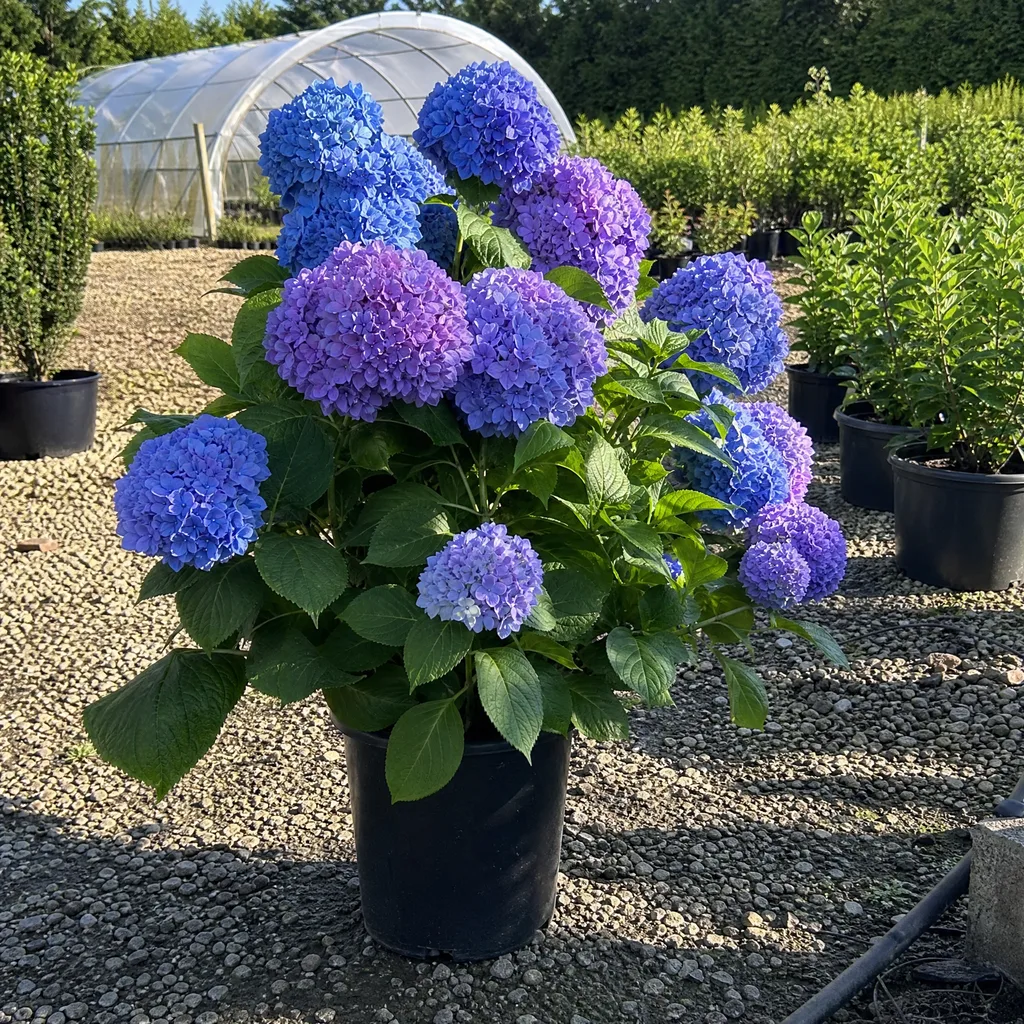
Big Daddy is a full mophead with very large, rounded heads. There is no lacecap version of this cultivar, so a Big Daddy never turns into a lacecap, and a flat lacecap plant is never a Big Daddy.
One of the most common questions we get is whether a plant bought under this name might open flat. It will not. Every Big Daddy we grow and sell is the mophead described here, so the form is not left to chance. To check a plant against its leaf, bud and bloom, our guide to identifying Big Daddy by leaf, bud and bloom walks through it.
Big Daddy Hydrangea Fills Beds, Lacecaps Fill Edges
The two forms do different jobs in a landscape. A mophead builds mass and a lacecap softens a margin, and mixing those jobs up is where plantings go wrong.
Mass and Bulk From Mopheads
A mophead reads as a solid block of color from across the yard. Big Daddy's large rounded heads stack up on a shrub that, at the species level, grows 3 to 6 feet tall and wide. Plan for a plant that takes real room, and give it that room instead of squeezing it in. If you want cultivar-specific numbers, our guide to how big Big Daddy gets at maturity covers them.
That bulk is why the uses listed for bigleaf hydrangea suit Big Daddy so well: mass plantings, foundation plantings, hedges and privacy screens. In each one you want a wall of flower, not a gap-toothed sprinkle. Our landscape design ideas for Big Daddy show how to put that to work.
Lightness at the Margins With Lacecaps
A lacecap lets you see through and past the flowers. That makes it a better fit along a path, at a woodland margin, or beside a fine-textured shrub you do not want to hide. Put a heavy mophead in that spot and the edge turns into a wall.
The reverse mistake is just as common. A lacecap in the middle of a foundation planting can look underfilled, because the open centers let the bare stems and wall behind it show through for weeks.
One Site, Two Forms
Both forms share the same basic needs. The species does best in part shade and wants protection from afternoon sun, so neither one rescues a hot, bright corner.
What changes is how the site feels. A mophead mass makes a room and blocks sight lines. A lacecap lets a view carry through. Decide which effect you want before you choose, since the same spot will give you opposite results.
Color Across a Whole Planting
A big mophead mass shows color shifts more than a lone lacecap does, because there is more bloom to look at. Between pH 5.5 and 6.5, the flowers will be purple or a mixture of blue and pink on the same plant. In a row of Big Daddy that can look lovely or patchy, so decide on a color early and test your soil before you plant.
Why Pollinators Favor Lacecaps Over Packed Mopheads
If bees and butterflies matter to you, flower form decides how useful the shrub is. The reason is simple geometry, and it points to a clear answer.
What Insects Can Reach
On a lacecap, the small flowers in the center sit open on a flat plate. An insect can land and work across them with nothing in the way. The big outer flowers act as a landing ring and a signal that draws visitors in from a distance.
On a mophead, the showy flowers fill almost the whole head. The small flowers are few, or buried under the showy ones, so there is little for an insect to reach. Big Daddy's very large, tightly packed heads are exactly this kind of dense ball, which makes it a weak plant for feeding insects.
Reading the Wildlife Claims
You will see hydrangeas lumped together as wildlife plants. We would not say that of a mophead. A packed ball is a showpiece for you, not a buffet for insects. If pollinators are your main reason to plant, a lacecap is the better pick within the bigleaf group.
That does not make Big Daddy a mistake. It means you should not buy it for that job. Plant it near flowers with open, easy-to-reach blooms, and let the mophead do what it does best.
Timing Your Companions
Virginia Tech notes that bigleaf hydrangea flowers are mostly produced in June and July. Companions that open before and after that window keep insects coming to the bed all season, and the mophead then supplies the structure and color around them.
Choose plants with simple, open flowers for the neighbors. For insects, look to perennials with flat or daisy-like faces, and let the shrub layer carry the mass.
If Insects Come First
Look past the mophead form entirely. Other hydrangea groups, such as the smooth, panicle and oakleaf types, bloom differently, and some of them hold their small flowers more openly. Choose with the right goal in mind rather than by the biggest head.
In a Vase, Mopheads Give Mass, Lacecaps Air
Cut flowers show the difference between the forms more plainly than any landscape does. NC State lists bigleaf hydrangea as a good addition to cutting gardens, and which form you cut changes the whole look of the arrangement.
Cutting Big Daddy for Mass
A single Big Daddy head can anchor a vase on its own. The large round shape does the work that would take a bunch of smaller flowers. That is the mophead's strength for cutting: instant fullness with very little fuss.
The trade-off is weight. The heads are dense and heavy, so they suit a wide-mouth vase or a short arrangement where the flower is the point, not a tall, slender bouquet that needs to float.
Cutting a Lacecap for Air
A lacecap gives you loose, delicate sprays that mix well with other flowers. The open center and the single ring of showy flowers let neighboring stems show through. You get a looser, wilder look that a mophead cannot copy.
A lacecap can look thin on its own, though. If you want a bouquet that looks full without extra material, it will not do that.
Which Form to Cut
For a statement vase, we would take Big Daddy every time. For a mixed, airy bouquet, a lacecap is the better partner. If you plan to dry Big Daddy as well as use it fresh, our guide to cutting and drying Big Daddy flowers covers the steps.
Cut With Next Year in Mind
Bigleaf hydrangeas set their buds on old wood, so every stem you cut is a stem that may not carry a bloom later. Take heads with a short stem and leave plenty of the shrub's framework alone.
Is That Flat Head Really Big Daddy Hydrangea?
If your plant carries flat, thin or sparse heads, work through the checks below. There are three likely causes, and each has a different fix.
If the Head Is Flat With a Ring
Look at the edges. A ring of big flowers around a flat disc of small buds means you have a lacecap. Big Daddy does not make that head, so the plant is either mislabeled or a different shrub. Check the tag, the purchase record and the leaves against the identification guide linked above.
A plant that was sold loosely as "a big blue hydrangea" is the usual culprit. Mix-ups happen at garden centers when labels get moved, and a lacecap in a Big Daddy pot looks perfectly healthy until it blooms.
If the Head Is Small or Loose
If the head is rounded but smaller or looser than the photos, suspect a young plant. We often see first-year plants carry modest heads while the shrub puts its energy into roots and stems. Give it time, steady water and the right light before you judge it.
A head that is still opening can also look flatter than it will in a week. Check again after seven days before you decide anything.
If the Head Never Showed Up
No head at all usually points to pruning or weather. Virginia Tech notes that plants flower on old wood, so pruning should be accomplished as soon as flowering is finished. Cut in late fall or spring and you remove the buds. A hard freeze after the buds swell can do the same.
If none of that fits, our guide on why a Big Daddy is not blooming goes through the remaining causes, from light to feeding.
Round Heads, Lace Edges, One Clear Choice
Mophead and lacecap are two different tools. A mophead brings bulk, solid color and full vases. A lacecap brings lightness, open flowers for insects and a loose, airy cut. Big Daddy is the mophead, with very large rounded heads and no lacecap form to switch to.
Big Daddy Hydrangea
Nursery-grown Big Daddy Hydrangea in sizes from 3 Gallon, shipped to your door.
From $65.85
Shop Now →If you want a big round head, plant Big Daddy. If you want open lace for insects, look elsewhere. As a small grower with our own farms, we care about getting this right because we raise top-quality shrubs ourselves, and we would rather you pick the form that fits your job than wait years on the wrong plant.