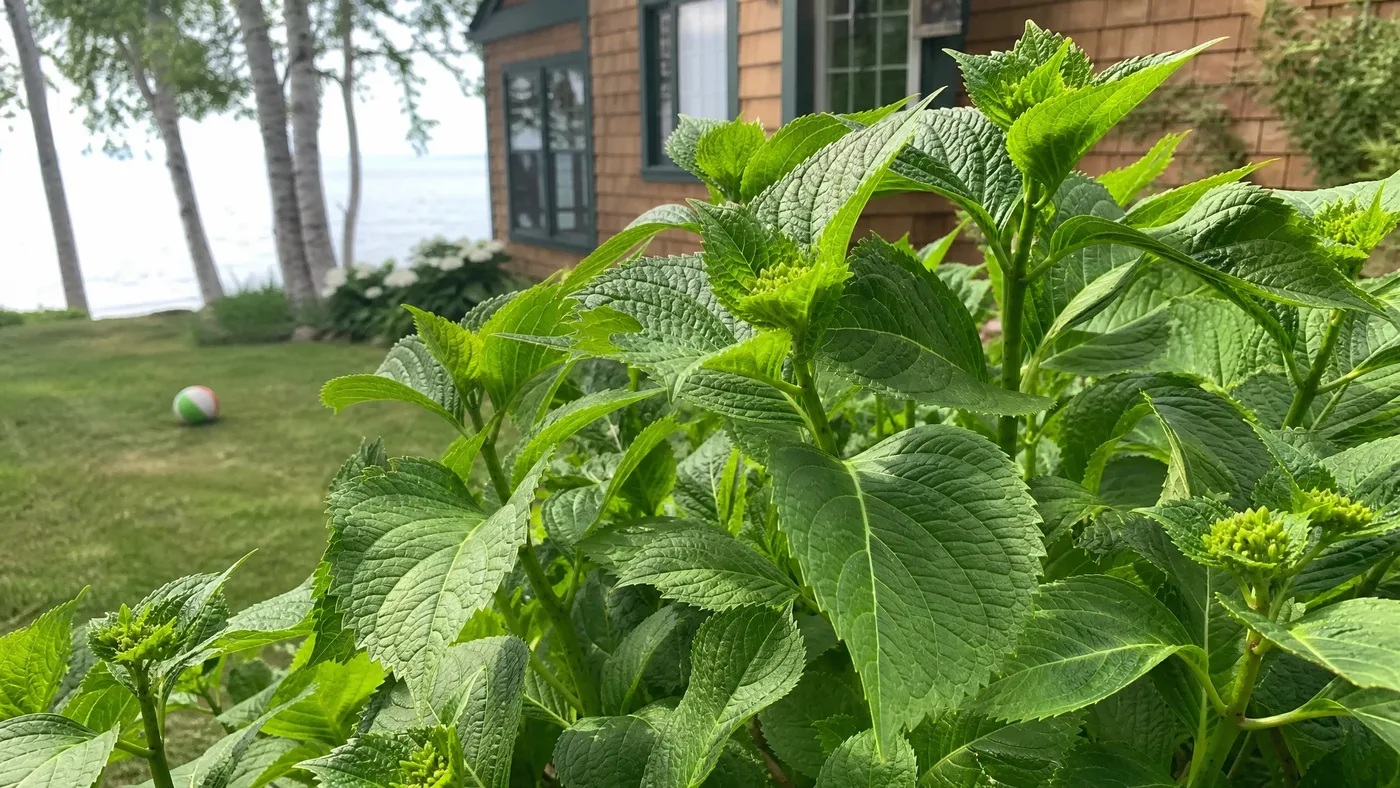
Why Isn't My Big Daddy Hydrangea Blooming This Year?
Why Big Daddy Hydrangea Skips Its Blooms
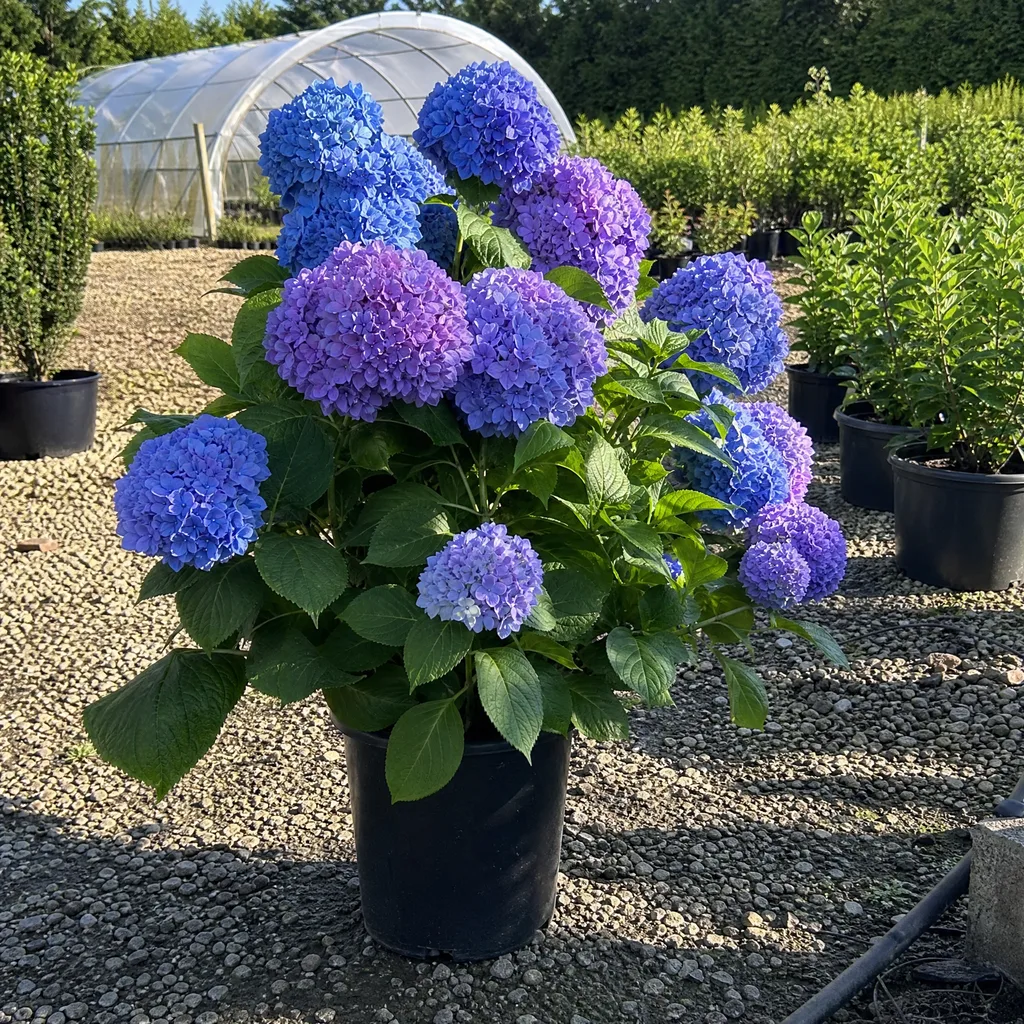
A Big Daddy in full bloom is the high point of a summer border. Those huge mophead flowers open in early summer, hold for weeks, and bring bees in to work them. A shrub with lush green leaves and no flowers is a real letdown, and the cause is usually something that happened to the plant months ago.
Customers usually ask us the same thing each spring: the plant looks healthy, so where are the buds? It is almost never random. We'll walk you through why the buds fail and how to work out which cause fits your plant, then the fixes for pruning, light, water, soil, frost and a plant that is simply too young, and what to expect next season.
Why Big Daddy Hydrangea Skips Its Blooms
The short answer is timing. Most missed seasons trace back to something that happened to the plant last summer, fall, or winter.
Big Daddy Hydrangea blooms on the previous year's growth, meaning the flower buds form in late summer and fall, rest over winter, and open the following summer, mostly in June and July. This matters enormously because your pruning decisions this month affect next year's blooms, not this year's. We count on those old-wood buds and treat any later flowers as a bonus.
If your hydrangea is not blooming now, the damage was likely done last summer, fall, or winter. Understanding this timing is your first diagnostic clue.
Pruning is the usual culprit, followed by frost, shade, poor watering or soil, and a plant that is too young. The sections below take them in that order, starting with a quick way to find your own cause.
Diagnose Your Big Daddy Hydrangea, Step by Step
Use this process to narrow down which problem is most likely:
- Check when you last pruned. If you pruned hard (removed thick branches, not just dead wood) any time from August through March, incorrect pruning timing is your answer. Do not prune again until immediately after next summer's bloom fades.
- Ask yourself: did a hard freeze occur in April or May after the plant leafed out? If yes, frost damage is likely. This is not preventable retroactively, but you can adjust location next spring.
- Evaluate light. Does the plant receive at least 3 to 4 hours of direct sun? Is it shaded in the afternoon? If it lives in deep shade, move it or thin overhead branches.
- Dig down 6 inches and feel the soil. Is it hard and compacted, or wet and squishy, or dry and dusty? Amend as needed and establish a consistent watering schedule.
- Check your records: did you plant this hydrangea less than a year ago? If so, give it one more growing season before expecting a heavy bloom.
Prune Big Daddy Right After It Flowers
The single most common reason Big Daddy Hydrangea fails to bloom is heavy pruning in late summer, fall, or winter. Every time you cut old wood after August, you remove the flower buds that were already set for next year.
What Went Wrong
Check your own history against these habits. If any of them sounds familiar, you have likely found your answer.
- You pruned hard in September, October, November, December, or early spring
- You cut back more than just dead or weak stems
- You shaped or thinned the plant aggressively to control its size
The Fix for Next Year
Prune immediately after flowering ends, which means as soon as the flowers fade, usually in July or early August. At that point, remove only dead or weak stems. Avoid heavy pruning after August. If you need to shape the plant or reduce its size, do it right after flowers fade, when you still have time before new buds set.
Big Daddy grows quickly into a large, multi-stemmed shrub and can reach 5 to 6 feet tall and wide, the upper end of what is typical for the species. If you're concerned about the plant getting too large, plan your space accordingly, and resist the urge to chop it back in late season.
You will read advice to cut every hydrangea back hard in late winter to keep it tidy. We don't follow it for Big Daddy. In our rows, the shrubs we leave alone through winter are the ones that flower. Wait until spring shows you which stems leaf out, and take off only the dead ones. For the full method, see our guide on when and how to prune Big Daddy.
Sort Out Light, Water and Soil for Big Daddy
Big Daddy wants part shade and protection from afternoon sun. When light, water and soil are in balance, the plant puts its energy into flowers and not only leaves. Balanced conditions also let the plant build larger flower heads on each stem.
How Light Affects Blooming
Big Daddy Hydrangea performs best with morning sun and afternoon shade. However, if your plant sits in deep shade all day, or receives less than 3 to 4 hours of direct sun, blooming often suffers.
The plant can survive on low light, which is why it keeps producing leaves. But flowering requires energy, and shade-grown plants may not generate enough to set abundant flowers. The foliage looks fine because leaves cope with shade, but bloom production does not.
What You Can Do
Pick the option that suits your planting. Each one gets more light to the buds without exposing the plant to hot afternoon sun.
- If the plant is young and moveable (in a large container), consider relocating it to a spot with morning sun and afternoon shade
- If the plant is established in the ground, thin overhead tree branches to let more dappled light through
- Ensure the plant is not blocked by buildings or structures on its sunny side
Big Daddy Hydrangea tolerates more direct sun in cooler or coastal climates where consistent moisture is available. If you live in a hot climate, the afternoon shade requirement is non-negotiable to prevent wilting.
Soil Problems
Big Daddy Hydrangea wants consistently moist (not soggy or bone-dry) soil rich in organic matter. Poor watering or depleted soil can suppress blooming even when other conditions look good.
The plant needs rich, humusy, well-drained soil with good organic matter. If your soil is compacted clay, sandy and lean, or heavily amended with only peat without other organic inputs, blooming may lag. Additionally, high soil pH (above 6.5) can cause chlorosis, which weakens the plant and reduces flower production.
Water Issues
Drought stress, especially during the bud-set period (late summer), tells the plant to conserve energy and may prevent blooming the following year. Conversely, waterlogged soil invites root rot, which also suppresses bloom.
Fix Water and Soil Together
Soil pH mostly decides flower color, so a test tells you where you stand. Between pH 5.5 and 6.5 the flowers are purple or mixed. Work through these steps in order.
- Test your soil pH if you haven't recently. Big Daddy Hydrangea prefers acidic soil with a pH around 5.5 or below, which promotes both healthy growth and flowering.
- Amend the planting area with 2 to 3 inches of compost or aged bark mulch worked into the top 6 to 8 inches of soil. This improves structure and moisture retention.
- Water deeply once or twice per week during the growing season, depending on rainfall and temperature. Aim to keep the soil consistently moist, not wet.
- Apply 2 to 3 inches of mulch around the base of the plant (keeping mulch away from the stem) to regulate soil moisture and keep roots cool.
One more piece of common advice we skip is feeding a high-phosphorus bloom booster. It rarely fixes a no-bloom year, because extra fertilizer can't replace buds that were pruned off or roots that dried out. Heavy nitrogen mostly pushes leaves. If you do feed, follow our guide to fertilizing Big Daddy.
When Frost or a Young Plant Is the Cause
Two causes can't be fixed this season, but you can plan around both. A late freeze can kill buds that were ready to open, and a newly planted shrub may not be ready to flower at all.
Big Daddy Hydrangea is hardy in zones 6 through 9, but even in these zones, a late spring frost can zap newly opened buds or tender new growth. If you had an unexpected hard freeze in April or May after the plant leafed out, frost damage may be your culprit.
Signs of Frost Damage
Use this checklist to tell frost damage from the other causes. Frost leaves a clear pattern.
- The plant leafed out normally in spring
- A hard frost occurred in April or May after growth had started
- Flower buds turned black or brown and fell off
- The rest of the plant recovered and looks healthy
Reduce the Frost Risk
Frost damage from this year cannot be reversed. However, you can reduce the risk next spring by planting Big Daddy Hydrangea in a location protected from north and west winds, which are the coldest. Morning shade helps delay bud break until after the last frost date in your area, giving the plant a safety margin.
Check your local extension service for your area's average last frost date. Once you know it, you can plan protection strategies for marginally hardy plants.
A Young Plant Needs Time
A newly planted Big Daddy may not bloom in its first year. If you planted your hydrangea less than a year ago, it may simply not be ready to bloom yet. Once settled, the plant rapidly grows into a multi-stemmed shrub, and flowers follow.
Young plants invest energy in root development and establishing a strong framework. Flowering often waits until the second or third season. This is normal and not a sign of a problem.
What to Expect Going Forward
Once you fix the root cause, Big Daddy Hydrangea can take one full growing season to respond. For example, if you adjust watering or light this fall, you may not see improved bloom until the following summer. If you avoid late-season pruning from now on, next year's bloom should be more generous than this year's.
For detailed care information, see our complete Big Daddy Hydrangea care guide and our guide on sun requirements and light conditions.
Quick Reference: Blooming Troubleshooter
This table sums up the five causes. Find the symptom that matches your plant, then use the quick fix and timeline in the same row.
| Symptom | Most Likely Cause | Quick Fix | Timeline |
|---|---|---|---|
| Pruned hard in fall or winter | Removed flower buds | Prune only in July-August after flowers fade | Next year |
| Late frost in spring, buds turned black | Frost damage | Move to a wind-protected spot, away from cold north and west winds | Next year |
| Plant in deep shade all day | Insufficient light | Move to morning sun and afternoon shade, or thin tree branches | This season or next |
| Soil is hard, compacted, or dry, or wet all the time | Poor soil or watering | Amend with compost and water deeply 1-2 times per week | Next season |
| Planted less than 1 year ago | Plant is too young | No action needed, wait | Next year |
Next Summer's Big Daddy Blooms Start Now
Almost every blooming problem on Big Daddy comes back to the buds formed on last year's wood. Prune right after the flowers fade, give the plant morning sun and steady moisture, and shelter it from late frost. Give a young plant time and it will repay you.
Big Daddy Hydrangea
Nursery-grown Big Daddy Hydrangea in sizes from 3 Gallon, shipped to your door.
From $65.85
Shop Now →As a small grower, we care about getting this right because every Big Daddy we raise on our own farms is meant to put on a full summer show for you. We grow and sell top-quality plants, and we want yours covered in blooms.