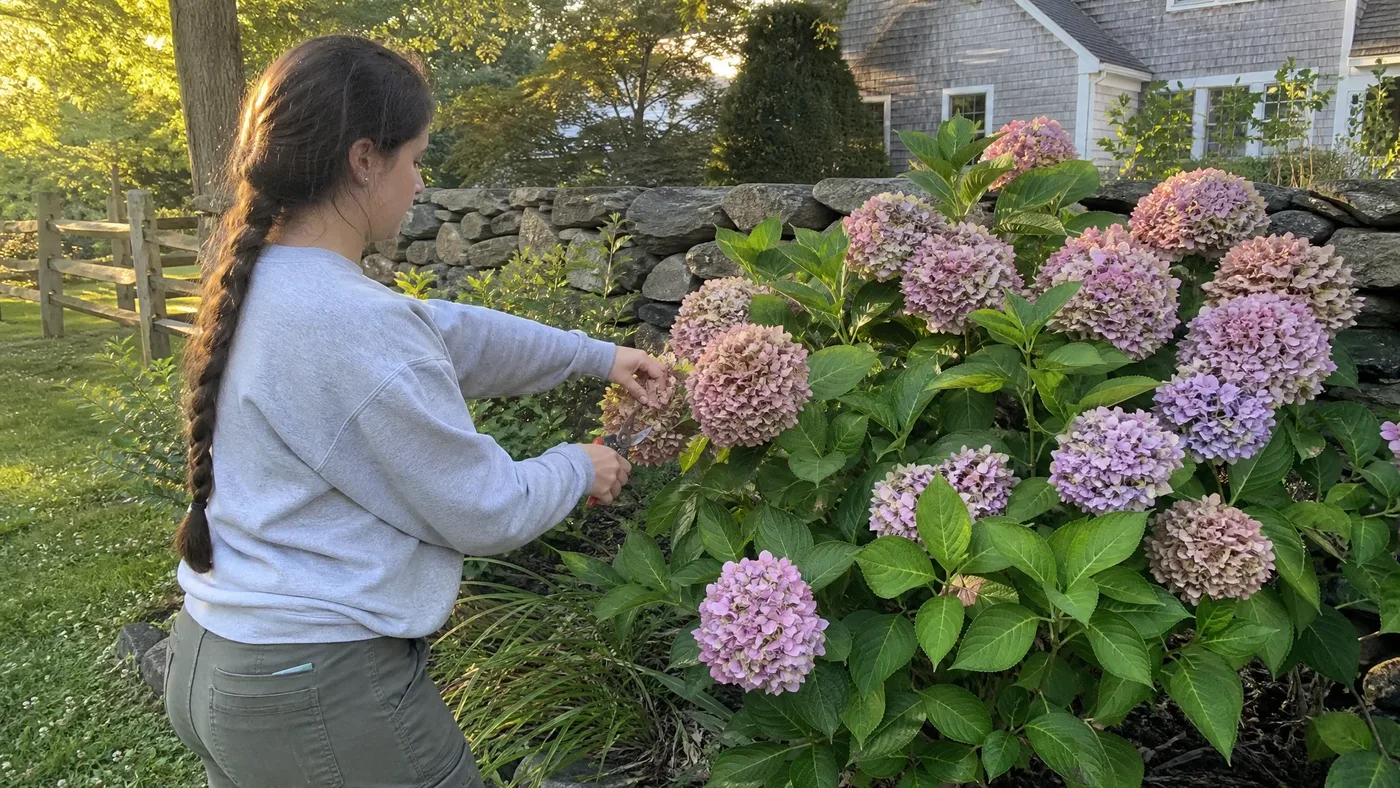
When and How to Prune Big Daddy Hydrangea Correctly
Every fall we see the same thing in customers' photos: a healthy Big Daddy with glossy leaves and not one flower head the next summer. Nine times out of ten, a tidy-up in October did it. The buds for next year were already set on those stems, and the loppers took them.
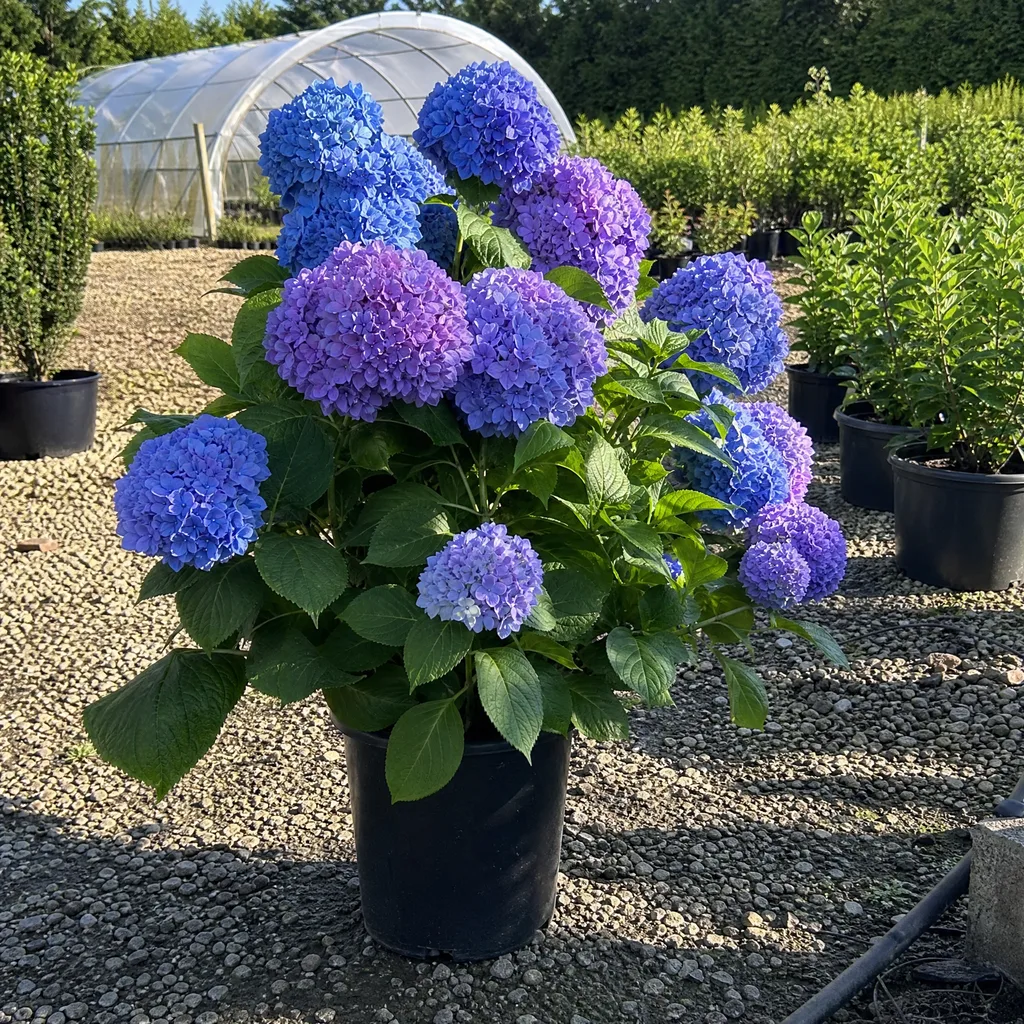
That's a shame, because a well-pruned Big Daddy gives back huge mophead blooms that open fresh in June and July and age to soft, papery tones by late summer. This guide covers everything you need to know about pruning Big Daddy, from the light cuts in its first two years to the thinning and shaping of a mature shrub.
When to Prune Big Daddy Hydrangea
Timing matters more than technique with this shrub. Get the window right and almost any cut you make will be safe.
Big Daddy blooms mostly in June and July, and some years it keeps going into August. Once the main flush of blooms fades, that is your pruning window. When it closes in late summer, stop cutting until the next spring.
Why the strict timing? Big Daddy sets next year's flower buds on this year's stems soon after the blooms finish. Because the plant flowers on old wood, pruning should come as soon as flowering is finished. A cut in fall, winter, or early spring takes the buds with it. Come summer, your shrub leafs out beautifully and produces few or no flowers. This is the most common pruning mistake gardeners make with hydrangeas.
Watch the plant, not the calendar. As soon as the heads start to fade, usually in July or early August, prune. Do not wait for fall cleanup. Early spring work is limited to removing dead wood, never shaping. We remove spent blooms right after fading to keep plants tidy.
You will read advice to cut hydrangeas back hard in late winter, or to shear them in fall to keep them neat. We don't follow it for Big Daddy. It is often sold as a rebloomer, but we still prune it as an old-wood bloomer, because the main summer flush is what you lose when a cut goes wrong.
Adjusting the Window for Your Zone
Your zone shifts the window a little. Big Daddy grows in zones 6 through 9, and our hardiness zone guide shows what that range means for your area.
- Zones 6 to 7 (colder climates): Prune as soon as blooms fade, usually late July to early August. A light spring pass for dead wood only is fine.
- Zones 8 to 9 (warmer climates): Prune when the flowers finish, usually in August. Blooming can run longer, so watch the plant rather than the calendar.
If you live in a zone where late spring frost is common, avoid aggressive spring pruning. A late frost after new growth emerges can damage the emerging buds. Prune only to remove obvious winter damage.
What You Will Need
Gather these tools and materials before you start:
- Bypass hand pruners (sharp, 8 to 10 inches long) for branches up to about half an inch thick
- Lopping shears for thicker stems up to 1.5 inches diameter
- A pruning saw for branches thicker than 1.5 inches
- Thick gloves to protect your hands from stems and scratches
- A small bucket or tarp to collect pruned branches
- Rubbing alcohol or a spray bottle with 10% bleach solution for cleaning tool blades between cuts (optional but helpful to prevent disease spread)
Dull tools crush stems instead of cutting cleanly. Before you prune, wipe your blades with alcohol and sharpen them if needed. Clean cuts heal faster and reduce disease risk.
Pruning Big Daddy in Its First Two Years
A new Big Daddy needs very little pruning. What you do, or don't do, in the first two seasons builds the framework you will shape later.
In the first year after planting (our guide to planting Big Daddy covers the start), cut only dead or broken stems and leave every healthy one. The plant is putting its energy into roots. Customers usually ask us whether to cut a new plant back to make it bushier. We tell them no, because those stems carry next summer's buds.
In the second year, add a light thinning right after bloom. Big Daddy rapidly grows into a multi-stemmed shrub, and the species reaches 3 to 6 feet tall and wide. Plan space for the upper end of that range, and prune to open the shrub up rather than to hold it small.
Step-by-Step Pruning for a Mature Big Daddy
Once your shrub has a few seasons behind it, work through these five steps right after the main bloom fades. Do them in order, because each one makes the next easier to see.
Step 1: Remove Dead or Diseased Wood
Start by identifying dead stems. Dead wood appears gray, brittle, and hollow. Diseased wood may show discoloration, cankers, or soft spots. Cut these stems all the way back to the ground or to a healthy branch below the damage. Do not leave stubs. A clean cut at the base of the stem heals much faster than wood left partially attached.
If a stem is only partially dead (dead above a certain point but green below), cut just above the lowest bud or branch junction that shows green, healthy growth. Slope your cut slightly away from the bud so water runs off.
Step 2: Remove Weak or Crossing Stems
Look for thin, spindly stems that have not kept up with the plant's growth. These weak stems take energy but produce few flowers and detract from the shrub's shape. Remove them entirely, cutting as close to the base as possible.
Also remove any branches that cross over each other or rub together. Crossing branches create dense interior growth that traps moisture and reduces air circulation, making the shrub more prone to powdery mildew and other fungal issues.
Step 3: Shape the Shrub (Light Heading Back)
Now comes the optional shaping step. If your Big Daddy Hydrangea has become too tall or gangly, you can prune it back moderately to encourage a bushier form. Do not remove more than one-third of the shrub's total height in a single year.
Start by cutting back the tallest stems to the next outward-facing bud or branch. For example, if a tall stem reaches 6 feet but you want the plant to stay closer to 5 feet, cut just above a bud or side branch at the 5-foot mark. The shrub will branch out from that cut and fill in thicker.
Work your way around the shrub, stepping back periodically to check your overall progress. Aim for a natural, rounded shape rather than a formal, geometric form. Big Daddy Hydrangea looks best when it appears gently sculpted, not severely trimmed.
Step 4: Thin Out Dense Interior Growth
Peer inside the shrub. If the center is thick with stems and the interior feels like a dense tangle, selectively remove some of the older, inner stems. This opens up the canopy, allows better light and air penetration, and encourages the shrub to put energy into fewer, stronger shoots.
Remove entire stems at their base rather than cutting them shorter in the middle. Partial cuts leave stub branches that often produce weak growth.
Step 5: Clean Up and Dispose
Gather all pruned branches into a pile. Small twigs and leaf material can go into a compost bin if you do not suspect disease. Larger branches can be chipped or bundled for yard waste pickup. Do not leave branches scattered on the ground around the shrub, as they trap moisture and create hiding spots for pests.
Pruning Mistakes We See Most
Most of the trouble we hear about comes down to five habits. One of the most common questions we get is why a healthy plant gave no flowers, and the answer is usually on this list. If that is your plant, our guide on why Big Daddy may not bloom goes further.
Mistake 1: Pruning in fall or winter. This is the number one reason gardeners end up with leafy shrubs that do not bloom. Resist the urge to tidy up in October or November. Wait until right after flowering ends.
Mistake 2: Over-pruning. Cutting more than one-third of the plant's height in a single year weakens the shrub and removes too many potential flower buds. Restrain yourself even if the plant looks leggy. Moderate pruning over two or three years reshapes the shrub more safely.
Mistake 3: Leaving stubs. Cutting a branch to a point partway up the stem (instead of back to the base or to an outward-facing bud) leaves behind a stub that dies and becomes an entry point for disease. Always cut to a bud, a branch junction, or the ground.
Mistake 4: Shaping into a formal hedge. Big Daddy Hydrangea is not a formal hedge plant. Heavy annual shearing removes so many flower buds that the plant produces little to no bloom. A natural, rounded form is far more attractive and productive.
Mistake 5: Confusing Big Daddy with panicle hydrangea. Panicle hydrangea (Hydrangea paniculata) blooms on new wood and can be pruned hard in spring or fall without losing flowers. Big Daddy is a bigleaf mophead that blooms on old wood. If you have ever pruned a panicle hydrangea aggressively and loved the results, do not apply that same technique to Big Daddy.
Aftercare and What to Expect Next Summer
The work doesn't end when the last cut is made. A few weeks of attention help the plant recover and set up next year's bloom.
Once you finish pruning, water the shrub if the soil is dry. Pruning creates a little stress on the plant, and consistent moisture helps it recover and push out healthy new growth. Do not fertilize immediately after pruning. A light feeding in early spring with a balanced or hydrangea-specific fertilizer is sufficient for the year.
Inspect the shrub over the next few weeks for any signs of pest or disease stress. Pruning wounds are temporary entry points for insects and fungal infection, though mophead hydrangeas are generally hardy. If you notice unusual spotting or wilting, consult your local extension service.
After correct pruning right after bloom, your Big Daddy should flower the following summer as it always has. New shoots will appear from the cut points as the plant fills in. This is a fast grower, so recovery is quick, but do not expect a dramatic change overnight.
If you pruned away dead wood and weak stems, the shrub will direct more energy into flower production. Over the next growing season, you should see a bushier, more vigorous plant. If you are still unsure about your results or your plant is slow to recover, reach out to your local cooperative extension service. They can examine your specific plant and offer tailored advice for your climate.
Pruning is just one piece of keeping Big Daddy Hydrangea healthy. For the full picture of how to grow and maintain this shrub, including watering, soil preparation, and fertilizing, see the complete growing guide for Big Daddy Hydrangea.
Quick Reference: Pruning Checklist
Use this table as a quick check before you pick up the pruners each year.
| Task | Timing | Notes |
|---|---|---|
| Remove dead or diseased wood | Right after flowering (late summer) | Cut to the base or to healthy growth, and do not leave stubs |
| Remove weak or crossing stems | Right after flowering | Improves air circulation and shrub shape |
| Light shaping (heading back) | Right after flowering | Do not remove more than one-third of plant height |
| Thin interior growth | Right after flowering | Opens the canopy for better light and air flow |
| Heavy pruning or reshaping | NOT recommended in fall, winter, or early spring | Will remove next year's flower buds |
| Spring dead-wood cleanup | Early spring (optional) | Only remove obvious winter damage and avoid shaping |
Prune Big Daddy Once, and Prune It Right After the Bloom
Prune Big Daddy when the heads fade, keep the first two years light, and never cut it back in fall, winter, or early spring. Remove dead and crossing stems, thin the center, and take no more than a third of the height. Do that and the big blooms return every summer.
Big Daddy Hydrangea
Nursery-grown Big Daddy Hydrangea in sizes from 3 Gallon, shipped to your door.
From $65.85
Shop Now →We are growers with our own farms, and we grow and sell top-quality shrubs. Every Big Daddy we ship is potted in fresh mix and packed so its stems and buds arrive undamaged, ready to plant, which means your first pruning can stay as light as we describe here.