How and When to Deadhead Big Daddy Hydrangea
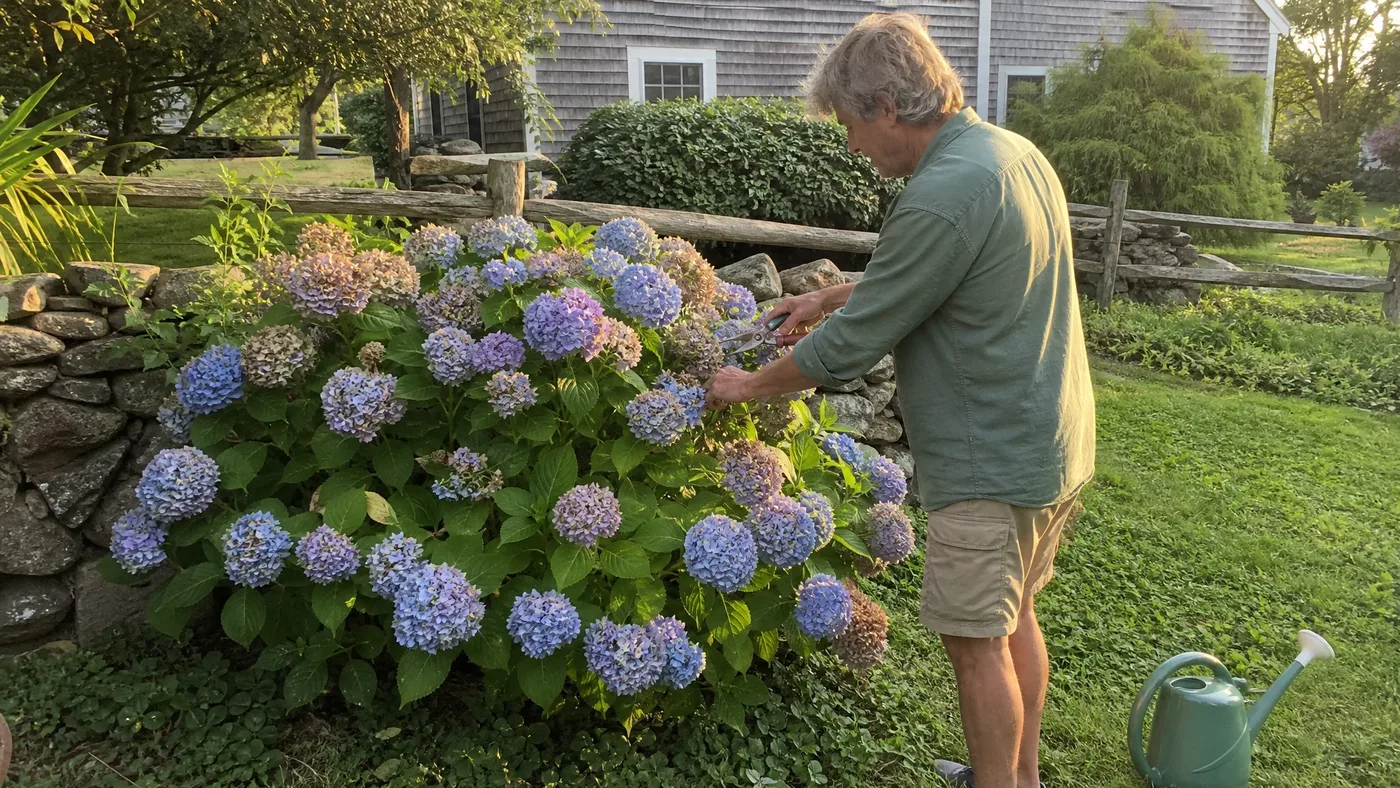
By mid-July the first mopheads on Big Daddy begin to fade. A faded bloom is still attached to the plant and still drawing on it, so the first question each summer is whether to cut it at all. The answer matters because the stem under that bloom is the same stem that will carry next year's flower buds.
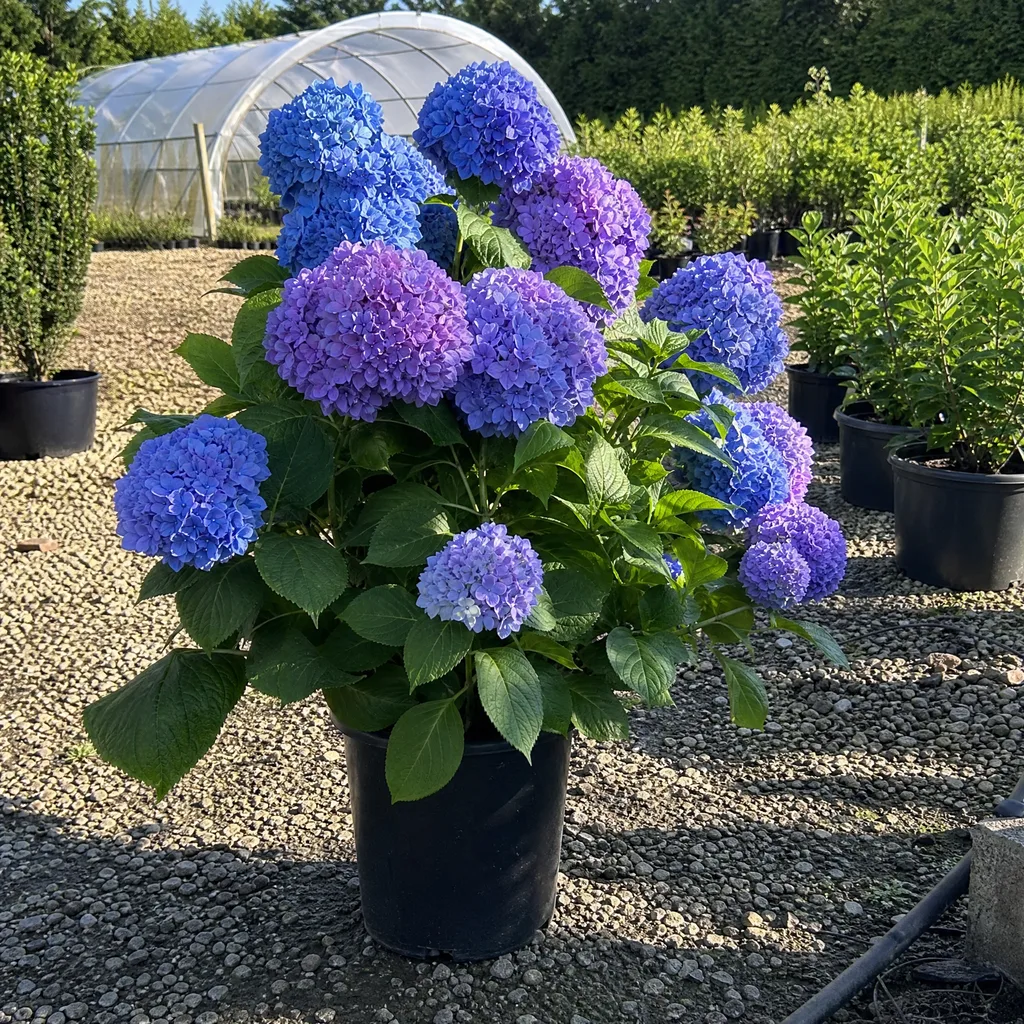
A cut in the right place tidies the shrub and costs you nothing. A cut an inch or two too low can remove next summer's flowers before they ever form.
In this article, we'll go through whether deadheading is worth doing, which week to cut, exactly where the blade goes, and when to leave the dried heads alone. We also separate deadheading from pruning and finish with a month-by-month plan.
Deciding Whether Big Daddy Hydrangea Needs Deadheading
Deadheading is optional, so start by weighing what you gain against what you risk. Both sides are real, and they point to a middle path.
Reasons to Cut Spent Blooms
The case for cutting is mostly about looks and a little about the plant's habits.
Big Daddy carries large mopheads, and once they fade they turn a tired tan, which is hard to ignore on a shrub that flowers from June into July. The University of Maryland Extension says removing faded flowers is not necessary for plant health, though it might speed up reblooming on hydrangeas that can repeat flower. If your plant sends out a second flush, an early cut gives that flush a clean stage.
Reasons to Leave Them Alone
The case for waiting is about the buds you cannot see yet.
Big Daddy forms next year's buds on the stems that carry this year's blooms. Every cut you make is therefore a cut into next year's flowering wood. The dried heads also sit above those buds all winter (more on that below). A shrub with no deadheading at all still grows and blooms.
One of the most common questions we get is whether an uncut Big Daddy is neglected. It is not. It is only less tidy.
The Choice for Your Plant
Here is the decision we recommend, based on how the plant is built.
Deadhead lightly and early, only on the heads that bother you. Stop by the end of July and leave everything that fades after that. This gets you most of the tidiness with almost none of the risk.
Choosing the Week to Cut Spent Blooms
Timing is where deadheading goes wrong, because the plant is already setting buds while the old flowers fade. Two signals set the window.
Read the Fade
Cut a head only once it has clearly finished, not when it is merely past its best.
A finished head has lost its saturated blue, pink or purple (the color depends on your soil, as covered in our bloom color guide) and turns papery or tan to the touch. A head that is only dull but still supple is still working. Wait a few days and check again. The Virginia Tech Extension service lists the main flowering as June and July, so for most growers the first fading heads show up in July. In a cooler climate the whole sequence shifts later, so use your own bloom dates rather than the calendar.
Set the Deadline
The deadline comes from the buds, not from the flowers.
University of Illinois Extension explains that hydrangeas that bloom on old wood begin developing next year's flower buds in August and September, and its advice is to finish cutting by August 1. We treat Big Daddy the same way. After that date, a cut can remove buds that have already started to form.
Your Window
Put the two signals together and the window is short.
Cut each head in the first week or two after it has fully faded, and be finished by August 1. If a head fades after that, leave it. Do one pass per plant rather than snipping every few days, since every return visit is another chance to cut in the wrong place. Dry weather helps too, because open cuts stay cleaner on a dry day.
Picking the Cut Point Above a Bud Pair
Once you know when, decide where. The rule is shallow: you are removing the flower, not shortening the stem.
What a Bud Pair Looks Like
A bud pair is two buds sitting opposite each other at the same point on the stem, called a node.
Follow the stem down from the faded head until you find the first node with two plump, firm buds. Healthy buds are green or reddish and tight. Shriveled, dark or papery buds are dead, so move down to the next pair. The University of Georgia Extension tells readers to cut the flower stalks back to a pair of healthy buds, and that is the whole technique.
The Cut, Step by Step
Work through these steps on each head, using clean bypass pruners.
- Trace the stem from the faded head down to the first node with a healthy bud pair.
- Place the blade about a quarter inch above that pair. The University of New Hampshire Extension recommends cuts one quarter inch above the first set of live buds.
- Cut cleanly in one stroke, angled slightly away from the buds so water runs off them.
- Leave the stem and its leaves intact. The leaves below the cut keep feeding the buds you just uncovered.
Cutting higher leaves a stub that dies back. Cutting lower removes the pair you wanted.
Why Shallow Matters on Big Daddy
The cut stays shallow because of what rides on the stem.
The buds at that first pair, and the stems that grow from them, are where next year's flowers come from. The UGA fact sheet also warns against excessive pruning on bigleaf hydrangeas, since it can diminish next year's flowering. A shallow cut respects that. A deep one trades flowers for neatness.
Leaving Dried Heads on Big Daddy Hydrangea Through Winter
From early fall onward, the better decision is to stop cutting. The dried heads do useful work.
What the Heads Do for the Buds
The buds you protect in fall are the ones that open next June.
The University of Maryland Extension notes that aging flower heads can develop appealing colors and provide winter interest. We think they also shelter the buds below them from the worst of the cold. We have not seen a trial that measures this, so treat it as a practical observation, not a proven figure. In our rows, the stems left capped through winter usually come into spring with fewer dead tips than the ones cut early.
When to Leave Them
The decision follows your climate.
The species is rated for zones 6 to 9. In zone 6 and the colder end of zone 7, leave every head on from the first fall frost until spring. In warmer zones the cold risk is smaller, so the heads matter less, but there is no harm in leaving them. Pair this with the mulching and wrapping steps in our winter care guide.
When to Take Them Off
Wait for the plant to tell you.
In spring, remove the heads once the buds begin to swell and the risk of hard frost is passing. Cut at the first healthy bud pair, as in summer. Any stem tips that died over winter will be obvious by then, and you can trim to live buds in the same pass.
Telling Deadheading From Pruning on Big Daddy Hydrangea
These are two jobs with different goals, and they are easy to confuse because both use pruners. The table below sets them side by side.
| Question | Deadheading | Pruning |
|---|---|---|
| Purpose | Removes spent flowers for looks | Controls size, removes dead or weak stems |
| What comes off | Only the head and a short length of stem | Whole stems, sometimes to the base |
| Usual timing | Soon after the head fades, by August 1 | Right after flowering, or light cleanup in spring |
| Effect on next year's buds | Almost none if the cut stays shallow | Can remove them if done late or too hard |
Why the Difference Matters
The two jobs touch the same buds, but at different scales.
Virginia Tech Extension explains that because the plants flower on old wood, pruning should be done as soon as flowering is finished. Big Daddy sets buds on its old wood, so a hard cut in fall or late winter removes them. Heavy renewal pruning, which takes out most of the old wood, can leave the plant without good flowers for a year or longer while it recovers.
Where to Go for the Full Prune
Deadheading never replaces the annual prune, and the prune never replaces deadheading.
Our guide on when and how to prune Big Daddy covers stem removal, and the section on size in how big Big Daddy gets explains how cutting affects height. If a deadheading cut ever has to be more than a few inches below the head, you have left deadheading and started pruning, so check the calendar first.
Settling Late Flowers on Big Daddy Hydrangea
Sometimes flowers open well after the main flush, in August or later. They raise a fair question, because they are fresh, and a late cut is the riskiest cut of the year.
Decide by Date, Not by Looks
A late flower can look as good as an early one, but the rule is the same for both.
Big Daddy is sometimes described as a plant that can flower again after the first round, but we have not found a source we can verify for a precise rebloom schedule, so we go by when the flowers appear. Anything that fades before August 1 gets the normal shallow cut. Anything that fades after that stays on the plant.
What to Do With Them
Leave late flowers to dry in place.
They become part of the winter cap described earlier, and the stems below them are already forming buds. Do not shear the plant to remove them, and do not cut stems below the heads to get a tidier shape. If you want a late stem for a vase, take it long and cut as you would for any bouquet, but expect it to cost you that stem's flowers next year.
If the Flowers Never Come
A plant with no late flowers and few early ones points to a different problem.
Start with our guide on why Big Daddy is not blooming, which covers frost damage to buds and over-pruning. In our experience, cutting at the wrong time is the cause far more often than any disease.
Your Deadheading Calendar for Big Daddy Hydrangea
Here are the decisions above laid out by month. Shift each row earlier or later to match your own bloom dates, and check with your local extension service for exact frost timing.
| Month | What to do |
|---|---|
| May | Remove last year's dried heads once buds have swollen, cutting at the first healthy bud pair. |
| June | Watch the first flowers open. Do not cut yet. |
| July | Cut heads that have fully faded, a quarter inch above the first live bud pair. Finish by the end of the month. |
| August | Stop cutting. Next year's buds are forming. Leave late flowers on. |
| September and October | Leave all heads in place. Do not shear or tidy. |
| November to February | Leave the dried heads as winter cover. Mulch as described in the winter care guide. |
| March and April | Wait. In colder zones, cut nothing until buds show signs of life. |
If you only remember one row, remember July. It is the only month of the year when cutting spent blooms is both useful and safe.
Cut Early for Tidiness, Leave Late for Protection
Everything in this guide comes down to one rule: cut early for tidiness, leave late for protection. Take faded heads a quarter inch above the first healthy bud pair before August 1, then let every later head stand until the buds swell in spring.
Big Daddy Hydrangea
Nursery-grown Big Daddy Hydrangea in sizes from 3 Gallon, shipped to your door.
From $65.85
Shop Now →Before a plant leaves us, we look over each stem for plump, paired buds and clean tissue, the same buds you will be cutting above next July. As a small business with farms of our own, we would rather hold a plant back than send out one we would not plant ourselves.