How to Plant Big Daddy Hydrangea for a Strong Start
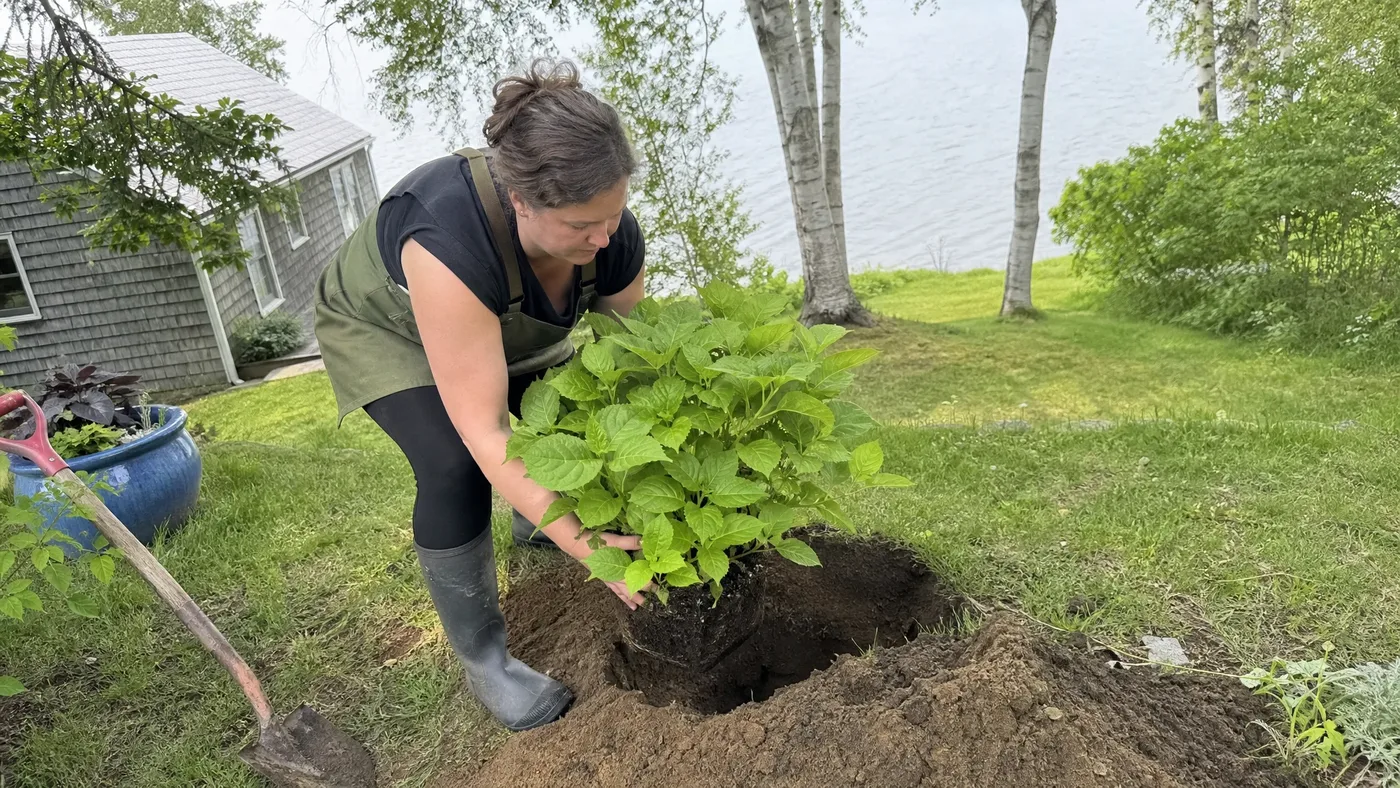
"How deep do I plant my Big Daddy?" Customers ask us this more than anything else. Set the top of the root ball level with the ground, or a hair above it. Burying the crown is the mistake we see most, and it slowly rots a shrub that should be handing you big, rounded flower heads in early summer.
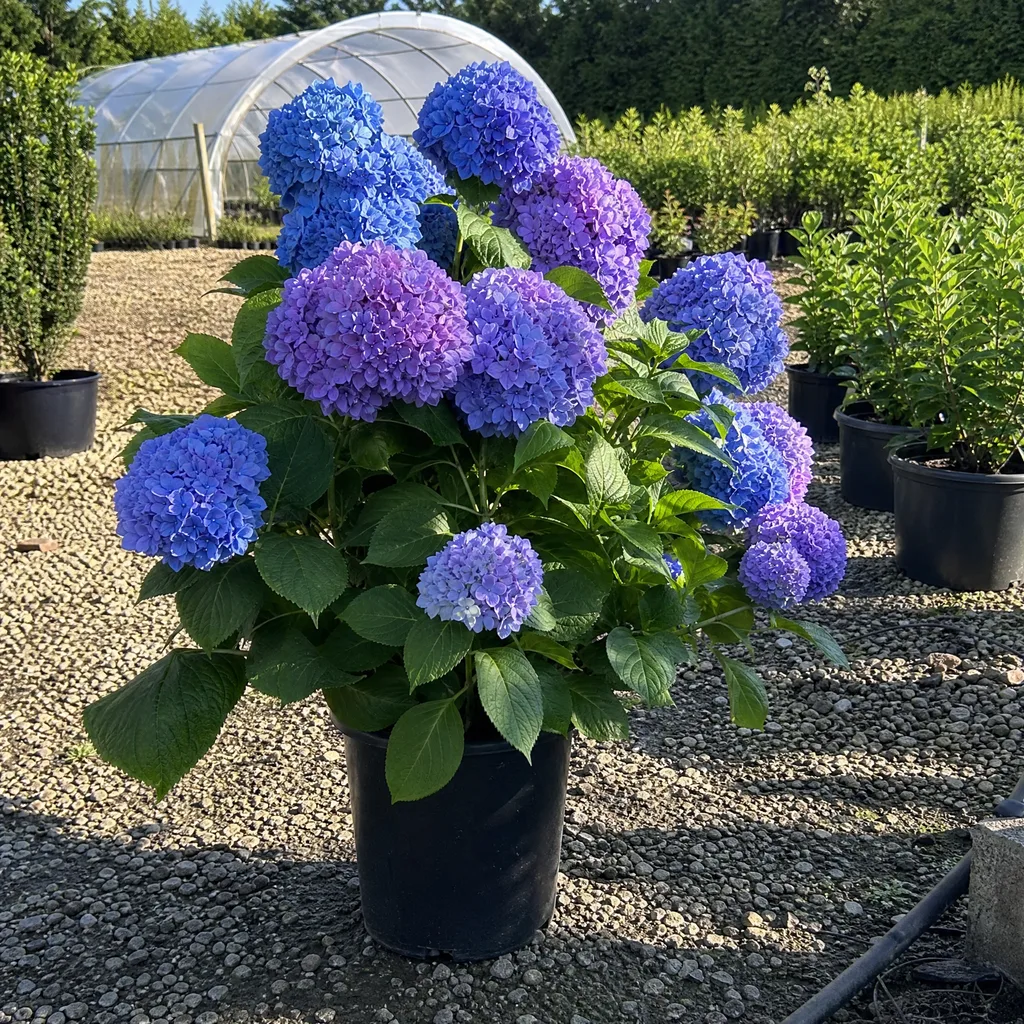
This article talks about planting Big Daddy Hydrangea from the first dig to the first bloom and answers the questions customers ask us most. Read on to learn how to pick the right spot and season, test and prepare the soil, set the plant at the right depth, mulch and water it, and what the first few years look like.
Get it right and you will have blue or pink mopheads the size of softballs against deep green leaves. Get it wrong and the plant sulks for years.
Planting Big Daddy at the Right Depth
Depth matters more than any other choice you make on planting day. Here is what we see most often and what we tell customers to do instead.
Planting Too Deep or Too Shallow. Both cause problems. Too deep buries the crown and rots it, and too shallow leaves roots exposed to drying wind and temperature swings. The top of the root ball should sit level with the ground surface, not below it.
You will hear advice to plant hydrangeas a little deep so the roots stay cool and moist. We don't follow that for Big Daddy. A mulch collar keeps the roots cool without burying the crown. In our rows, the plants that sulk after planting are almost always the ones set an inch or two too low. Step 5 below shows exactly how to set the height.
Pick the Spot, the Season and Your Gear
Decide where and when before you pick up a spade. Big Daddy forgives a lot, but it does not forgive hot afternoon sun or a crowded spot.
Spacing and Light Requirements
Space Big Daddy Hydrangea plants 5-6 feet apart to allow for their mature size. Crowding plants leads to poor air circulation, which invites disease. If a shrub outgrows its spot, you can still move an established plant.
Place your plant where it receives morning sun and afternoon shade. This is the sweet spot: enough light to produce robust flowering, but enough shade to prevent afternoon wilting in hot climates.
In coastal gardens and zones 6-7, the plant tolerates more sun if you provide consistent moisture. In zones 8-9, afternoon shade is essential to prevent stress.
Extension sources say the same thing: protect it from afternoon sun. Our sun requirements guide covers the details by zone.
Avoid planting directly under trees that drip constantly or create dense shade. Flower buds form on last year's stems, so a plant that is starved of light in summer pays for it with fewer blooms the next year.
Best Planting Season and Materials
The best time to plant Big Daddy Hydrangea is either spring or fall. Spring planting gives the root system time to establish before summer heat and flowering, while fall planting allows roots to settle through winter and emerge ready to grow when warmth returns.
Spring is generally easier for beginners because you can monitor the plant closely through its first growing season. If you plant in fall, mulch heavily around the base to protect the roots through winter, especially in zones 6 and 7 where temperatures drop below freezing.
Avoid planting in summer or in late fall, as the plant won't have adequate time to anchor itself before stress sets in. When to plant hydrangea macrophylla matters most during these predictable seasons, not during the heat or cold extremes.
Gather these materials before you dig:
- Spade or shovel
- Well-draining soil or aged compost
- Peat moss or coco coir (optional, to increase acidity if growing for blue blooms)
- Mulch: hardwood chips or shredded bark, 2-3 inches deep
- Soil pH test kit (inexpensive, worth the investment)
- Watering can or garden hose with spray nozzle
- Work gloves
- Landscape fabric or cardboard (optional, for weed suppression)
If you're planting in a container, you'll also need a large pot (at least 18 inches deep and wide) with drainage holes and a saucer to catch excess water.
Test and Prepare the Soil
Soil decides both how well your Big Daddy roots in and what color it blooms. Our soil and amendment guide goes further, and these three steps cover what matters on planting day.
You can steer bloom color with soil chemistry. In relatively acid soil, about pH 5.0 to 5.5, flowers turn blue, and above roughly pH 6.0 to 6.5 they turn pink. Between pH 5.5 and 6.5 you get purple, or a mix of blue and pink on the same plant. Soil pH controls whether the plant can absorb aluminum, which blue pigment needs. Our bloom color guide covers this in full.
Step 1: Test Your Soil
Before digging, test your soil pH. A simple kit from a garden center or your local cooperative extension will tell you whether your soil is acidic, neutral, or alkaline. This information guides your prep work. If you're aiming for blue blooms and your soil tests above pH 6, you'll want to amend it. If you prefer pink blooms and your soil is naturally acidic, you can still plant but expect purple rather than true pink flowers unless you raise the pH.
Ignoring Soil pH if You Want Blue Blooms. You cannot force true blue flowers on naturally alkaline soil without ongoing amendment. If blue is your goal when planting Big Daddy Hydrangea, test your soil first and amend if needed. Even with amendment, expect purple blooms in the short term until the pH stabilizes. This is completely normal.
Step 2: Prepare the Planting Hole
Dig a hole twice as wide as the root ball and just as deep. If your nursery-grown plant arrives in a quart, #1, or #3 container (common sizes), the hole should accommodate that root mass comfortably. Loosen the soil in the bottom and sides of the hole to a depth of 12 inches or more. This lets roots penetrate the surrounding soil more easily and reduces the barrier between the root ball and native soil.
Step 3: Amend the Soil (Optional But Recommended)
Big Daddy Hydrangea wants rich, humusy, well-drained soil with good organic matter. If your native soil is heavy clay or pure sand, mixing in aged compost or peat moss improves both structure and water retention. Add about 1 part amendment to 2 parts native soil in your planting hole, blending it thoroughly.
If you tested acidic soil and want deeper blue flowers, mix peat moss into the hole at a 1:1 ratio with native soil. If you tested alkaline soil and still want to try for blue (knowing you may get purple instead), add peat moss but understand that the native soil's pH will moderate the effect over time. Container-grown Big Daddy Hydrangea needs no soil amendment. Just fill the pot with a high-quality potting mix that retains moisture without staying soggy.
Planting Big Daddy Hydrangea Step by Step
With the soil ready, the planting itself goes quickly. Work through these steps in order and pay the most attention to Step 5.
Step 4: Remove the Plant from Its Container
Water the plant thoroughly the day before planting. When you're ready to plant, gently tip the container sideways and slide the plant out. If it's root-bound (roots circling densely), carefully loosen the root mass by hand or make three or four vertical cuts along the outer roots with a clean knife. This encourages roots to grow outward into the surrounding soil rather than continuing to circle.
Step 5: Position the Plant
Place the plant in the hole so that the top of the root ball sits at or just slightly above ground level. The soil line on the stem should align with the ground. Planting too deep smothers the crown and invites root rot, and planting too shallow leaves roots exposed. Step back and make sure the plant sits upright and centered in the hole.
Step 6: Backfill and Firm the Soil
Fill the hole with your amended soil mixture, pressing gently as you go to eliminate large air pockets. Don't stomp hard or compress the soil excessively, as this reduces pore space and water infiltration. Water thoroughly after backfilling to settle the soil and eliminate remaining air gaps. The plant should feel stable but not buried.
Step 7: Mulch the Bed
Spread 2-3 inches of mulch (hardwood chips, shredded bark, or similar) in a circle around the plant, keeping it a few inches away from the stem. Mulch moderates soil temperature, conserves moisture, and suppresses weeds. Do not pile mulch against the stem itself, as this traps moisture and can cause stem rot.
Step 8: Water Deeply
Water the plant slowly and deeply, allowing water to soak to the full depth of the root ball and into the surrounding soil. Big Daddy Hydrangea wants consistently moist soil, never soggy or bone-dry. In the first growing season, plan to water deeply at least once a week unless rain has fallen. Adjust based on your climate and soil: sandy soils drain quickly and need more frequent water, while clay soils retain it longer.
First-Year Care for a New Big Daddy
The first season is about steady moisture, light feeding and a hands-off approach to pruning. Our watering guide has more on reading the plant between waterings.
For the first season, check soil moisture twice a week by pushing your finger 2 inches into the soil. If it feels dry, water. Your goal is to keep it consistently moist without waterlogging. In cooler climates, reduce watering frequency in late summer to help the plant harden off before winter.
Overwatering or Underwatering. Hydrangeas are thirsty shrubs, but they don't want wet feet. Soggy, poorly drained soil causes root rot within weeks. If your soil drains so fast that the plant wilts between waterings, amend with compost to increase water retention. Finding the balance takes a few weeks of observation in the first season.
Newly planted Big Daddy Hydrangea rarely needs fertilizer in the first year. The compost or peat added at planting provides nutrients. In early spring of the second year, you can apply a balanced fertilizer or one formulated specifically for hydrangeas. Follow package directions and avoid over-fertilizing, which promotes soft growth susceptible to winter damage.
Do not prune the plant in its first year beyond removing any visibly dead or damaged stems. The best time to prune Big Daddy Hydrangea is immediately after flowering finishes, usually in July or August. This timing preserves next year's flower buds. Heavy pruning in late summer, fall, or winter removes those buds and results in fewer or no blooms the following year.
You will also hear advice to cut hydrangeas back hard in late winter. We don't follow it for Big Daddy, because the buds are already sitting on last year's stems.
What to Expect From Big Daddy in the First Years
Here is the timeline we give customers once the shrub is in the ground. It covers size, bloom timing and the color shifts you may notice.
Big Daddy Hydrangea, botanically Hydrangea macrophylla 'Big Daddy', is a deciduous shrub hardy in USDA zones 6 to 9. It is sometimes sold as Big Daddy Bigleaf or Big Daddy Mophead Hydrangea. The large, coarse-textured dark green leaves carry big mophead flower heads from early summer on.
Expect quick growth. The species rapidly grows into a multi-stemmed shrub, and Big Daddy usually settles at about 5-6 feet tall and wide, the upper end of the species range. That often takes three to five years. That vigor also lets us make new plants from softwood cuttings.
Bloom timing varies by region. Flowers are mostly produced in June and July, so in cooler zones 6-7 look for the first heads in mid-to-late June. In zones 8-9 they can open earlier and carry on later into summer.
Customers usually ask us whether a plant that skips blooms in year one is failing. It isn't. Newly planted hydrangeas often put their energy into roots before flowers. Many plants bloom within 1-2 years of planting, and once established, flowering becomes reliably abundant.
Flower color may shift slightly in early years as soil pH gradually stabilizes. A plant you intended to be blue might appear lavender at first, then deepen to blue as the soil becomes consistently more acidic. This is normal and does not indicate a problem with the plant.
For detailed ongoing care after planting, see our complete growing guide for Big Daddy Hydrangea.
Quick Reference Checklist
Use this table as a planting-day checklist. It pulls the timing and key numbers from every step above into one place.
| Task | Timing | Notes |
|---|---|---|
| Test soil pH | Before digging | Determines flower color and amendment needs |
| Dig planting hole | Planting day | 2x width, 1x depth of root ball |
| Amend soil (optional) | Before planting | Peat moss for blue blooms, compost for structure |
| Plant Big Daddy Hydrangea | Spring or fall | Crown level with ground, backfill gently |
| Space plants | Before planting | 5-6 feet apart for mature size |
| Apply mulch | Immediately after planting | 2-3 inches deep, 3 inches away from stem |
| Water deeply | Planting day and weekly, first year | Keep soil consistently moist, never soggy |
| Monitor soil moisture | Summer, weeks 2-8 | Check 2 inches down twice weekly |
| First-year pruning | Avoid until year 2 | Remove only dead stems if necessary |
| Fertilize (optional) | Early spring, year 2 onward | Use balanced or hydrangea-specific formula |
| Expect first blooms | 1-2 years after planting | May be lavender until soil pH stabilizes |
| Reach mature size | 3-5 years | 5-6 feet tall and wide |
Plant Big Daddy Level and Give It Time
Set the crown level with the soil, give it morning sun and afternoon shade, keep the soil evenly moist, and leave the pruners alone in year one. Those few habits prevent most of the trouble we hear about, and they set up a shrub that blooms heavily for years.
Big Daddy Hydrangea
Nursery-grown Big Daddy Hydrangea in sizes from 3 Gallon, shipped to your door.
From $65.85
Shop Now →We are a small business, and we grow top-quality shrubs on our own farms. Our growers watch their Big Daddy plants all year, from spring frost on new growth to afternoon wilt in July, and that is where these tips come from.