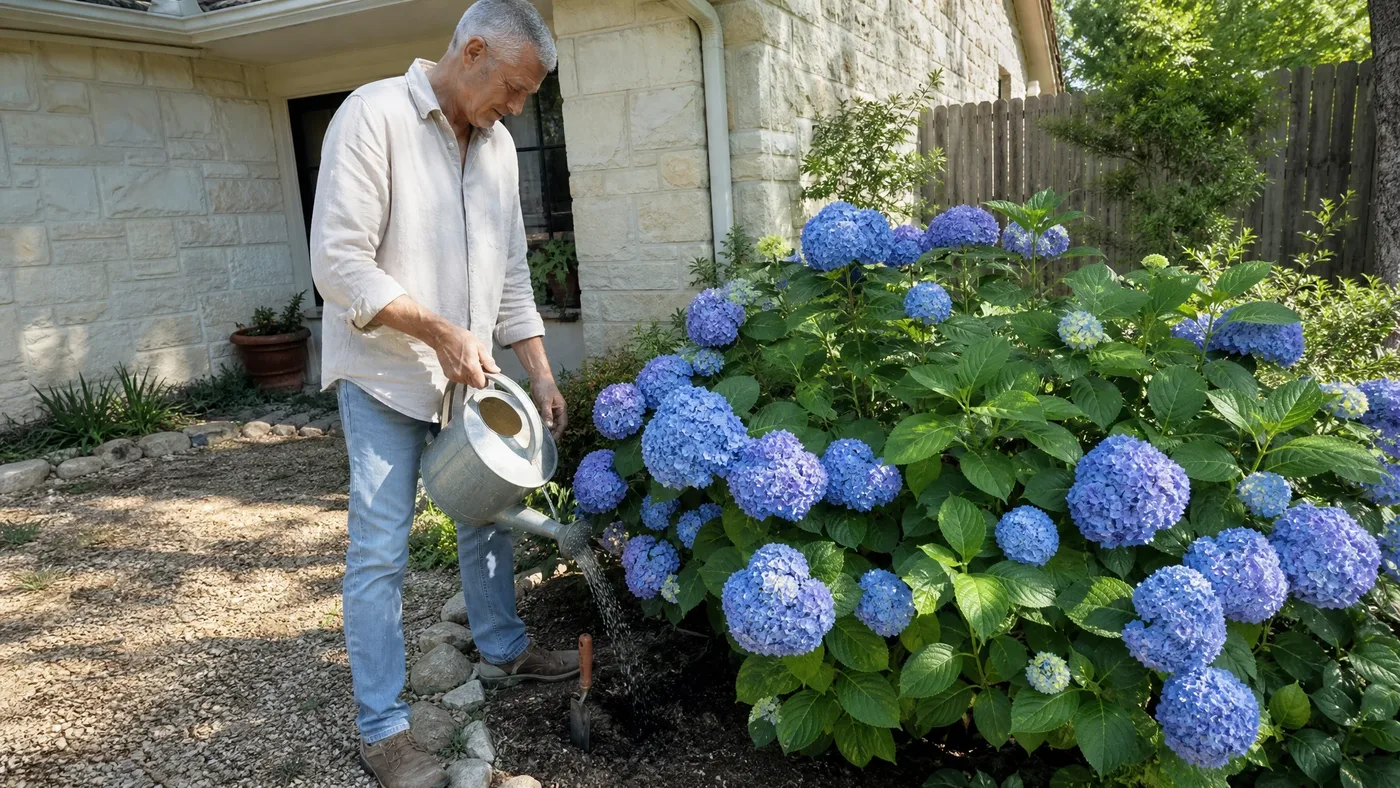
Watering Big Daddy Hydrangea: A Complete Guide
How often should you water a Big Daddy Hydrangea? Water deeply once or twice a week in spring and fall, and twice a week in summer, and push a finger into the soil first. That is the short answer, and it is the one we give customers most often.
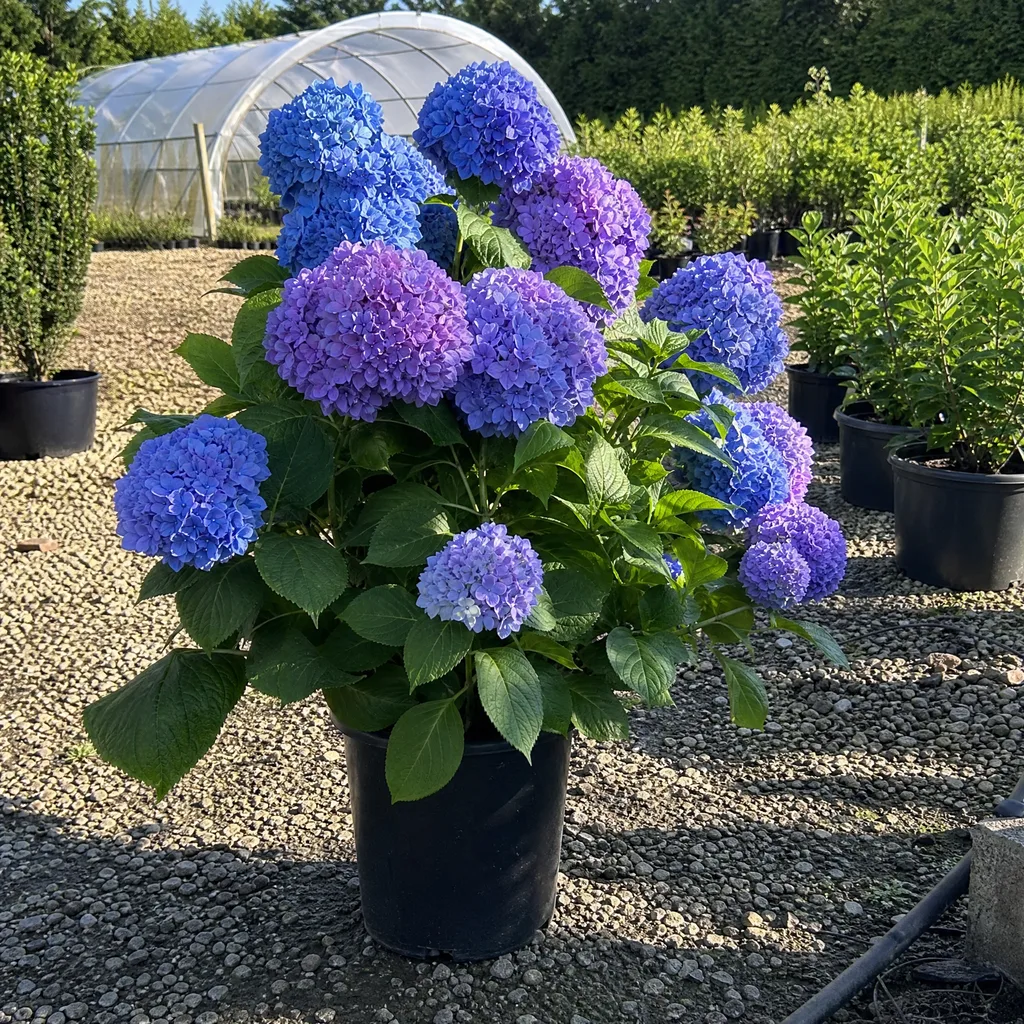
Big Daddy has big, soft leaves and heavy flower heads, so it tells you fast when it's dry. Water it badly and the leaves droop, the buds brown, and the blooms come in small. Water it well and you get those full heads glowing in midsummer.
This article talks about watering Big Daddy through the year and answers the questions customers ask us most. Read on to learn the step-by-step method, the season-by-season schedule, the signs of too little and too much water, and the mistakes we see most often.
How Much Water Big Daddy Hydrangea Needs
Before you pick a schedule, it helps to know what this plant expects from its soil and its site. Three things set the pace: moisture, climate and light.
Big Daddy Hydrangea has low drought tolerance. The plant wants consistently moist soil, never bone-dry and never waterlogged. Think of it this way: the soil should feel like a wrung-out sponge, not a wet swamp and not dusty.
One of the most common questions we get is whether a drooping Big Daddy is thirsty. Often it is, but the soil check later in this guide tells you for sure.
Big Daddy is hardy in USDA zones 6 through 9, and watering demands shift with your climate. In cooler regions with more rainfall, you may water less frequently. In hot, dry climates or during summer heat waves, you'll water more often. The key is matching your local conditions to the plant's needs.
The species grows 3 to 6 feet tall and wide at maturity, and Big Daddy's large, coarse-textured leaves lose moisture quickly, especially in afternoon sun. We tell customers to give it morning sun and protect it from afternoon sun. You can read more in our sun requirements guide. It can tolerate more sun in cooler or coastal climates, but only with consistent moisture. Afternoon sun without adequate water causes wilting and stress.
How to Water Big Daddy Hydrangea: Step-by-Step
The method matters more than the calendar. Gather a few simple tools, then follow the steps in order each time you water.
Materials You'll Need
You don't need much equipment, and most of it you probably own already.
- A soaker hose or drip irrigation system (preferred)
- A watering can with a gentle spout, or a garden hose with a spray nozzle
- A soil moisture meter or your finger for testing soil
- Mulch (2 to 3 inches of bark or wood chips)
Watering Steps
Work through these six steps once, and the routine becomes automatic within a couple of weeks.
- Check the soil before watering. Push your finger 2 inches into the soil near the plant base, away from the stem. If the soil feels dry at that depth, it's time to water. If it feels moist, wait another day or two and check again.
- Water at the base of the plant. Direct water to the soil, not the foliage. Wet leaves are more susceptible to fungal diseases like Cercospora leaf spot. Use a soaker hose or drip line if possible, as these deliver water slowly and steadily to the root zone.
- Water deeply and slowly. Apply water until the top 6 to 8 inches of soil are moist. This encourages deeper root development. Shallow, frequent watering keeps roots near the surface and makes the plant more sensitive to dry spells.
- Check for runoff. If water runs off the surface before soaking in, pause, let the area absorb what's applied, then continue. Compacted soil or a hydrophobic layer may resist initial wetting. Adding organic matter to the soil (compost, peat moss, or aged bark) improves water penetration.
- Apply mulch around the base. Spread 2 to 3 inches of bark mulch in a ring around the plant, keeping it a few inches away from the stem to prevent rot. Mulch retains soil moisture and moderates soil temperature, reducing your watering frequency and stress on the plant.
- Water consistently. Establish a regular schedule. Most Big Daddy Hydrangeas in average garden conditions need watering once or twice weekly during the growing season, depending on rainfall, temperature, and soil type. In peak summer heat, twice weekly is common. After a rain, skip watering unless the rain was light and brief.
There is a piece of common advice we don't follow: misting or sprinkling the whole shrub at midday to cool down wilting leaves. It wets the foliage, invites leaf spots, and the water barely reaches the roots. If a plant wilts in afternoon heat, we leave it alone and check it again in the evening. If you grow Big Daddy in a pot, our guide to containers and pots covers how its watering differs.
Seasonal Watering Schedule for Big Daddy
Big Daddy Hydrangea's watering needs change throughout the year. Here's how to adjust:
Spring (April to May)
As new growth emerges and air temperatures rise, increase watering frequency. The plant is leafing out and budding, which demands moisture. Water deeply once or twice weekly, depending on rainfall and whether your region has spring showers. In drier springs, lean toward twice weekly. Mulch if you haven't already.
Summer (June to August)
This is peak watering season. Flowers come mostly in June and July, and the plant is producing blooms and holding dense foliage, both water-intensive jobs. In most climates, water twice weekly. During heat waves or in sandy soil, daily watering may be necessary. Morning watering is ideal, allowing foliage to dry and reducing disease risk.
Fall (September to October)
As temperatures cool and growth slows, reduce watering frequency. The plant is transitioning to dormancy and needs less moisture. Water once weekly unless it's unusually hot or dry. This is not the time to fertilize, as it can stimulate tender new growth vulnerable to frost.
Winter (November to March)
The plant is dormant and leafless. Water only occasionally to keep the soil from drying out completely. Once every 2 to 3 weeks is usually sufficient, unless your region is experiencing a severe drought. In colder zones, winter precipitation often provides enough moisture. Do not water after a frost, as this can damage dormant buds.
Reading Your Big Daddy: Too Dry or Too Wet
Wilting looks the same whether the cause is too little water or too much. This section helps you tell which one you have and what to do about it.
Signs Your Big Daddy Needs Water
Underwatering is less common with Big Daddy than overwatering, but it happens, especially in hot climates or sandy soils. Watch for these signs:
- Leaves look limp or droopy, even in the cool of morning
- Leaf edges turn brown or papery
- Leaves feel thin and curl slightly
- Flower buds fail to open or flowers fade quickly
- Soil pulls away from the pot edge (container plants)
When you see these symptoms, water immediately and deeply. Then reassess your watering schedule. You may need to water more frequently or apply more water per session.
Signs of an Overwatered Hydrangea
Underwatering and drought stress, not overwatering, are the usual cause of Big Daddy Hydrangea decline. Soggy soil suffocates roots, leading to root rot and fungal disease. Signs of overwatering include:
- Leaves turn yellow or pale and feel soft
- Stems become mushy or black at the base
- Soil stays wet for days after watering
- A sour or fermented smell from the soil
- Leaf spots appear frequently
If you suspect overwatering, stop watering immediately and check the soil. If it's soggy, allow it to dry out somewhat before watering again. Improve drainage by adding compost and bark to enrich the soil. If the plant is in a pot with no drainage holes, repot it into a container with drainage.
Troubleshooting a Drooping Big Daddy
If your Big Daddy Hydrangea is drooping or wilting, water is almost always the culprit. But determining whether the plant is underwatered or overwatered requires a soil check.
If the soil is dry: The plant is underwatered. Water immediately and deeply. Place a soaker hose at the base and let it run for 20 to 30 minutes, or use a watering can to apply 1 to 2 gallons of water, depending on plant size. Recovery typically happens within a few hours if the plant hasn't suffered severe stress.
If the soil is wet or soggy: The plant is overwatered or the drainage is poor. Stop watering and allow the soil to dry out somewhat. If the pot has no drainage hole, repot immediately into one with drainage. If the plant is in the ground in clay soil, don't water again until the top inch of soil is dry. Improve the soil by mixing in 2 to 3 inches of compost and mulch.
If wilting happens in hot afternoon sun: Even adequately watered plants can wilt temporarily in intense heat, especially in afternoon. This is natural stress, not drought. The plant typically recovers in the cool of evening. However, if it doesn't recover overnight, or if it wilts even in morning, then you have a water problem to address.
Root rot from prolonged wetness is irreversible and will kill the plant. Prevention is far simpler than cure. Stick to consistent but not excessive watering, use well-draining soil, and apply mulch to buffer soil moisture.
For more detailed care information, including pruning and fertilizing, visit the complete growing guide.
Common Watering Mistakes and How to Avoid Them
These are the five mistakes we hear about most from customers. Each one is easy to fix once you spot it.
Mistake 1: Shallow, frequent watering. Sprinkling lightly every day trains roots to stay near the surface. When hot weather arrives, these shallow roots dry out quickly, and the plant wilts. Water deeply and less frequently instead. This builds resilience.
Mistake 2: Watering on a fixed schedule regardless of rain. If your area receives half an inch of rain in a week, that may be enough for Big Daddy. Watering on top of that can lead to overwatering. Always check the soil before watering, especially during rainy seasons.
Mistake 3: Watering in the evening. Evening watering leaves foliage wet overnight, creating conditions for fungal diseases. Water in early morning instead, when foliage can dry quickly.
Mistake 4: Using softened water or heavily chlorinated water. If your tap water is treated with salt (from a water softener) or is heavily chlorinated, consider using collected rainwater for Big Daddy. Chlorine evaporates quickly, but salts can accumulate in the soil over time. For container plants, this buildup is especially problematic.
Mistake 5: Ignoring soil type. Clay soil holds moisture longer than sandy soil. If your Big Daddy is in dense clay, water less frequently than if it were in sandy loam. Always amend the planting hole with compost or aged bark to improve structure and drainage.
For help choosing a healthy plant and understanding what to look for at the nursery, see the buying guide.
Quick Reference: Big Daddy Hydrangea Watering Checklist
Use this table as a quick reminder of timing, depth and warning signs. It pulls together everything above.
| Condition or Task | Timing or Frequency |
|---|---|
| Check soil moisture before watering | Always, push finger 2 inches into soil |
| Spring watering (Apr-May) | Once to twice weekly |
| Summer watering (Jun-Aug) | Twice weekly, daily in heat waves |
| Fall watering (Sep-Oct) | Once weekly |
| Winter watering (Nov-Mar) | Every 2 to 3 weeks, or with precipitation |
| Mulch application and depth | 2 to 3 inches, kept a few inches from stem |
| Soil moisture target | Moist but not waterlogged, like a wrung-out sponge |
| Watering depth | Top 6 to 8 inches of soil saturated |
| Water application method | Soaker hose or drip line at base, avoid foliage |
| Best time to water | Early morning |
| Signs of underwatering | Drooping leaves, brown leaf edges, rapid wilting |
| Signs of overwatering | Yellow soft leaves, mushy stems, soil stays wet |
Keeping Big Daddy Hydrangea Steady Through the Year
Water Big Daddy deeply, at the base, in the morning, and only after the finger test says the soil is drying. Mulch to hold the moisture, adjust with the seasons, and treat midday wilting in heat as a signal to check, not to sprinkle. Steady moisture is what turns those big leaves into heavy, full flower heads.
Big Daddy Hydrangea
Nursery-grown Big Daddy Hydrangea in sizes from 3 Gallon, shipped to your door.
From $65.85
Shop Now →Our growers walk the rows all year, checking soil before leaf-out, watching for midsummer droop and easing off as fall cools. We are a small business with our own farms, and we grow and sell top-quality shrubs like Big Daddy that are ready to settle into your garden.