Big Daddy Hydrangea Hardiness Zones: Where Will It Grow?
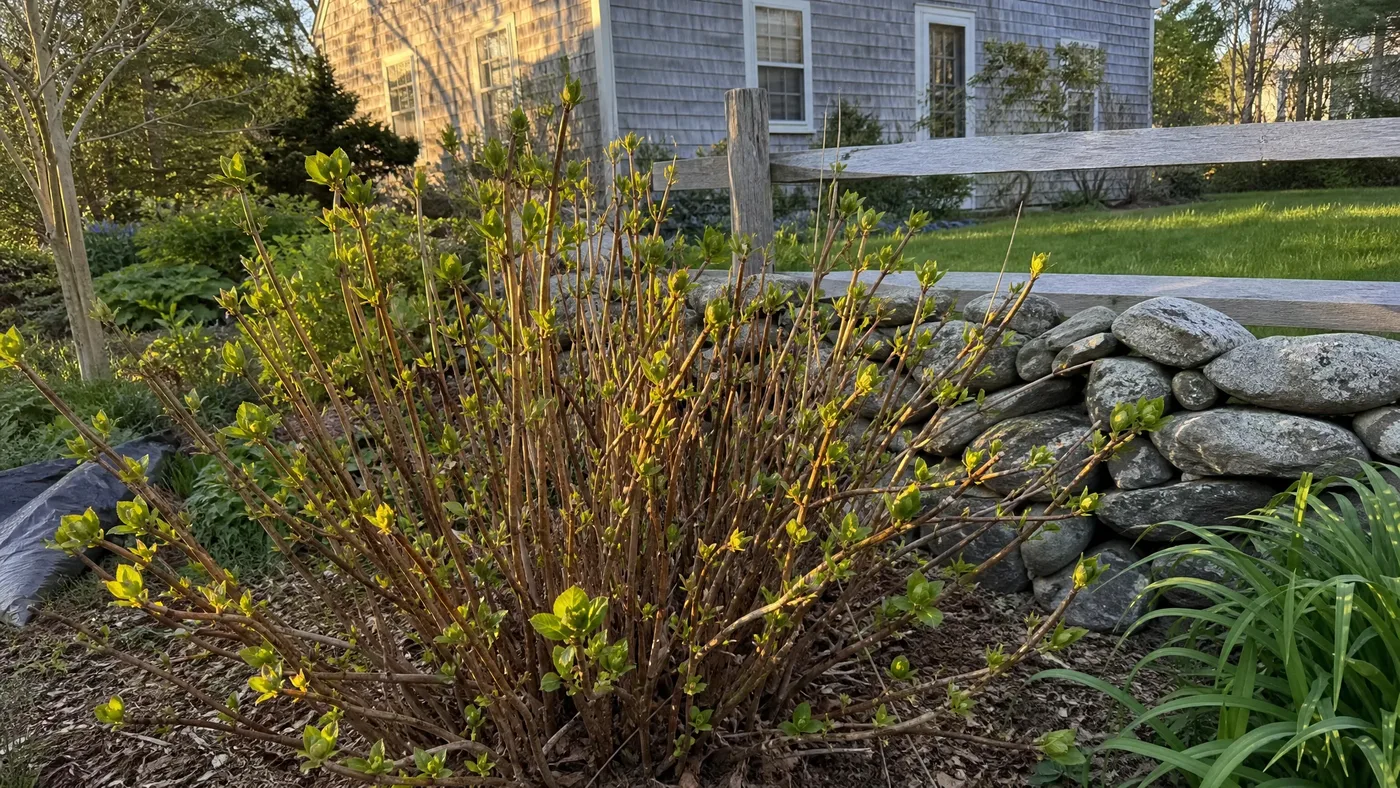
Every spring we watch the same thing in our rows. Big Daddy leafs out first on the warm side of the block, and a hard frost in May blackens the soft new growth while the plants shrug off the winter. The cold that worries people isn't the cold that costs them blooms.
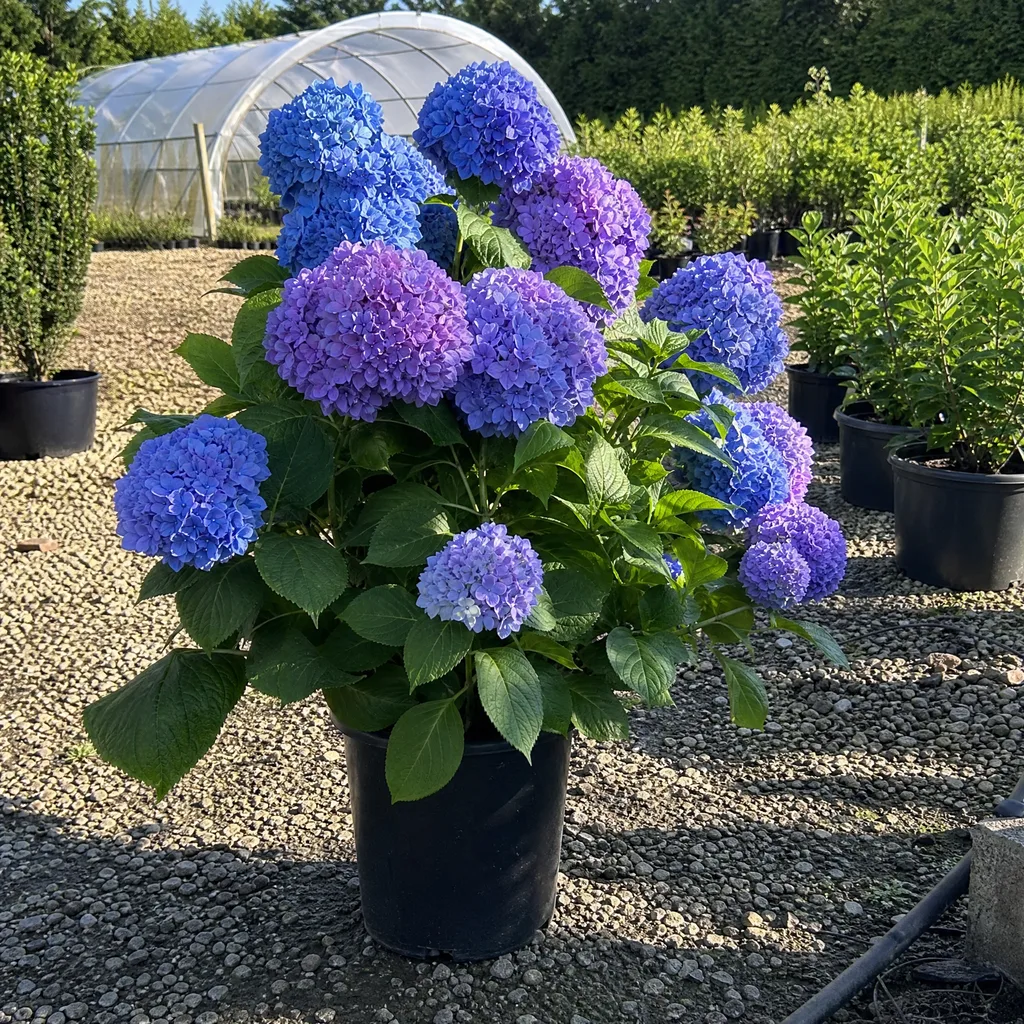
Big Daddy is hardy in USDA zones 6 to 9. Sited well, it rewards you with big, dense heads of blue or pink that open in June and July. Sited badly, it wilts every hot afternoon or leafs out and never flowers.
This guide covers everything you need to know about growing Big Daddy by zone, from winter protection and spring frost to summer shade, regional fit and container care.
Is Big Daddy Hydrangea Right for Your Zone?
Start with the quick decision. In zones 6 and 7, pick a frost-smart site. In zones 8 and 9, plan on afternoon shade and steady water. Colder or hotter than that, you need a different approach, and the sections below walk through each step.
Is Big Daddy Hydrangea cold hardy?
Yes, Big Daddy Hydrangea is quite cold hardy. The plant is deciduous, dropping its leaves each fall to enter dormancy, which allows the woody stems to withstand freezing temperatures without protection. The real challenge for cold-zone gardeners is not winter stem survival but protecting flower buds from unexpected spring freezes.
Can Big Daddy Hydrangea grow in zone 9?
Yes, Big Daddy Hydrangea thrives in zone 9 where winter lows rarely drop below 20°F. In zone 9, the focus shifts from frost protection to managing afternoon heat and ensuring consistent soil moisture during hot summers, since the plant tolerates more sun in cooler climates but prefers afternoon shade in warmer regions.
What if you garden in zone 5?
Big Daddy is not reliably hardy in zone 5, where winter lows can fall to minus 20°F. Grow it in a large container and move it into an unheated shed or garage for the winter. Potted roots are more exposed than in-ground roots, so a container plant needs extra care, which we cover near the end of this guide.
Can Big Daddy Hydrangea grow in zone 10?
Big Daddy Hydrangea is not rated for zone 10, which exceeds its hardiness range. If you live in zone 10, check with your local extension service to determine whether your specific microclimate, elevation, or proximity to coastal influence might allow it to perform like a zone 9 plant.
Find Your Zone and Read Your Site
Two quick checks save a lot of plants. First confirm your zone, then walk the yard and look for warm spots and cold pockets.
Look up your zone
Use the USDA Plant Hardiness Zone Map at planthardiness.ars.usda.gov to look up your zone by entering your postal code or coordinates. Big Daddy Hydrangea grows in zones 6 through 9, so verify your zone before purchasing a plant or committing garden space to this shrub.
Walk your yard for microclimates
A microclimate is a small garden area with conditions that differ from the broader neighborhood, such as a south-facing wall that stays warmer or a low-lying frost pocket where cold air settles. Success with Big Daddy Hydrangea depends partly on site selection within your zone. Choose a location sheltered from harsh wind, with part shade and consistently moist, well-drained soil.
What happens if I plant Big Daddy Hydrangea in the wrong zone?
Planting outside the zone 6 to 9 range risks winter damage or plant death. Zone 5 winters will likely kill above-ground stems, and zone 10 heat without afternoon shade and consistent moisture may cause permanent wilting and decline. When in doubt about your zone, consult your local cooperative extension service before planting.
Protect Big Daddy Through Winter
The woody stems handle winter on their own, so your job is small. Mulch the roots and keep the shears away. Some guides tell you to cage the plant in burlap and straw every fall, and we don't.
Do I need to wrap or protect Big Daddy Hydrangea in winter?
In zones 6 and 7, winter wrapping is usually unnecessary because the woody stems are fully cold hardy. Applying 2 to 3 inches of organic mulch around the base in late fall provides root-zone insulation and improves soil structure, but avoid wrapping the entire plant as this traps moisture and encourages disease.
How much mulch should I apply for winter protection?
Apply 2 to 3 inches of shredded bark, compost, or well-aged leaf mold around the base of Big Daddy Hydrangea before winter sets in. Pull the mulch back a few inches from the stems to prevent rot at the crown, and refresh it annually as it decomposes and enriches the soil.
Should I prune Big Daddy Hydrangea before winter?
Hold the shears from late summer through winter. Big Daddy blooms on the previous year's growth, so a fall or winter cut removes next season's flowers. We also skip the late winter tidy-up that many guides recommend. Prune right after the June and July flush ends, and see our pruning guide for the cuts. Smooth and panicle types bloom on new wood and tolerate harder cuts.
Guard Flower Buds From Spring Frost
Frost damage shows up as brown, shriveled bud tips or a bush that leafs out but never flowers. One of the most common questions we get is whether zone 6 is too cold. It isn't, since winter lows there run from minus 10°F to 0°F. A freeze in May is the real risk, and these steps protect the buds.
Why does Big Daddy Hydrangea lose flower buds in spring?
Late spring frosts are the primary cause of flower bud loss, especially in zones 6 and 7 where freezing temperatures can occur through May. The flower buds developed the previous summer harden over winter but can be damaged or killed when spring temperatures suddenly drop below freezing. This remains one of the most common complaints among zone 6 gardeners.
Can I protect my Big Daddy Hydrangea from late spring frost?
If a hard frost threatens when buds are swelling or leaves are emerging, you can cover the plant with frost cloth or burlap overnight. More effective long-term is choosing a planting site on a slope or elevated area where cold air naturally drains away, rather than a frost-prone low-lying pocket.
Do I need to worry about frost in zone 9?
Zone 9 gardeners rarely encounter damaging spring frosts, so this is a significantly lower concern than for zone 6 or 7 growers. If your zone 9 location is coastal or at elevation, check your local frost dates to understand your specific microclimate.
Manage Summer Heat and Sun by Zone
Big Daddy carries large leaves and heavy flower heads, and both lose water fast on a hot day. Sun placement and watering decide how it handles summer in your zone.
Does Big Daddy Hydrangea tolerate heat well in zone 9?
Big Daddy Hydrangea has low drought tolerance, and in zone 9 it requires afternoon shade and consistently moist soil to prevent wilting during intense summers. Although the plant tolerates more direct sun in cooler climates with reliable moisture, afternoon shade is essential in zone 9 to reduce water stress on hot days. We see the same pressure in Florida and Texas summers.
Will Big Daddy Hydrangea wilt in zone 8 summers?
Big Daddy Hydrangea can wilt in hot afternoon sun if soil becomes dry, even in zone 8. Plant it in part shade with morning sun and afternoon shade, and maintain consistent soil moisture through regular watering. For detailed moisture management strategies, read our watering guide for Big Daddy Hydrangea.
What's the best sun exposure for Big Daddy Hydrangea in my zone?
Part shade with morning sun and afternoon shade is ideal across all hardiness zones, and hydrangeas do best in part shade. In cooler zones (6 to 7) with consistent soil moisture, the plant tolerates more direct sun. In warmer zones (8 to 9), afternoon shade is essential to prevent leaf scorch and water stress. Adjust based on your local summer heat and soil moisture availability.
Match Big Daddy to Your Region and Size
Zone numbers only tell part of the story. Regional rainfall, summer humidity and winter swings change how Big Daddy performs and how big it gets.
Does Big Daddy Hydrangea grow in the Pacific Northwest?
Yes, the Pacific Northwest's mild winters and consistent moisture make it an excellent region for Big Daddy Hydrangea. Most Pacific Northwest areas fall into zones 8 to 9, offering the reliably moist soil and moderate temperatures the plant prefers. Planting beneath tall conifers or deciduous trees provides natural part shade.
Can Big Daddy Hydrangea grow in the Upper Midwest or Northeast?
Big Daddy grows well across the milder parts of the Northeast and Midwest where zone 6 conditions prevail. Much of the Upper Midwest sits in zone 5 or colder, so plant it in a container there. In zone 6, select a sheltered location, apply consistent mulch, and accept that occasional late spring frosts may reduce flower bud set in some years. For more detail, see our complete growing guide for Big Daddy Hydrangea.
How fast does Big Daddy Hydrangea grow in different zones?
Big Daddy grows fast in every zone it suits, and the species reaches 3 to 6 feet tall and wide. In our rows Big Daddy sits toward the top of that range, so leave 5 to 6 feet between plants. Cold zones may need an extra season or two to fill out because frost sets buds and new shoots back.
Container Growing and Winter Hardiness
Pots change the hardiness math. Treat a container plant as one zone colder than its in-ground rating, and read our container guide for pot size and potting mix.
Is Big Daddy Hydrangea less winter hardy in a container?
Yes, Big Daddy Hydrangea is less winter hardy in a pot than in the ground because roots in containers are more exposed to freezing temperatures. A containerized plant rated for zone 9 may only survive zone 8 winter outdoors. In cold zones, consider moving potted plants to a sheltered location or against a south-facing wall for winter protection.
Can I overwinter a potted Big Daddy Hydrangea indoors?
Yes, containerized Big Daddy Hydrangea can be moved indoors for winter in cold zones. Place the pot in a cool, unheated room (40 to 50°F) where the plant will go dormant, watering sparingly until new growth appears in spring. Then gradually acclimate it to outdoor light and temperature before moving it back outside.
Quick Reference: Big Daddy Hydrangea by Hardiness Zone
The table below sums up each zone's winter low, its main seasonal challenge and what we recommend at planting.
| Zone | Minimum Winter Temperature | Winter Hardiness | Primary Seasonal Challenge | Planting Recommendation |
|---|---|---|---|---|
| 6 | Minus 10°F to 0°F | Hardy (woody stems) | Late spring frost risk to flower buds | Choose an elevated site for frost drainage, mulch base annually |
| 7 | 0°F to 10°F | Hardy (woody stems) | Occasional spring frost, lighter winter protection needed | Select a sheltered location, 2 to 3 inches mulch recommended |
| 8 | 10°F to 20°F | Hardy (woody stems) | Summer heat and drought stress, afternoon shade critical | Part shade with morning sun, ensure good soil moisture |
| 9 | 20°F to 30°F | Hardy (woody stems) | Heat and drought more than cold, consistent watering essential | Afternoon shade required, mulch for moisture retention |
Choosing the Right Spot for Big Daddy
Big Daddy rewards the right site. Match your zone, keep the shears away until the June and July bloom has finished, shield the buds from May frost in zones 6 and 7, and give zones 8 and 9 afternoon shade and steady water.
Big Daddy Hydrangea
Nursery-grown Big Daddy Hydrangea in sizes from 3 Gallon, shipped to your door.
From $65.85
Shop Now →We are growers with our own farms, and we grow and sell top-quality shrubs. Every Big Daddy we ship is potted in a free-draining mix and packed to protect its stems and buds, so it arrives ready to plant.