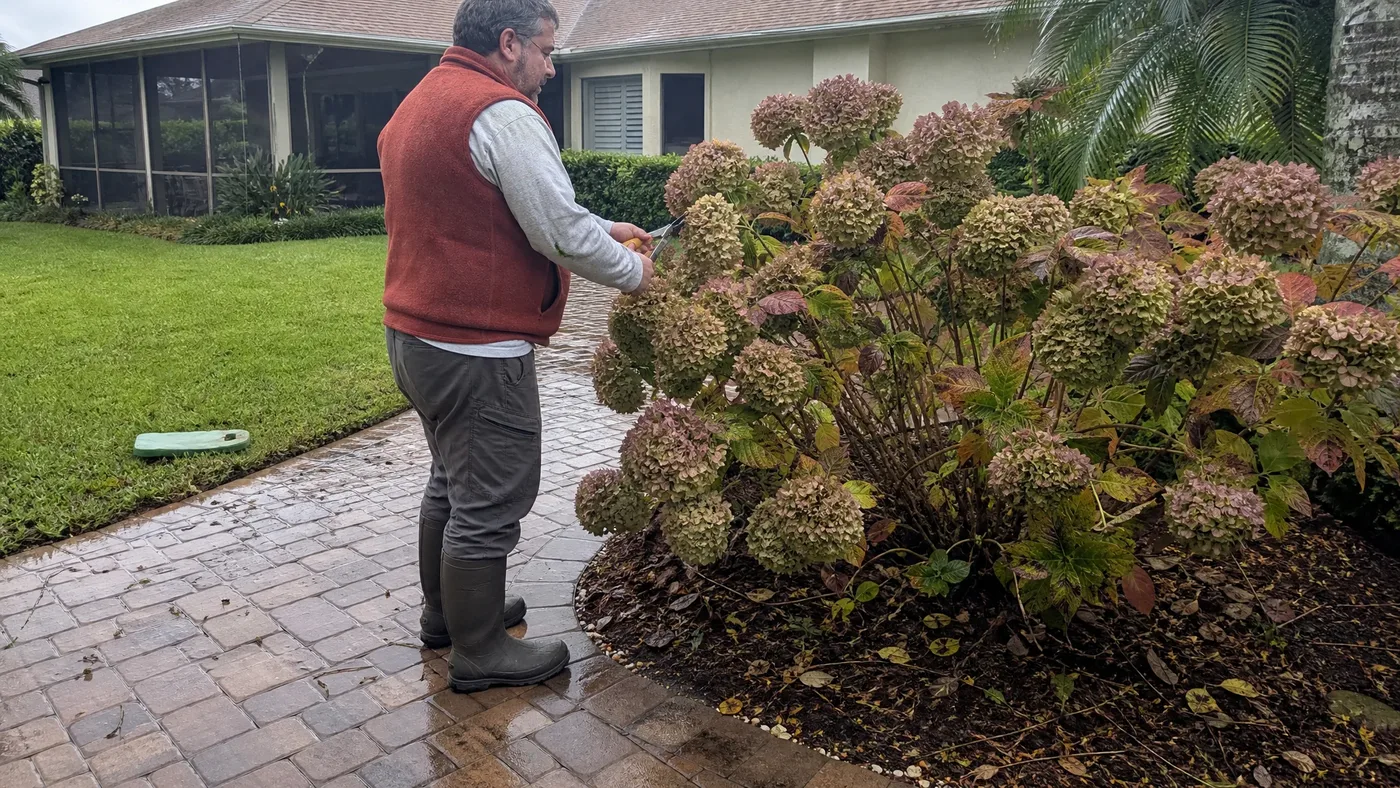
How to Cut and Dry Big Daddy Hydrangea Flowers
Most people expect to cut a hydrangea the moment it looks its best. Big Daddy rewards the opposite. A head cut on its showiest day collapses in the vase, while one left a few weeks longer lasts and dries well.
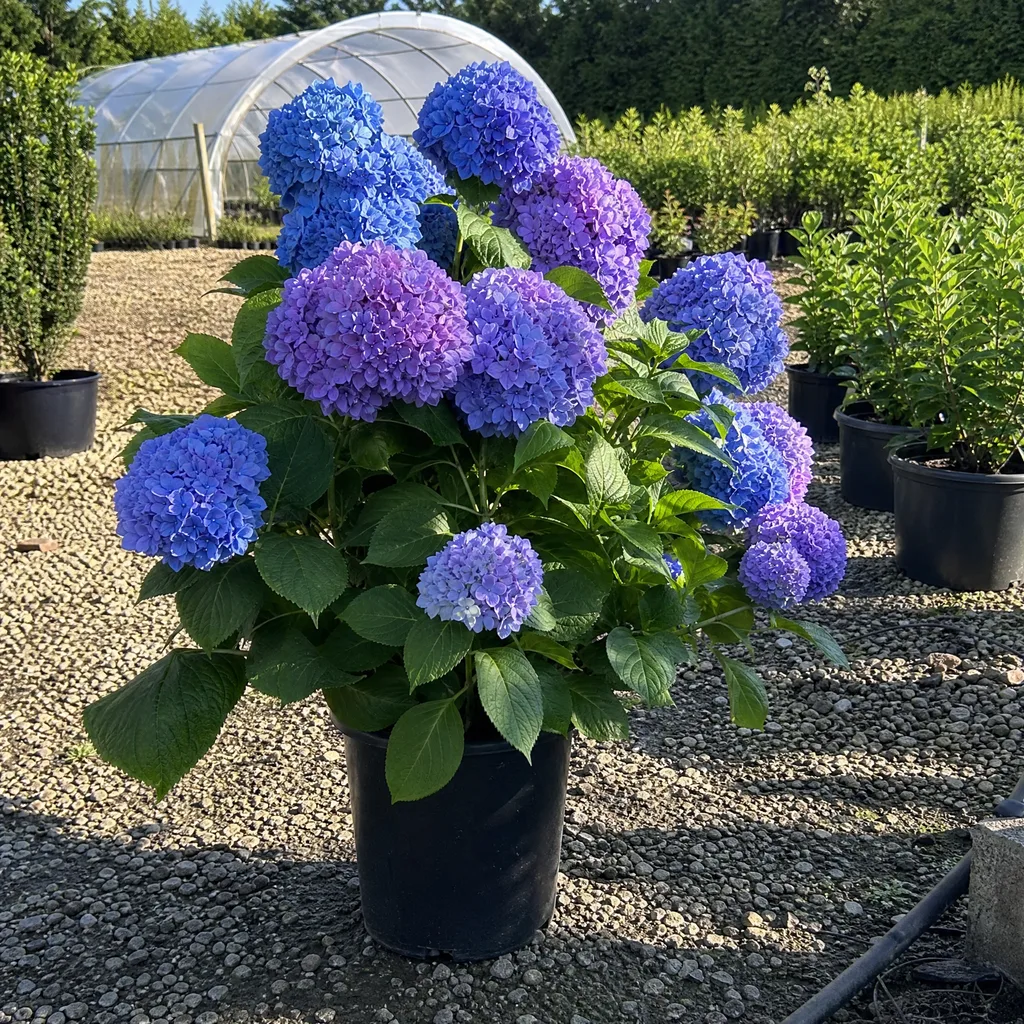
Walk a row in midsummer and every head could be a vase, a dried bundle or a share of next year's buds, but it can only be one of them. The first season we counted what each choice cost, the cheapest mistakes turned out to be the ones made in the first week of cutting. Getting the timing and the count right keeps the vase full and the bush blooming.
Read on for the cutting calendar, how to tell mature heads from young ones, a short conditioning routine, air-drying and glycerin methods, what to expect for vase and dried life, and how many heads each plant can spare.
Plan Your Big Daddy Hydrangea Cutting Calendar
Bloom time sets the whole calendar, so start there and count forward in weeks instead of picking dates off a chart.
Mark the Day the Head Opens Fully
Your first entry in the ledger is the date a head is completely open, not the date it first shows color.
Big Daddy is a mophead, and mopheads flower mostly in June and July. Your own dates will shift with your zone (the species is hardy in zones 6 to 9) and with the weather that year. Write the date on a tag or in a notebook. A calendar built on your own plants beats any date we could print.
Keep a line about the season too: a cool, wet spring, a hot dry July. After two or three summers the notes tell you how far your dates move, and you stop guessing.
Vase Cuts Come First
The vase cut waits for maturity, which is later than most people guess.
Oregon State Extension says to wait at least a few weeks after the bloom is completely open. Put a second date next to the first one, a few weeks on, and cut for the vase then. Cut in the morning, once the dew is off and before the day heats up.
Drying Cuts Come Last
Heads meant for drying should wait longer than heads meant for water.
The same extension source says to wait about six to eight weeks after blooming, until the head has a papery look. That makes a natural order on one plant: vase heads first, drying heads weeks later. Cut the vase stems first and the drying heads keep gaining body on the bush, so one plant can supply both.
A planner's habit helps here. Tie a tag on the heads you intend to dry the day you choose them. It stops you from cutting them early for the vase when the bush looks crowded.
Big Daddy Hydrangea Heads Cut Too Early Wilt Fast
Every early cut teaches the same lesson, and it is cheaper to learn it from a description than from a bucket of limp heads.
We often see customers cut on the first fully open day, because that is when the head looks best on the bush, and lose it by evening. Young heads hold their water poorly. Oregon State puts it plainly: the older the bloom, the longer it will last.
Signs of a Mature Head
Use your hands as much as your eyes, because color alone can mislead you.
A mature head feels firmer and slightly thicker than a young one, and the petal-like sepals lose their silky softness. The color has settled and often deepened or taken on green or antique tones. If you are unsure what color to expect, our guide to Big Daddy bloom color explains how soil pH drives it.
Signs a Head Is Still Too Young
A few quick checks will save you a cut.
- The sepals feel soft and thin, almost like fresh tissue.
- The color is vivid and uniform, with none of the settling or green tint of an older head.
- The head droops on its stem when you lift it gently in your palm.
If a head fails these checks, leave it and look again in a week. Waiting costs you nothing, and the bush keeps the flower.
Rescuing a Head You Cut Too Soon
It happens to everyone once, and a fast response sometimes saves the stem.
Get the stem into cool water right away, recut the end and keep the head out of sun and drafts. Some heads perk up and some do not. Either way, write the date and the head's age in your ledger so the next cut waits longer.
What Stem Conditioning Is Worth in Vase Hours
Conditioning takes a few minutes per stem, and the return is measured in how many more hours the head stands up in the vase.
There are three main options: soak the cut in cold water, seal the stem end with florist alum gel, or put the stem in boiling water. Remove all the leaves too, because leaves draw moisture away from the stem. We turn that into a short routine.
The Routine
Work in this order and keep each stem out of water for as little time as you can.
- Carry a bucket of cool water to the bush and drop each stem in as you cut it.
- Strip every leaf from the stem, even the small ones near the head.
- Recut the stem end at an angle with clean shears.
- Treat the end with alum gel, or dip it in boiling water, keeping your hand and face clear of the steam.
- Soak the whole stem and head in cold water, then arrange it in a clean vase.
Test It Yourself
We cannot give you a trustworthy hour count for your garden, because it depends on head age, heat and water.
So run a small trial. Treat one stem fully and give a twin stem nothing but water, then note which one droops first. The treatments cost almost nothing, since boiling water is free and an alum jar lasts many stems. If the twin lasts as long, skip the extras next time.
Change the vase water when it clouds, and keep the arrangement out of direct sun and away from heaters. Warm rooms pull water out of a big head quickly.
Air-Drying Big Daddy Hydrangea Costs Little but Time
Air-drying needs string, a hook and a spare corner. What it really takes is space and patience, and that is where batches fail.
Set Up the Bundle
Mississippi State Extension gives the core method, and it works well for a large mophead.
Cut stems about 12 inches long, strip the leaves, tie a small bundle and hang it upside down in an airy, dim place. Keep bundles small, with a few heads each. Big Daddy's heads are large, and a crowded bundle traps damp air between them.
Where Batches Go Wrong
Nearly every failed batch traces back to the room, not the flower.
In our rows, the bundles that fail are the ones hung in a damp garage or crowded against a wall. Bright windows fade the heads quickly. A closet, an attic or a dry spare room with some air movement does better. Leave space between bundles so each head has room.
Knowing When They Are Done
Drying time depends on your room, so judge by feel instead of by a date.
A finished head feels dry and papery, and the stem snaps cleanly instead of bending. Because you cut at the papery stage, the hang time is shorter than it would be for a soft young head. Once the heads are dry, store them loose in a box or a dry vase, away from damp air.
What to Expect From the Color
Set expectations before you hang the first bundle.
The same Mississippi State source notes that air-dried hydrangeas do not keep their natural pink or blue. Expect softer, muted shades with some tan or green. If you grow Big Daddy for its blue, plan on a different palette once the heads are dry.
Glycerin Keeps Big Daddy Hydrangea Soft at a Price
Glycerin preserving is the high-cost route: you spend money, time and a bit of mess to get a different finish.
When the Extra Effort Pays Off
Use glycerin for a few showpiece stems and air-dry the rest.
Glycerin heads stay softer and more supple than air-dried ones, which can feel brittle and shed petals when handled. That helps in wreaths and in arrangements you will move around. For a plain bundle on a shelf, air-drying does the job for much less.
The Basic Method
We do not give a glycerin ratio or timing here, so follow the directions on the product you buy.
In general, you cut mature heads as you would for drying, strip the leaves, recut the stems and stand them in the glycerin and water mix. The stems take it up over a period of days. Use a tall, stable container, because top-heavy heads tip easily. The mix can be costly across many stems, which is why we keep this to a few.
How the Finish Differs
Do not count on glycerin to hold the blue.
The color usually shifts toward deeper, muted browns and greens. What you gain is a supple feel, not the original color. If color matters most to you, press on with air-drying and accept the muted palette.
How Long Big Daddy Hydrangea Lasts Fresh and Dried
You would expect hard numbers here, but none of our sources give a vase-life figure for this cultivar, and we will not invent one.
What we can say is the order. A fresh-cut head lasts the shortest time, and how long depends on its age at cutting. Air-dried and glycerin heads last far longer, for months indoors if you keep them away from damp and direct sun. This table sets the methods side by side.
| Method | What it costs | Finish | Holds |
|---|---|---|---|
| Fresh in the vase | Minutes of conditioning | Natural color, soft sepals | Shortest, rises with head age |
| Air-dried | String and drying space | Muted, papery, loses pink or blue | Months indoors |
| Glycerin | Product, containers, days of time | Supple, deeper tones | Months indoors |
To get your own numbers, tag a few stems with the date you cut and the head age, and record the day each one gives up. After one season you will have a ledger that fits your climate, which no general figure can.
Budgeting Blooms Between the Vase and the Bush
Every head you cut is a head the bush does not carry, and the plant's flowering habit decides what that costs next year.
What Cutting Costs the Plant
NC State notes the species blooms during the late spring and summer on the previous year's growth. A long stem cut in summer can take buds you were counting on for next year. Our guide on old wood and new wood goes deeper, and the pruning guide covers the timing after flowering.
A Sensible Cut Rate
No source gives a percentage, so we use a rule of thumb: take a few heads per plant.
Cut fewer from young plants still filling out, and more from mature, full shrubs. Cut on stems you would remove anyway when you prune, and where you can, leave healthy leaves and buds behind. Spreading your cuts across several plants helps too. Your local extension service can confirm timing for your zone. If you also deadhead, count those cuts in the same budget.
Plan the Space Before the Cut
The drying room is the part of the budget people forget.
Count how many small bundles your hanging space holds, and cut no more heads than that. A head with nowhere to hang is a head wasted, and it came off a plant that would have carried it.
A Cutting Plan for Your Big Daddy Hydrangea
The budget rule is simple. Take a few heads from each plant, never all from one, and plan the drying space before the first cut. Wait for mature heads, condition the stems that go in water, hang the bundles somewhere dim and airy, and save glycerin for the few stems that earn it.
Big Daddy Hydrangea
Nursery-grown Big Daddy Hydrangea in sizes from 3 Gallon, shipped to your door.
From $65.85
Shop Now →Customers come back to us for Big Daddy heads big enough to fill a vase in summer and still hold their shape dried in winter. Growing and selling top-quality shrubs on our own farms is how we keep those plants coming.