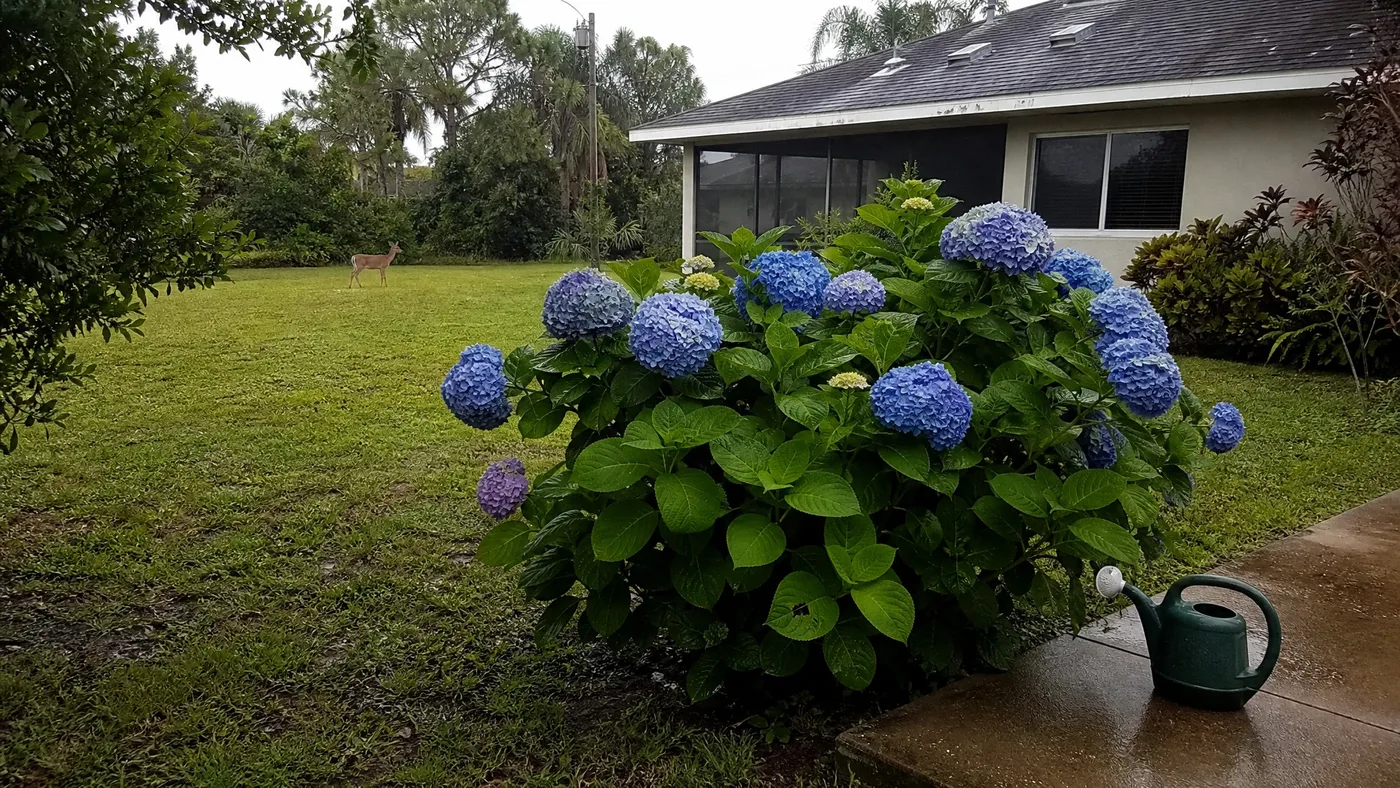
Is Big Daddy Hydrangea Deer and Rabbit Resistant?
Customers ask us whether Big Daddy is deer resistant, and we answer straight away: no. Deer browse the big leaves, the tender shoot tips and the flower buds, and NC State lists the species as susceptible to damage by deer. Rabbits are a different story and mostly leave Big Daddy alone.
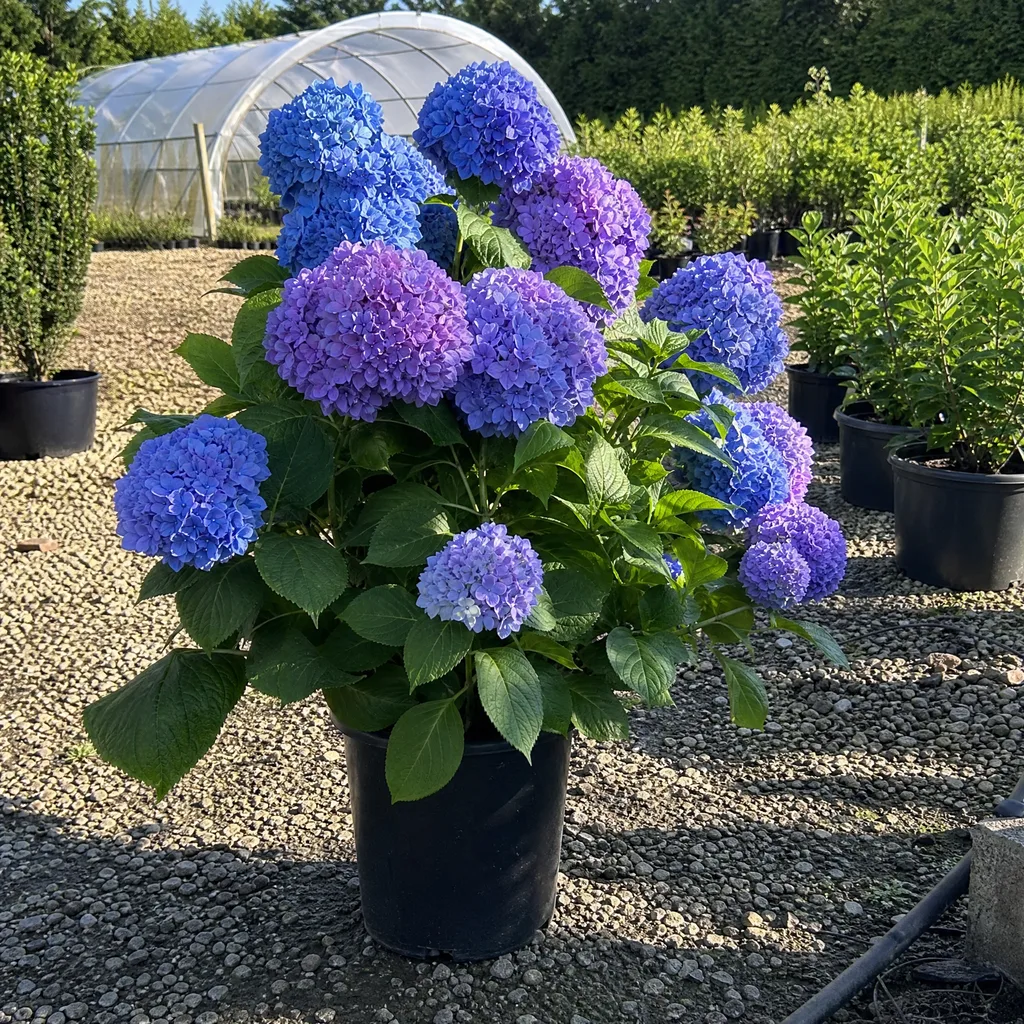
This article talks about deer and rabbit pressure on Big Daddy Hydrangea, season by season, and answers the questions customers ask us most. Read on to learn when browsing peaks, how to fence and cage your shrub, what repellents can and cannot do, and which companion plants help. Done badly, you lose the buds and end up with a shrub that never blooms. Done right, you get the big summer flower clusters and a full, rounded plant.
How Deer and Rabbits Treat Big Daddy Hydrangea
Before you plan any protection, get the basic facts straight. These are the answers we give most often about who eats Big Daddy and who leaves it alone.
Is Big Daddy Hydrangea deer resistant?
No. Big Daddy Hydrangea has low deer resistance and is frequently browsed by deer. The large, glossy foliage and tender new growth are attractive to deer herds, especially in late spring and early summer when the shrub is putting on new leaves and setting flower buds. Even though the plant contains toxic compounds (cyanogenic glycosides), deer learn to tolerate small amounts and will continue to browse year after year if the plant is accessible.
Why do deer browse hydrangeas if they're toxic?
The toxins in hydrangea leaves are present in low enough concentrations that deer can eat small amounts without serious harm. Deer eat many plants that are somewhat toxic to them, managing their intake to avoid poisoning. Once a deer herd discovers that hydrangeas are palatable, they will return repeatedly, treating them as a reliable food source rather than a plant to avoid.
Is Big Daddy Hydrangea rabbit resistant?
Yes, rabbits rarely browse Big Daddy Hydrangea foliage. The coarse leaf texture and the plant's moderate to large size make it unpalatable to rabbits compared to softer, tender perennials. Rabbits may occasionally nibble lower stems during extreme hunger, but this is uncommon and not a significant concern for Big Daddy in most gardens.
Can rabbits kill an established Big Daddy Hydrangea?
No. Rabbits are not a serious threat to established Big Daddy Hydrangea plants. While rabbits may occasionally chew stems near ground level, they typically prefer softer, lower-growing plants. Even heavy rabbit pressure would not kill or severely damage a mature Big Daddy Hydrangea.
Late Winter: Build the Barrier Before Leaf-Out
Start while the shrub is bare and you can see its whole frame. First check whether deer visit your yard, then put up a barrier before the new growth they want appears.
How do I know if my area has high deer pressure?
Look for signs of deer activity on your property and in your neighborhood: hoof prints, browsed shrubs with ragged, torn foliage at browse height, rubbed tree bark, and scat. If your neighbors report deer damage or you see deer regularly at dawn or dusk, your area has active pressure and Big Daddy Hydrangea will need protection.
What is the best way to protect Big Daddy Hydrangea from deer?
A sturdy deer fence (8 feet tall minimum) is the most effective long-term solution for high-pressure areas. If a full fence is not practical, individual plant cages made from sturdy fencing material can protect smaller or newly planted specimens. Fencing works because it physically prevents deer from accessing the foliage, unlike repellents, which become less effective over time as deer habituate to them.
How tall should a deer fence be for Big Daddy Hydrangea?
A deer fence should be at least 8 feet tall to prevent deer from jumping over it. Deer are remarkably athletic jumpers, and standard 6-foot residential fences offer only partial protection. The fence should have no gaps at ground level, as some deer will press under loose fencing if it offers an opening.
What we tell customers is to fence first. We don't follow the common advice to spray a repellent and call it done. Deer get used to sprays within weeks, and Big Daddy's flower buds are too valuable to gamble on.
Spring: Guard New Growth and Young Plants
Spring is when deer find Big Daddy. Watch the shrub closely from May through June, and give young plants extra cover.
What time of year is deer pressure worst on Big Daddy Hydrangea?
Deer pressure is typically highest in late spring (May and June) when the shrub is actively growing new foliage and setting flower buds. Fall and winter can also see heavy browsing as natural food sources decline. Summer browsing is usually lighter unless drought reduces other available vegetation.
Will deer eat my Big Daddy Hydrangea?
Yes, if your area has active deer pressure and your Big Daddy is unprotected. Deer typically target the tender growth at the branch tips, new leaves, and flower buds. In severe cases, heavy browsing can reduce the shrub's shape, remove most of the emerging buds, and result in few or no flowers that season. Young plants in the first year or two are especially vulnerable because they have less woody structure to recover from damage.
One of the most common questions we get is whether a bit of nibbling really matters. It does in spring, because Big Daddy carries its buds on the stems it grew last year, and every bud a deer takes is a flower cluster you lose.
Are young Big Daddy plants more vulnerable to deer?
Yes. In the first 12 to 18 months after planting, Big Daddy Hydrangea has limited woody structure and fewer branches to distribute browsing damage. A single browsing event on a young plant can remove a large percentage of the foliage and significantly set back growth. Once the shrub reaches 3 to 4 feet in height and has a woody base, it can better absorb occasional browsing.
Does the size of the Big Daddy plant affect how much deer browse it?
Yes. Big Daddy Hydrangea reaches a mature height and width of 5 to 6 feet, which positions much of the plant within easy reach of deer at their eye level. Larger, more established plants can better tolerate browsing damage compared to younger plants with less woody structure, which can be severely set back or even killed by heavy deer pressure.
Can I establish Big Daddy Hydrangea in a high-deer-pressure zone?
It is challenging but possible. The first 12 to 18 months are critical, when growth is slowest and the plant is most vulnerable. Protect newly planted Big Daddy with individual plant cages or fencing during establishment. Once the shrub reaches 3 to 4 feet in height and has a woody base (typically 2 to 3 years after planting), it can better tolerate occasional browsing. For detailed planting guidance in wildlife-active areas, consult our planting guide.
Summer: Protect the Blooms and Help Browsed Stems Recover
Big Daddy flowers mostly in June and July. Keep your barrier tight through those weeks, and know what to do if deer get in anyway.
How much damage can deer do to Big Daddy Hydrangea?
Deer damage ranges from light browsing (a few branch tips nibbled) to severe defoliation, where most or all of the new growth is removed. In extreme cases, a heavy deer herd can strip a Big Daddy Hydrangea back to woody stems in a single night. Even moderate browsing removes flower buds and new growth, which delays blooming and reduces the size and number of flower clusters that season.
In our rows, the outer branch tips get nibbled first, so walk the shrub once a week and check them.
Do deer repellents work on Big Daddy Hydrangea?
Deer repellents can reduce browsing in the short term, but their effectiveness typically declines as deer herds become accustomed to the taste, smell, or texture over weeks or months. Common repellents include capsaicin-based sprays, soap-based products, and predator urine formulations. Rotating between different repellent types can extend effectiveness, but none are as reliable as physical barriers like fencing.
Should I prune browsed branches, or leave them to recover?
Leave the damaged branches in place to recover naturally. Big Daddy Hydrangea will regrow foliage along the browsed stems, and premature pruning removes additional buds and delays recovery. If branches are broken or hanging, you can carefully trim them, but wait until new growth emerges before doing any major pruning. Since Big Daddy blooms on old wood, prune only immediately after flowering each season, as described in our complete growing guide.
Fall and Winter: Choose Companions, Containers and a Long-Term Plan
Once the blooms fade, deer turn to whatever food is left, so use the quiet months to plan next year's defenses. Decide on your neighbors, a container or a swap, and whether Big Daddy is worth the effort in your yard. If you garden in zone 6, read our winter care guide as well.
What deer-resistant shrubs work well alongside Big Daddy Hydrangea?
To create a border that deer will avoid, combine Big Daddy with less palatable companion plants such as ferns, astilbe, and heuchera. Hostas and azaleas are frequently browsed by deer, so we don't recommend relying on them. These plants thrive in the same part-shade conditions that Big Daddy prefers and provide textural variety while offering more reliable protection in high-deer-pressure areas. This mixed approach gives you Big Daddy's spectacular flowers while hedging your bets with harder-to-browse neighbors.
Can a mixed border of deer-resistant plants protect Big Daddy Hydrangea?
Partially. Deer will avoid very dense plantings of truly deer-resistant plants, but they will browse Big Daddy Hydrangea even in a mixed border if the shrub grows large enough to reach above the surrounding plants. Your best strategy is to fence the entire border or use protective barriers specifically for the Big Daddy rather than relying on companion plants to deter deer from it.
Are other hydrangea types more deer resistant than Big Daddy?
No. All Hydrangea species and cultivars, including bigleaf types like Big Daddy (Hydrangea macrophylla), panicle types (Hydrangea paniculata), and oakleaf types (Hydrangea quercifolia), have low deer resistance. Deer will browse any hydrangea species if it is accessible. If you want a hydrangea and you live in a high-deer-pressure area, protection strategies are equally necessary regardless of which hydrangea type you choose.
Can I plant Big Daddy Hydrangea in a container to avoid deer?
Yes. Big Daddy Hydrangea is suitable for large containers (20 gallons or larger), which keeps the foliage elevated and accessible only by standing deer. However, container-grown plants are less winter-hardy than in-ground specimens and require daily watering during the growing season to keep the soil consistently moist. Containers work best in USDA zones 7 to 9 for reliable winter survival.
If deer pressure is high, should I choose a different shrub?
If your area has severe year-round deer pressure and you do not want to fence, consider substituting Big Daddy Hydrangea with a truly deer-resistant shrub such as boxwood, Japanese pieris, or serviceberry. These alternatives require less protection and less vigilance. However, if you are committed to Big Daddy's large flower clusters and are willing to invest in fencing or repellent management, it is absolutely worth planting.
Is it worth planting Big Daddy Hydrangea if I see deer regularly?
Yes, if you are willing to fence or use consistent repellent management. Big Daddy Hydrangea is a spectacular flowering shrub that can reach up to 5 to 6 feet tall and wide, with large, colorful flower clusters (see how big it gets at maturity).
The investment in protection (fencing, repellents, or cages) pays off if the shrub's appearance and seasonal blooms matter to your garden design. However, if minimal maintenance is your priority, a deer-resistant alternative is more practical.
Quick Reference: Deer and Rabbit Resistance at a Glance
The table below sums up the main threats and the best response to each. Big Daddy is rated hardy in zones 6 to 9, so zone 6 growers need to plan for winter and deer together.
| Threat | Resistance Level | Action Required | Best Protection |
|---|---|---|---|
| Deer Browsing | Low (frequently browsed) | Yes, in active deer areas | 8-foot fence or plant cages |
| Rabbit Damage | High (rarely browsed) | No | Not typically needed |
| Peak Browsing Season | Late spring (May-June) | Monitor closely during peak season | Repellents or fence inspection |
| Vulnerable Plant Age | Young plants (Year 1-2) | Yes, extra protection needed | Individual plant cage or barrier |
| Mature Size | 3-6 ft tall and wide (up to 5-6 ft) | Plan fence placement accordingly | Full 8-foot fence perimeter |
| Hardiness Zones | USDA zones 6-9 | Zone 6 needs winter + deer protection | Fence + winter mulch in zone 6 |
Keeping Big Daddy Full Through Every Season
Big Daddy is not deer resistant, but it is easy to protect. Put up an 8-foot fence or cages before leaf-out, guard young plants hardest, and use repellents only as a backup. Rabbits are rarely a concern, and companion plants alone will not shield a shrub that grows tall enough to stand above them.
Big Daddy Hydrangea
Nursery-grown Big Daddy Hydrangea in sizes from 3 Gallon, shipped to your door.
From $65.85
Shop Now →Our growers watch the fence lines at dusk in spring, count how many flower buds survive to bloom time, and note which shrubs the deer visit first. We are a small business with our own farms, and we grow and sell top-quality shrubs, Big Daddy among them.