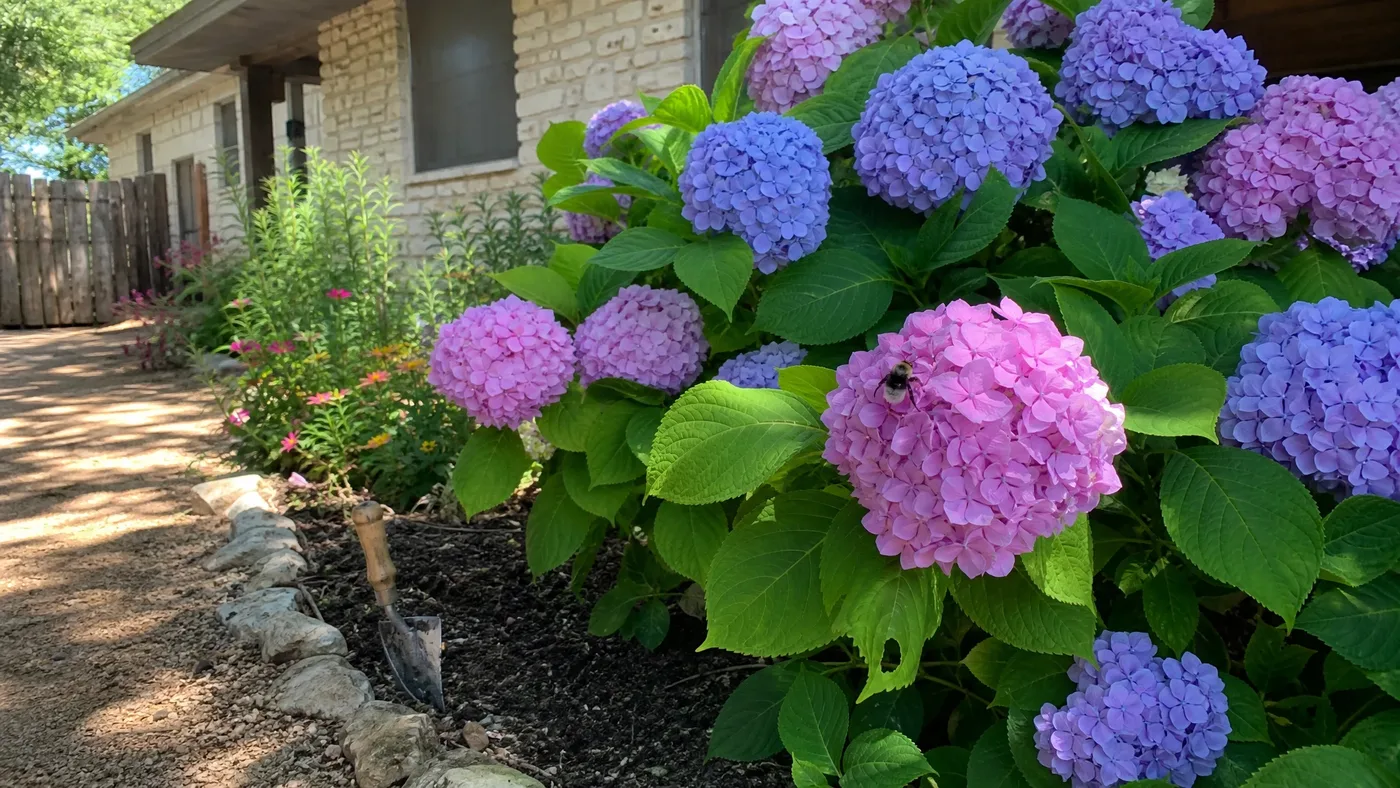
Do Bees Visit Big Daddy Hydrangea? Pollinator Value
You are standing beside your Big Daddy on a warm July morning, and the whole bush seems to hum. For years we assumed that buzzing meant the mopheads were busy. Then we sat down with a notebook and counted, and the busiest plants were the ones nearby, not the hydrangea.
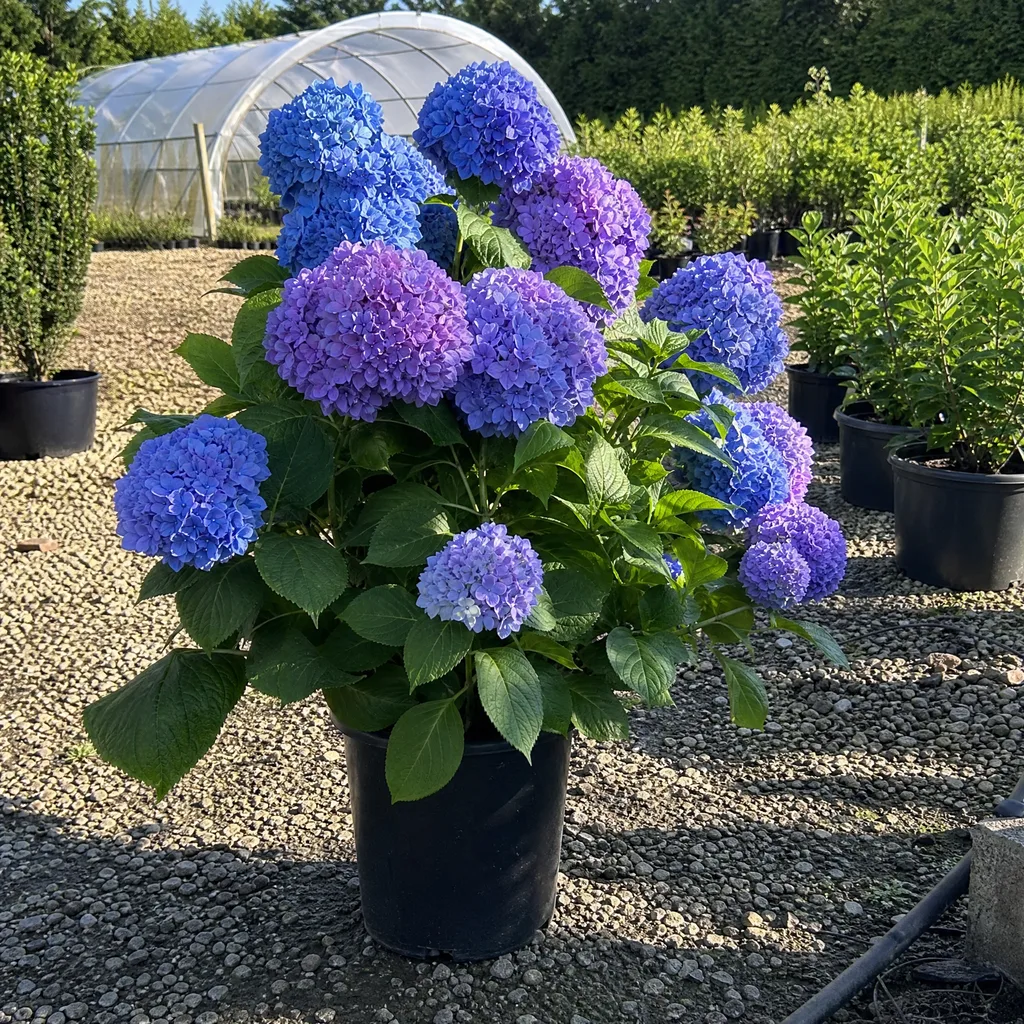
That gap between how a mophead looks and what it gives back is the real answer to the question in the title. A big, bright head reads as a feast, but the flower parts that make a feast are mostly missing.
We'll walk you through what actually lands on the heads, why the florets offer so little and which visitors still show up, then on to the neighbors, bloom timing and care that make a bed worth a bee's trip.
What Visitors Big Daddy Hydrangea Draws in Our Rows
Before any advice, here is the baseline we built from watching the heads over several summers. We keep it plain on purpose, because it is easy to see what you hope to see.
What We Saw on the Heads
This is the pattern we noted season after season once the heads were fully open.
We watched at the same hours on warm, dry mornings, when insects are most active. The heads drew occasional, brief visits. An insect would land, wander a little over the florets and leave. We rarely saw the steady work-and-return traffic you get on a plant with real nectar. The humming we had credited to the hydrangea usually came from flowering plants a few steps away or overhead.
The Baseline We Now Use
Here is how that watching turned into a working rule.
Our advice is to treat Big Daddy as a plant that attracts a look, not a plant that feeds a crowd. If you plant it hoping to support bees, you will be disappointed. If you plant it for its huge heads and add real food nearby, you get both. That split is the plan for the rest of this guide.
It also answers the searches that bring most people here. Do mophead hydrangeas attract bees? Rarely and briefly. Is Hydrangea macrophylla good for pollinators? Its mophead forms are not, and the next section explains why.
Sterile Florets Mean Little Nectar
The reason is structural, and it is easier to accept once you know the terms. A floret is one small individual flower, and a hydrangea head is a cluster of them.
Showy Without a Reward
A sterile floret is one that cannot set seed. In hydrangeas it is the big, petal-like part you admire. A fertile floret is the small one that carries pollen and the reproductive parts.
Big Daddy is a mophead, a dome packed with the showy sterile kind. The Rutgers fact sheet says mophead flowers, although far showier, provide little benefit to our pollinators because of the lack of fertile florets. North Carolina Extension adds that many mopheads have no nectar or pollen, which is what pollinating insects are looking for.
Why Bigger Heads Do Not Mean More Food
It helps to follow the cause to its effect. The showy florets exist to advertise, and the more of them a head carries, the louder the advertisement.
A cultivar prized for large heads has pushed that display further, so Big Daddy broadcasts more than most. The reward behind the signal does not grow with it, because the extra size is more of the same sterile florets. We have not tested nectar ourselves, so we rely on the extension sources here, and they agree with what we saw.
Where Lacecaps Differ
A lacecap is the other common hydrangea flower form, and it is the useful comparison.
Lacecaps carry a flat disc of small fertile florets ringed by showy sterile ones. The same North Carolina source says that presentation makes lacecaps better pollinator-supporting plants than the mopheads. Our guide on how to tell a mophead from a lacecap shows what to look for if you want to confirm which form you have.
Why Big Daddy Hydrangea Still Gets an Occasional Visit
If the reward is so thin, why does anything land at all? There are a few honest explanations, and each points to a planting decision.
The Advertisement Works
The first reason is the display itself.
The Rutgers fact sheet says the mission of sterile florets is to attract pollinators. A passing insect can be drawn in by the color and the sheer size of the dome. It finds little, but it still came. That is the plant doing exactly what the sterile florets evolved to do, with nothing behind the sign.
Mostly Sterile Is Not Entirely Sterile
The second reason is a matter of uncertainty, and we want to be careful with it.
The sources describe mopheads as lacking fertile florets and many as lacking nectar and pollen. That wording leaves room for exceptions. We cannot promise that your plant has none, and a few small fertile flowers tucked into a head may account for some of the visits we logged. We would not build a planting around that possibility.
A Landing Pad in the Shade
The third reason is plain convenience.
A broad head in part shade is a place to rest, and a tired insect may sit on it between feeding stops. That kind of visit looks like pollinator activity on a quick glance and means nothing for food.
The implication is the useful part. A hydrangea can pull insects into a bed, so put real food in sight of it. Treat the shrub as the signpost and the neighbors as the meal, and the visits it earns have somewhere to go.
Neighbors That Out-Feed Big Daddy Hydrangea
These are the plants that drew steady traffic when we grew them beside the mopheads. Start with light. The species does best in part shade, and it also needs protection from afternoon sun, so neighbors must share that exposure or sit just outside it.
Perennials for the Sunnier Edge
Plants that need full sun belong on the side of the bed away from the hydrangea's shade.
Coneflower, bee balm, anise hyssop and catmint all offer open, accessible flowers, and we saw the most consistent insect traffic on them. Set them where they get long light, in front of or beside the shrub, and let the mophead rise behind them. Our landscape design ideas show layouts that do this without crowding the roots.
Shade-Tolerant Feeders and Shrubs
Beneath and beside the shrub the light is dimmer, so choose plants that bloom there.
Hellebore, columbine and wild geranium flower in light shade and give early food. For a second shrub, a smooth hydrangea is worth a look. Rutgers describes the sterile florets of smooth hydrangea as the attractors, which implies fertile florets are there to reward the visitors. Compare the groups in our guide to smooth, panicle and oakleaf types. Your local extension service can tell you which native flowers suit your region.
We grow and sell Big Daddy ourselves, and it settles into a mixed border like this without fuss, so there is no need to give up the big heads to feed the bees.
Bloom Timing Gaps We Filled
A bed that feeds insects needs flowers across the season, and Big Daddy covers only a slice of it. Virginia Tech says the species flowers mostly in June and July. Even in those weeks the heads offer little, so the practical gaps are everything before and after.
The Weeks Before the Heads Open
In spring the shrub is leafing out and nothing is showing yet.
That is the first quiet stretch, and early bloomers cover it well. Hellebore, spring bulbs and woodland wildflowers feed the first insects of the year, and they sit comfortably under a hydrangea that has not fully leafed out. They also finish before the mophead needs the space.
The Long Quiet After July
This is the gap we noticed most. The stretch after the heads faded was always the emptiest part of the bed.
The faded heads still look good for weeks, which hides how little they offer. Plan for it, and prune right after flowering, since the plant flowers on old wood and a late cut removes next year's buds. Our guide on when to prune covers the details, but the point here is that the pruning window falls in the same weeks you want other flowers open nearby.
The table shows what we plant to carry each stretch.
| Gap | What closed it | Where we place it |
|---|---|---|
| Early spring, before leaf-out | Hellebore and spring bulbs | Under and beside the shrub |
| Early summer, as heads open | Catmint and columbine | Front edge and gaps in the bed |
| Midsummer, heads fading | Coneflower, bee balm, anise hyssop | Sunny side of the bed |
| Late summer into fall | Asters and goldenrod | Back and sunny side of the bed |
Soil, Water and Flower Output Over the Years
We should be careful about uncertainty here. Plant health clearly affects how many heads you get, but none of our sources says soil chemistry changes what a floret contains. So we separate what soil does from what it does not.
What Soil pH Changes
Soil pH is the measure of acidity, and in hydrangeas it controls color. Virginia Tech puts blue flowers at about pH 5.0 to 5.5, and UMass says between pH 5.5 and 6.5 the flowers will be purple or a mix of blue and pink. That is a color effect, and we saw no change in visits from one color to another.
Do not adjust your soil in the hope of more visitors. Our guide to the best soil for Big Daddy covers amending for plant health, which is a different goal.
What Moisture Changes
Moisture matters because of when the plant sets its heads. The species blooms on the previous year's growth, so a stressed summer can reduce the following June's display.
A drought-stressed shrub wilts, scorches and carries fewer heads, which means a smaller landmark for insects to find. Steady moisture and a layer of mulch keep the display full. Our watering guide sets out how to keep it even.
Health Helps the Bed, Not the Florets
The honest link between health and visits runs through the whole planting.
A healthy Big Daddy gives a bigger, longer display, and a bigger display draws more passing insects toward the bed. Those insects still feed on the neighbors. Good soil and water make the signpost better, and they cannot turn sterile florets into nectar sources.
Honest Expectations for Big Daddy Hydrangea and Pollinators
Realistic pollinator value for Big Daddy is small. Expect occasional, brief visits to the heads, and do not count the plant as a food source. Enjoy the display, then build the feeding elsewhere in the bed with flowers in every stretch of the season, and judge the result by what lands on the neighbors, not on the hydrangea.
Big Daddy Hydrangea
Nursery-grown Big Daddy Hydrangea in sizes from 3 Gallon, shipped to your door.
From $65.85
Shop Now →Big Daddy is a showpiece, so let the companions do the feeding. As a small grower with our own farms, we grow and sell top-quality hydrangeas and care about getting this right, because we would rather you plant a bed that works than one that only looks like it should.