Is Big Daddy Hydrangea Toxic to Dogs, Cats or Horses?
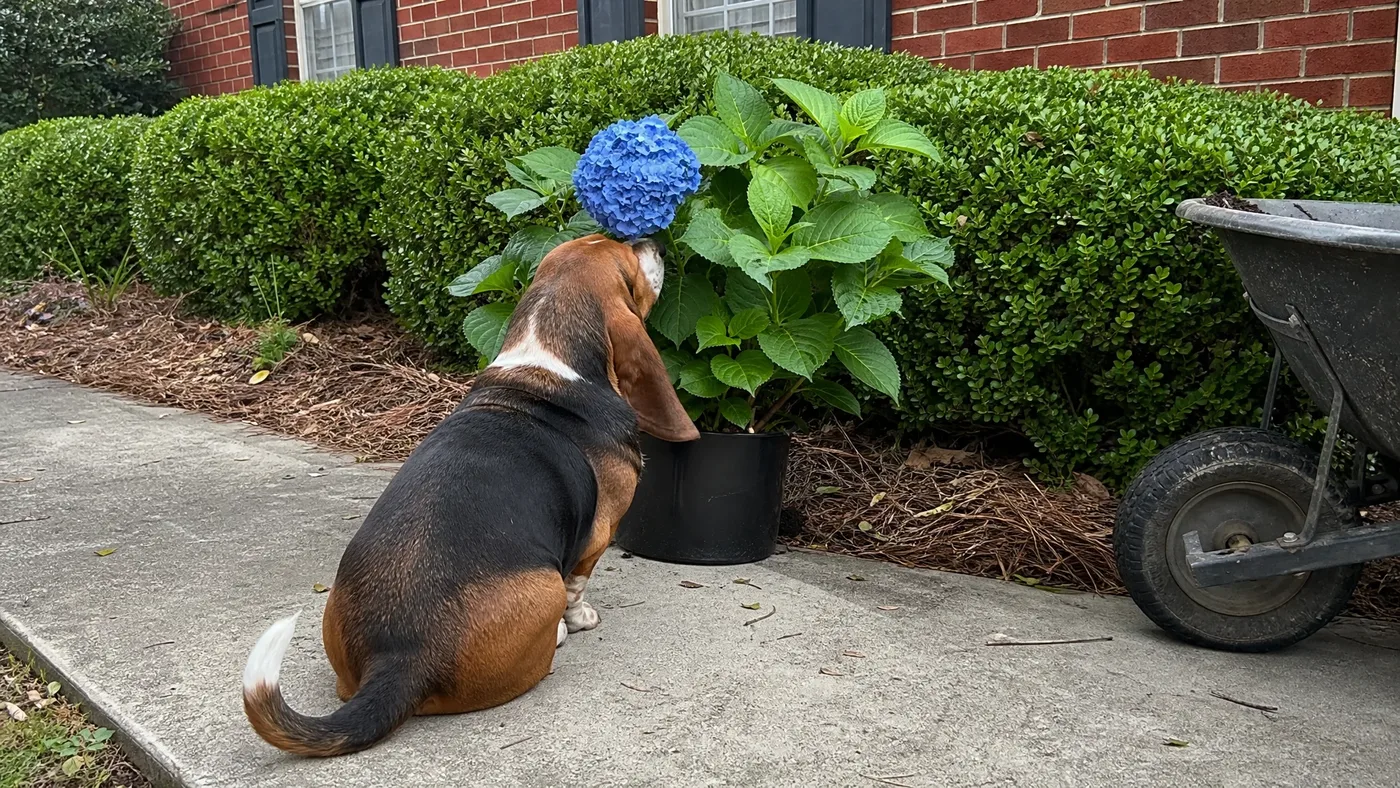
It's a warm June morning, and the Big Daddy you ordered has just come off the truck with its first mophead already open. Your dog is sniffing the pot before you've set it down.
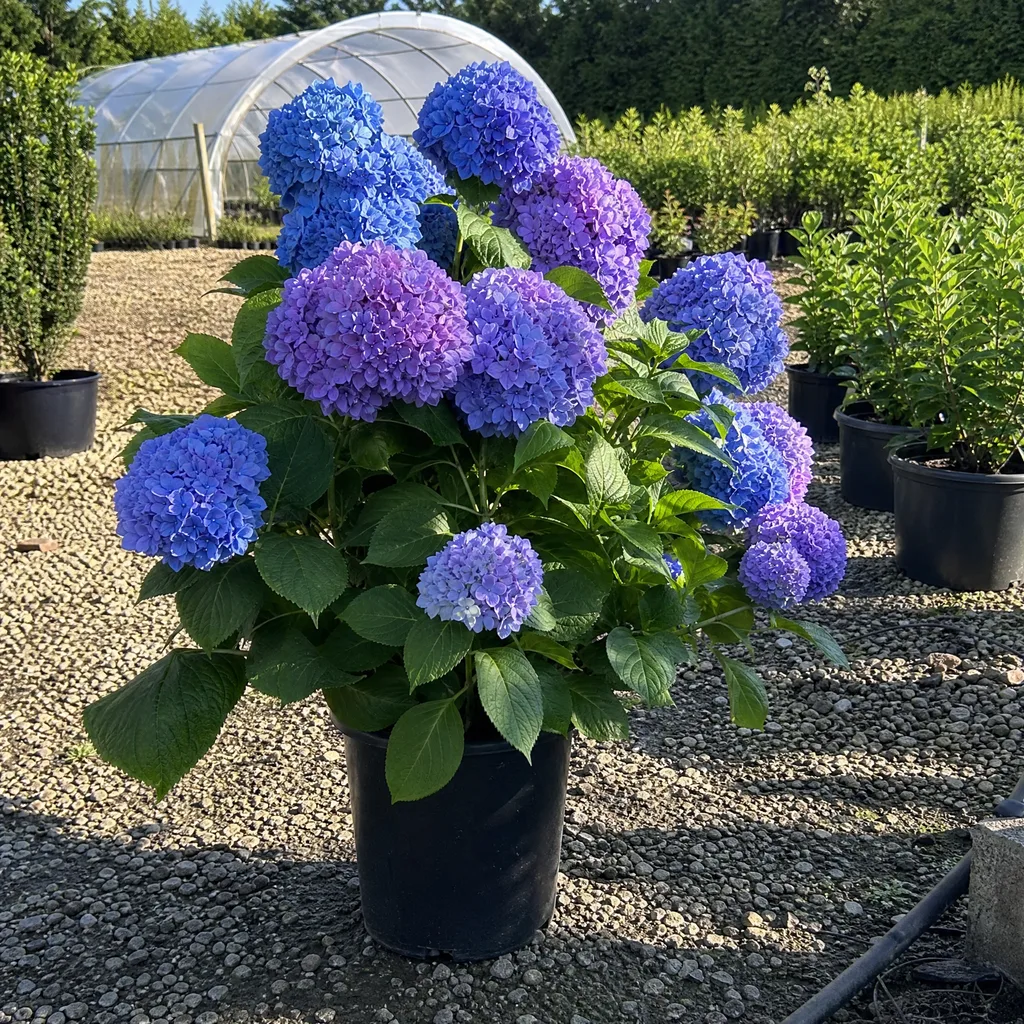
Big Daddy Hydrangea (Hydrangea macrophylla 'Big Daddy') is mildly toxic to dogs, cats and horses. The most common mistake we see is treating "mild" as "harmless." Below, you'll find out all about how toxic Big Daddy is, including which parts are risky, what poisoning looks like in each animal, where to plant it, and what to do in the first hour if a pet takes a bite.
Get this right and you keep those huge flower heads without a single vet bill. Get it wrong and a bored puppy or a curious horse turns your best shrub into an emergency call.
Big Daddy Hydrangea Toxicity: The Mistake We See Most
The mistake we hear about most is "it's only mildly toxic, so I'll plant it by the dog run and see what happens." We don't follow that advice. Mild still means a sick animal, so start by understanding what you are dealing with. One of the most common questions we get is whether a single flower can hurt, and the answers below cover that.
Is Big Daddy Hydrangea really toxic to pets?
Yes, Big Daddy Hydrangea is toxic to dogs, cats, and horses if ingested. The plant contains cyanogenic glycosides, compounds that can cause harmful effects when consumed by animals. Toxicity is generally mild to moderate, depending on the amount ingested and the animal's size.
What parts of Big Daddy Hydrangea are toxic?
All parts of the Big Daddy Hydrangea plant contain toxic compounds, including the leaves, stems, flowers, and buds. The roots also contain cyanogenic glycosides, though they are less likely to be encountered during normal gardening. No part of the plant is safe for pets to eat, though flowers and buds are typically the most attractive to curious animals.
How much Big Daddy Hydrangea does a pet need to eat to get sick?
Toxicity typically occurs when an animal consumes a significant quantity of the plant, not just a single bite or small taste. A few leaves or flowers rarely cause serious problems, but continued or larger amounts can trigger symptoms. The amount varies based on the animal's weight, age, and overall health.
Why is Big Daddy Hydrangea so easy to underestimate?
Big Daddy grows rapidly into a rounded shrub that reaches 3 to 6 feet tall and wide, so its big mophead flowers hang right at nose height for a dog and within reach of a grazing horse. Flowers are mostly produced in June and July, and after a summer rain we often see fallen florets scattered across the lawn, right where pets walk. Those same blooms still draw some pollinators despite offering little nectar.
Can humans get sick from Big Daddy Hydrangea?
Big Daddy Hydrangea is mildly toxic to people if consumed in quantity, though human poisoning is extremely rare. Accidental ingestion of a small amount by a child typically causes mild gastrointestinal upset at most. The plant is not considered a serious threat to human health in typical gardening scenarios.
Where to Plant Big Daddy Hydrangea Around Pets
Placement protects your animals better than any treatment after the fact. Work through these steps before the plant goes in the ground.
How can I keep my pets safe from Big Daddy Hydrangea?
The most effective strategy is to fence off the plant or place it in an area that pets cannot access. If you have a large dog or multiple pets, consider planting Big Daddy Hydrangea in a fenced bed or patio container away from roaming areas. Regular monitoring of your yard helps identify any fallen flowers or leaves that might be consumed.
Can I keep Big Daddy Hydrangea indoors if I have pets?
We don't recommend it. Big Daddy is a landscape shrub that is hardy in zones 6 to 9, and it does best outdoors. If you want it near the patio, set it in a heavy container on a raised surface and read our guide to growing Big Daddy in containers and pots first.
Should I remove Big Daddy Hydrangea from my yard if I have pets?
Not necessarily, though it requires planning and pet management. Many pet owners successfully grow hydrangeas by using fencing, raised beds, or strategic placement away from pet areas. Your decision depends on your pets' behavior, your yard size, and your commitment to prevention measures.
What should pet owners consider before planting Big Daddy Hydrangea?
Consider your pets' size, age, behavior, and whether they spend time in the area where you plan to plant. Puppies and kittens are at higher risk due to their exploratory nature. If you have a dog with a history of eating plants, choose a safer location or consider an alternative plant.
Dogs, Cats and Horses: How Each Animal Meets Big Daddy
Each animal gets into trouble with this shrub in a different way. Here is what we tell customers about dogs, then cats, then horses.
Is Big Daddy Hydrangea toxic to dogs?
Yes, Big Daddy Hydrangea is toxic to dogs if ingested. Dogs are curious animals and may chew on leaves, flowers, or stems, especially young dogs or those with pica. Even a small amount can cause gastrointestinal distress in some dogs.
Can a single flower from Big Daddy Hydrangea hurt my dog?
A single flower is unlikely to cause serious problems, though some dogs may experience mild gastrointestinal upset. The risk increases with the amount consumed, so prevention is the best approach. If your dog eats one flower and shows no signs of distress, monitor closely for 12 to 24 hours.
Is Big Daddy Hydrangea more dangerous to small dogs or large dogs?
Smaller dogs face greater risk because the same amount of plant material represents a higher dose relative to their body weight. A 10-pound dog that eats a few leaves may experience more severe symptoms than a 70-pound dog eating the same amount. Size matters significantly in toxicity assessment.
Is Big Daddy Hydrangea toxic to cats?
Yes, Big Daddy Hydrangea is toxic to cats if ingested. Cats are generally more selective eaters than dogs and less likely to chew on plants, but curious cats may still investigate or nibble on flowers and leaves. Even small amounts can upset a cat's stomach.
Do cats commonly eat hydrangea plants?
Cats are less likely than dogs to eat non-food plants, but some cats show interest in chewing on plant leaves or flowers. Indoor cats that go outside or houseplants placed in accessible areas pose a risk. Keeping Big Daddy Hydrangea out of reach is the safest approach for cat owners.
Are some cats more at risk than others?
Kittens, elderly cats, and cats with existing digestive or kidney issues may be at higher risk from hydrangea toxicity. Outdoor or indoor-outdoor cats have more opportunities to encounter the plant. Very young or very old cats may have a harder time recovering from toxic effects.
Is Big Daddy Hydrangea toxic to horses?
Yes, Big Daddy Hydrangea is toxic to horses if ingested. Horses have a natural ability to avoid many toxic plants through taste and smell, but individual horses may still consume it, especially if grazing in areas where the plant is present. Access to the plant should be restricted.
Would a horse eat Big Daddy Hydrangea in a pasture?
Most horses avoid hydrangea plants due to taste and texture preferences, but exceptions exist, particularly with young or curious horses or those in overgrazed pastures with limited forage. If Big Daddy Hydrangea is growing near a horse pasture, fencing it off is the safest precaution. Do not rely solely on the horse's natural ability to avoid the plant.
What symptoms would a horse show if poisoned by hydrangea?
A horse that has ingested hydrangea may show colic signs such as abdominal pain, decreased appetite, or behavioral changes. Lethargy and reduced water intake are also possible signs. These symptoms require immediate veterinary attention, as colic in horses is a serious condition.
Symptoms of Big Daddy Hydrangea Poisoning
Most trouble shows up within a few hours of a nibble, so the first day is when you need to watch closely. These are the signs and timelines we share with customers.
What symptoms appear if a pet eats Big Daddy Hydrangea?
Common signs include vomiting, diarrhea, and abdominal pain or cramping. Some pets also show lethargy, drooling, or loss of appetite. Symptoms typically appear within a few hours of ingestion and resolve within 24 hours with appropriate care.
Are hydrangea poisoning symptoms serious?
Most cases of hydrangea ingestion cause mild to moderate gastrointestinal upset rather than severe poisoning. Serious complications are uncommon unless large quantities are consumed or the animal has existing health conditions. Symptoms are rarely life-threatening but should be taken seriously and evaluated by a veterinarian.
How long do hydrangea poisoning symptoms last?
Symptoms typically resolve within 24 hours with supportive care and without further ingestion. Some pets recover more quickly, while others may show signs for up to 48 hours. Recovery depends on the amount ingested, the pet's overall health, and the promptness of veterinary care.
Can Big Daddy Hydrangea cause neurological symptoms in pets?
Cyanogenic glycosides can potentially affect the nervous system, though neurological signs are uncommon in mild to moderate poisonings. In rare cases of significant ingestion, pets may show weakness, tremors, or difficulty walking. These symptoms warrant immediate veterinary attention.
Does Big Daddy Hydrangea cause lasting organ damage?
Hydrangea toxicity typically does not cause lasting organ damage from mild to moderate ingestion. The plant's compounds primarily affect the gastrointestinal system. Severe cases might stress the liver or kidneys, but permanent damage is rare with proper treatment.
What to Do If Your Pet Eats Big Daddy Hydrangea
Act in this order. Some common advice, like making your pet vomit at home right away, is something we don't follow, and the steps below explain why.
What is the first step if I suspect my pet ate Big Daddy Hydrangea?
Call your veterinarian or a pet poison control center immediately, even if your pet is not yet showing symptoms. Have information ready about when the ingestion occurred, how much plant material was eaten, and your pet's weight. Do not wait for symptoms to develop before seeking advice.
Should I induce vomiting if my pet eats Big Daddy Hydrangea?
Do not induce vomiting without specific instructions from your veterinarian or poison control, as induced vomiting can sometimes cause additional harm. Bring any uneaten plant material you suspect was eaten to your vet's office to help with identification and assessment. Your vet will determine the best course of action based on the amount ingested and your pet's condition.
When should I take my pet to the emergency veterinary clinic?
If your pet is showing symptoms such as repeated vomiting, inability to keep water down, severe abdominal pain, or weakness, seek emergency care immediately. Do not delay if ingestion occurred within the last 2 to 3 hours, as the vet may recommend treatment to reduce absorption. If your pet is alert and symptom-free several hours after ingestion, a regular vet visit may suffice.
Quick Reference: Pet Safety Checklist
The table below sums up the risk and the best prevention for each animal, and the two checklists after it cover the first hour and the long term.
| Pet Type | Toxicity Level | Primary Risk | Key Prevention |
|---|---|---|---|
| Dogs | Mild to Moderate | Chewing leaves and flowers | Fencing or raised beds, and supervise outdoor time |
| Cats | Mild to Moderate | Nibbling foliage or flowers | Keep it in a high container or fenced bed, and restrict outdoor access |
| Horses | Mild to Moderate | Grazing if plant is accessible | Pasture fencing, and remove plant from paddocks |
Immediate Action Plan for Suspected Ingestion
Print this list and keep it near your vet's number so you can follow it without thinking.
- Call your vet or pet poison control immediately with pet weight, amount eaten, and time of ingestion
- Do not induce vomiting without veterinary guidance
- Monitor for vomiting, diarrhea, lethargy, or abdominal pain for 24 to 48 hours
- Provide fresh water and monitor drinking and eating habits
- Seek emergency care if symptoms are severe or worsening
- Save any remaining plant material to show your veterinarian
Long-Term Yard Management
These habits keep the risk low season after season. After flowering is finished, prune following our guide to pruning Big Daddy correctly, and clear the clippings right away.
- Plant Big Daddy Hydrangea in a fenced or enclosed area separate from pet zones
- Use raised beds or containers placed on stable, elevated surfaces
- Remove fallen flowers and pruned branches promptly
- Supervise pets in areas where Big Daddy Hydrangea is planted
- Provide pets with safe, pet-friendly plants and play areas as alternatives
- Educate family members and visitors about the toxicity risk
For more information about growing and caring for Big Daddy Hydrangea safely, see our complete growing guide.
Enjoying Big Daddy Safely With Your Pets
Big Daddy is mildly toxic, not dangerous when you plan for it. Fence it or raise it, watch for fallen flowers, know the signs of an upset stomach, and call your vet early instead of waiting.
Big Daddy Hydrangea
Nursery-grown Big Daddy Hydrangea in sizes from 3 Gallon, shipped to your door.
From $65.85
Shop Now →On our farms, we grow Big Daddy in part shade with protection from hot afternoon sun, in rich, acidic, evenly moist soil, and that care is how we produce the top-quality hydrangeas we sell. We grow our own plants from start to finish, so we're happy to help you choose a safe spot for yours.